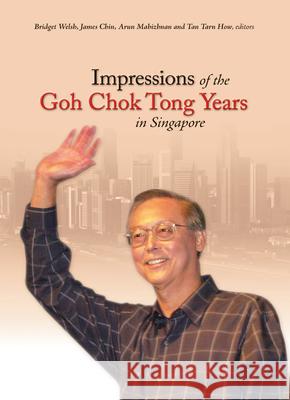
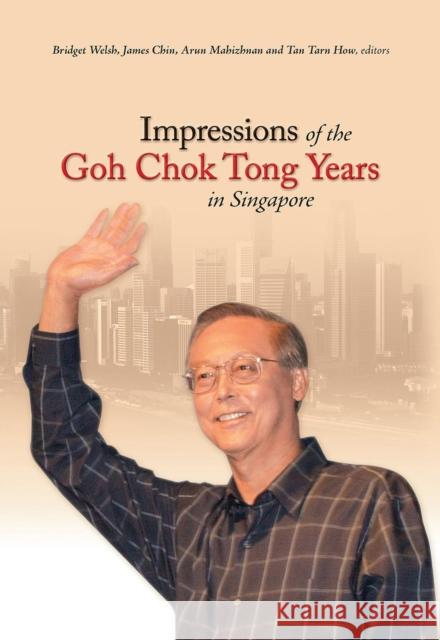
These essays examine a wide range of subjects, including domestic politics, foreign policy, economic development, society, culture, and the arts and media during the Goh period, and assess the legacy of the man and his administration.
These essays examine a wide range of subjects, including domestic politics, foreign policy, economic development, society, culture, and the arts and m...
Singapore experienced substantial changes during the 14-year tenure of the country's second Prime Minister, Goh Chok Tong (1990-2004). Coming after a long period of growth and stability, the period brought to office a new generation of political leaders who faced the task of sustaining and building upon the policies of their predecessors. There were social and cultural initiatives and significant challenges to the economy arising from the Asian crisis of 1998 and the SARS outbreak in 2003. This volume examines the changes that took place during the Goh premiership and assesses its legacy. The...
Singapore experienced substantial changes during the 14-year tenure of the country's second Prime Minister, Goh Chok Tong (1990-2004). Coming after a ...
This rich collection of essays explores the dramatic political, economic, and social transformations in Southeast Asia since 1945. Academics and practitioners trace three themes - transformations within Southeast Asian countries, the actors and processes that contributed to these changes, and new dynamics in foreign relations. These diachronic essays examine how engagement among Southeast Asians and between regional and outside actors have affected patterns of democracy, development, and international relations. By looking back to understand the contemporary political and economic landscape...
This rich collection of essays explores the dramatic political, economic, and social transformations in Southeast Asia since 1945. Academics and pract...
Prominent scholars analyze how the dominant political parties in Malaysia and Singapore, United Malays National Organisation (UMNO) and the People's Action Party (PAP), have stayed in power. With a focus on developments in the last decade and the tenures of prime ministers, the authors offer explanations for how these regimes remained resilient.
Prominent scholars analyze how the dominant political parties in Malaysia and Singapore, United Malays National Organisation (UMNO) and the People's A...