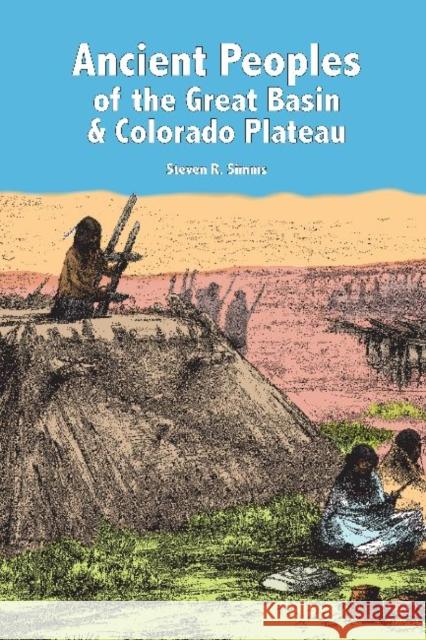
Written to appeal to professional archaeologists and the interested public, this book is a long overdue introduction to the ancient peoples of the Great Basin and northern Colorado Plateau. More than simply a textbook about the Great Basin, this book is written to provide a background about the region, as well as a deeper understanding of the people who inhabited it. Through detailed syntheses, the reader is drawn into the story of the inhabitation of the Great Basin from the entry of Paleoindians through the arrival of Europeans in the region. ""Ancient Peoples and Place: A Basin-Plateau...
Written to appeal to professional archaeologists and the interested public, this book is a long overdue introduction to the ancient peoples of the Gre...
Written to appeal to professional archaeologists, students, and the interested public alike, this book is a long overdue introduction to the ancient peoples of the Great Basin and northern Colorado Plateau. Through detailed syntheses, the reader is drawn into the story of the habitation of the Great Basin from the entry of the first Native Americans through the arrival of Europeans. Ancient Peoples is a major contribution to Great Basin archaeology and anthropology, as well as the general study of foraging societies.
Written to appeal to professional archaeologists, students, and the interested public alike, this book is a long overdue introduction to the ancient p...
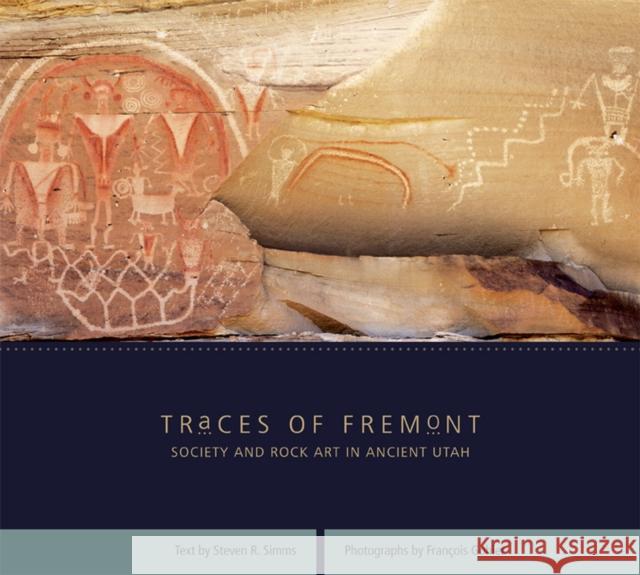
Fremont is a culture (ca. 300 1300 A.D.) first defined by archaeologist Noel Morss in 1928 based on characteristics unique to the area. Initially thought to be a simple socio-political system, recent reassessments of the Fremont assume a more complex society. This volume places Fremont rock art studies in this contemporary context. Author Steven Simms offers an innovative model of Fremont society, politics, and worldview using the principles of analogy and current archaeological evidence. Simms takes readers on a trip back in time by describing what a typical Fremont hamlet or residential...
Fremont is a culture (ca. 300 1300 A.D.) first defined by archaeologist Noel Morss in 1928 based on characteristics unique to the area. Initially t...