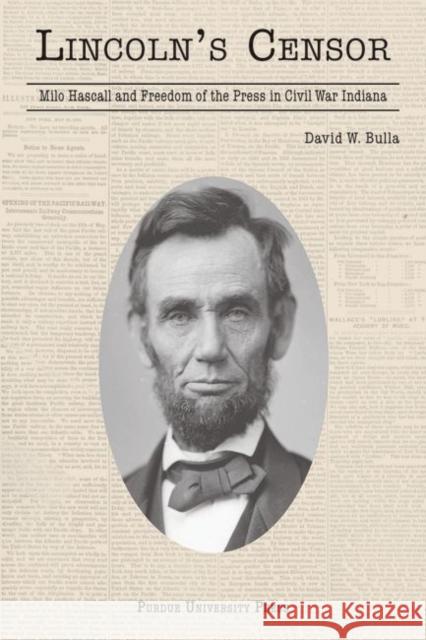
Lincoln's Censor examines the effect of government suppression on the Democratic press in Indiana during the spring of 1863. Indianas Democratic newspaper editors were subject to Milo S. Hascalls General Order No. 9, which proclaimed that all newspaper editors and public speakers that encouraged resistance to the draft or any other war measure would be treated as traitors. Brigadier General Hascall, commander of the District of Indiana, was amplifying General Order No. 38 of Major General Ambrose Everts Burnside, the commander of the Department of the Ohio. Burnsides order declared that...
Lincoln's Censor examines the effect of government suppression on the Democratic press in Indiana during the spring of 1863. Indianas Democratic newsp...
David B. Sachsman and David W. Bulla have gathered a colourful collection of essays exploring sensationalism in nineteenth-century newspaper reporting. The contributors analyse the role of sensationalism and tell the story of both the rise of the penny press in the 1830s and the careers of specific editors and reporters dedicated to this particular journalistic style.
Divided into four sections, the first, titled "The Many Faces of Sensationalism," provides an eloquent Defense of yellow journalism, analyses the place of sensational pictures, and provides a detailed examination of the...
David B. Sachsman and David W. Bulla have gathered a colourful collection of essays exploring sensationalism in nineteenth-century newspaper report...
Gregory A. Borchard David W. Bulla David B. Sachsman
Lincoln Mediated provides new information about a historical figure everyone thinks they know. It describes how Abraham Lincoln worked with the press throughout his political career, beginning with his service in Congress in the late 1840s, and detailing how his ties to newspapers in Illinois, New York, and Washington played a central role in the success of his presidency. Gregory A. Borchard and David W. Bulla study how Lincoln used the press to deliver his written and spoken messages, how editors reacted to the president, and how Lincoln responded to their criticism. Reviewing...
Lincoln Mediated provides new information about a historical figure everyone thinks they know. It describes how Abraham Lincoln worked wit...
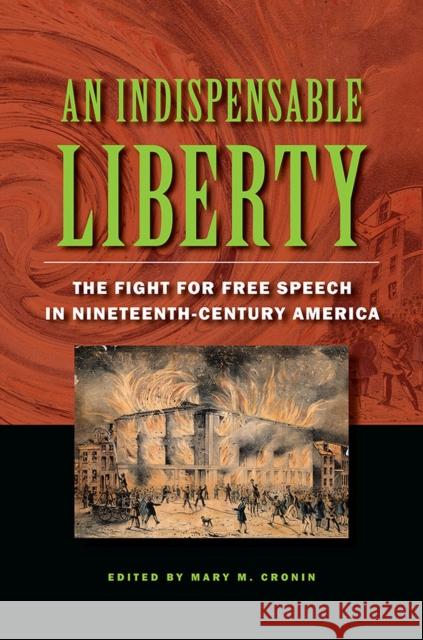
Most Americans today view freedom of speech as a bedrock of all other liberties, a defining feature of American citizenship. During the nineteenth century, the popular concept of American freedom of speech was still being formed. In An Indispensable Liberty: The Fight for Free Speech in Nineteenth-Century America, contributors examine attempts to restrict freedom of speech and the press during and after the Civil War. The eleven essays that make up this collection show how, despite judicial, political, and public proclamations of support for freedom of expression, factors like...
Most Americans today view freedom of speech as a bedrock of all other liberties, a defining feature of American citizenship. During the nineteenth cen...
David B. Sachsman and David W. Bulla have gathered a colourful collection of essays exploring sensationalism in nineteenth-century newspaper reporting. The contributors analyse the role of sensationalism and tell the story of both the rise of the penny press in the 1830s and the careers of specific editors and reporters dedicated to this particular journalistic style.
Divided into four sections, the first, titled "The Many Faces of Sensationalism," provides an eloquent Defense of yellow journalism, analyses the place of sensational pictures, and provides a detailed examination of the...
David B. Sachsman and David W. Bulla have gathered a colourful collection of essays exploring sensationalism in nineteenth-century newspaper report...