Long a refuge for bootleggers and hobos, Tecolote Canyon was engulfed by an industrialized oil boom for twenty years beginning in the 1930s, and endured the only Japanese attack on the contiguous U.S. during World War II. In the postindustrial era, the lower canyon was a haven for surfers, nudists, and gravediggers before being transformed into a five-star resort in the 1990s. But this beautiful area of California s Santa Barbara coast has been occupied by humans for at least 9,000 years. Known by the Chumash Indians as Hel apunitse (guitar fish), the canyon was a major nexus of Chumash...
Long a refuge for bootleggers and hobos, Tecolote Canyon was engulfed by an industrialized oil boom for twenty years beginning in the 1930s, and endur...
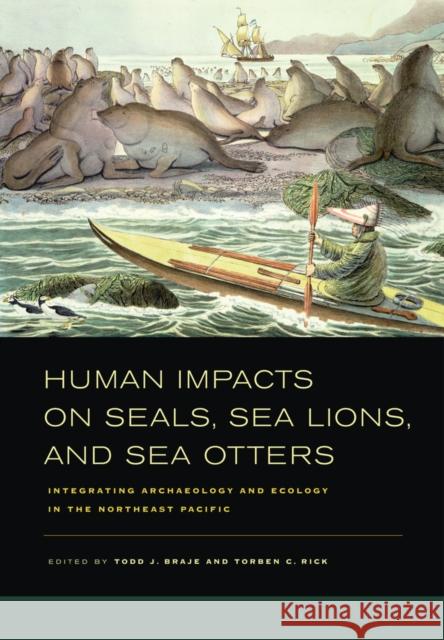
For more than ten thousand years, Native Americans from Alaska to southern California relied on aquatic animals such as seals, sea lions, and sea otters for food and raw materials. Archaeological research on the interactions between people and these marine mammals has made great advances recently and provides a unique lens for understanding the human and ecological past. Archaeological research is also emerging as a crucial source of information on contemporary environmental issues as we improve our understanding of the ancient abundance, ecology, and natural history of these species. This...
For more than ten thousand years, Native Americans from Alaska to southern California relied on aquatic animals such as seals, sea lions, and sea otte...