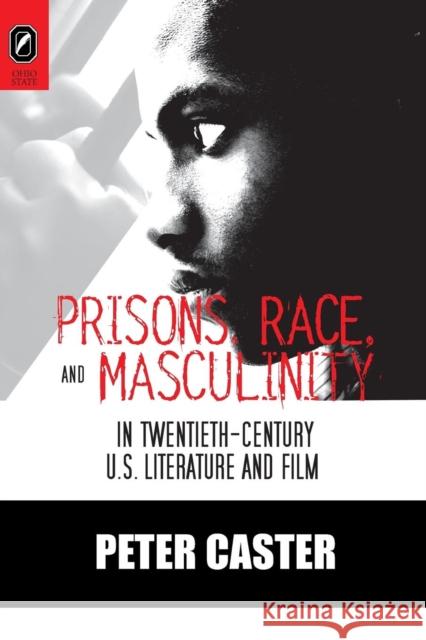
In Prisons, Race, and Masculinity, " Peter Caster demonstrates the centrality of imprisonment in American culture, illustrating how incarceration, an institution inseparable from race, has shaped and continues to shape U.S. history and literature in the starkest expression of what W.E.B. DuBois famously termed the problem of the color line.
A prison official in 1888 declared that it was the freeing of slaves that actually created prisons: we had to establish means for their control. Hence came the penitentiary. Such rampant racism co ntributed to the criminalization of black masculinity...
In Prisons, Race, and Masculinity, " Peter Caster demonstrates the centrality of imprisonment in American culture, illustrating how incarceration, ...
Fathers, Preachers, Rebels, Men: Black Masculinity in U.S. History and Literature, 1820-1945, edited by Timothy R. Buckner and Peter Caster, brings together scholars of history and literature focused on the lives and writing of black men during the nineteenth and twentieth centuries in the United States. The interdisciplinary study demonstrates the masculine character of cultural practices developed from slavery through segregation. Black masculinity embodies a set of contradictions, including an often mistaken threat of violence, the belief in its legitimacy, and the rhetorical union of...
Fathers, Preachers, Rebels, Men: Black Masculinity in U.S. History and Literature, 1820-1945, edited by Timothy R. Buckner and Peter Caster, brings to...