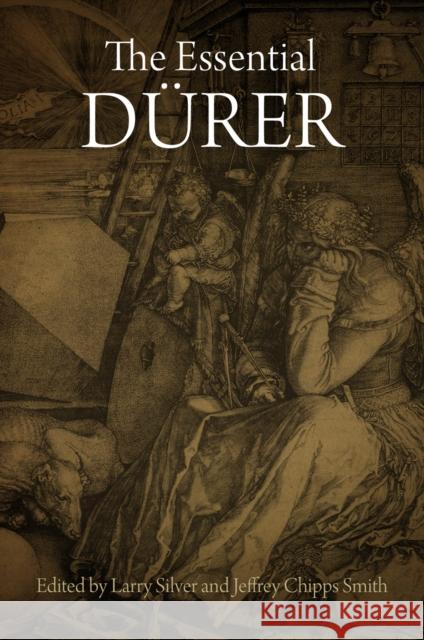
Albrecht Durer (1471-1528), perhaps the most famous of all German artists, embodies the modern ideal of the Renaissance man--he was a remarkable painter, printmaker, draftsman, designer, theoretician, and even a poet. More is known about his thoughts and his life than about any other Northern European master of his time, since he wrote extensively about himself, his family's history, his travels, and his friends. His woodcuts and engravings were avidly collected and copied across Europe, and they quickly established his reputation as a master. Praised in life and elegized in death by such...
Albrecht Durer (1471-1528), perhaps the most famous of all German artists, embodies the modern ideal of the Renaissance man--he was a remarkable pa...
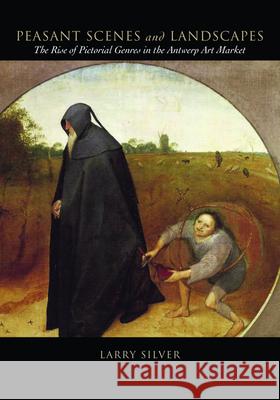
Modern viewers take for granted the pictorial conventions present in easel paintings and engraved prints of such subjects as landscapes or peasants. These generic subjects and their representational conventions, however, have their own origins and early histories. In sixteenth-century Antwerp, painting and the emerging new medium of engraving began to depart from traditional visual culture, which had been defined primarily by wall paintings, altarpieces, and portraits of the elite. New genres and new media arose simultaneously in this volatile commercial and financial capital of Europe,...
Modern viewers take for granted the pictorial conventions present in easel paintings and engraved prints of such subjects as landscapes or peasants...