This title presents the previously unpublished record of a white doctor's service with African American troops during the Civil War. In early 1863, in the aftermath of Abraham Lincoln's Emancipation Proclamation, Massachusetts began recruiting black soldiers to serve in the Civil War. Although the first regiment formed, the 54th Massachusetts, would become the best-known black regiment in the war, the second regiment raised, the 55th Massachusetts Volunteer Infantry, performed equally valuable service in the Union Army. Burt Green Wilder, a Boston-born, Harvard-educated doctor-in-training,...
This title presents the previously unpublished record of a white doctor's service with African American troops during the Civil War. In early 1863, in...
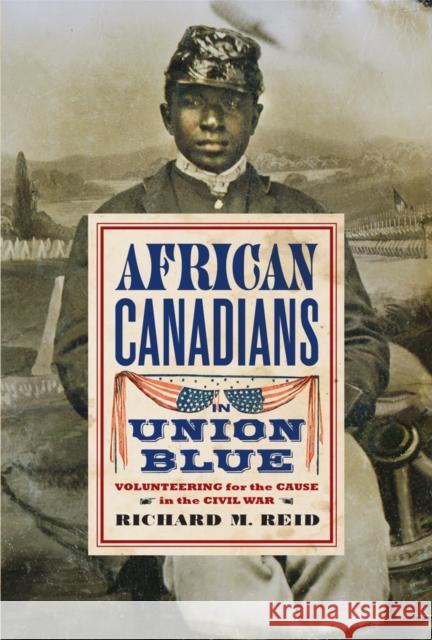
Before Abraham Lincoln issued the Emancipation Proclamation in 1863, he made a last-minute change - a paragraph authorizing the army to recruit black soldiers. Over the next two years, approximately 180,000 soldiers and 18,000 sailors joined the cause. Several thousand came from Canada, the terminus of the Underground Railroad.
What compelled these young men to leave the comfort and safety of home to face death on the battlefield, loss of income for their families, and legal sanctions for participating in a foreign war? Drawing on newspapers, autobiographies, and military and census...
Before Abraham Lincoln issued the Emancipation Proclamation in 1863, he made a last-minute change - a paragraph authorizing the army to recruit bla...
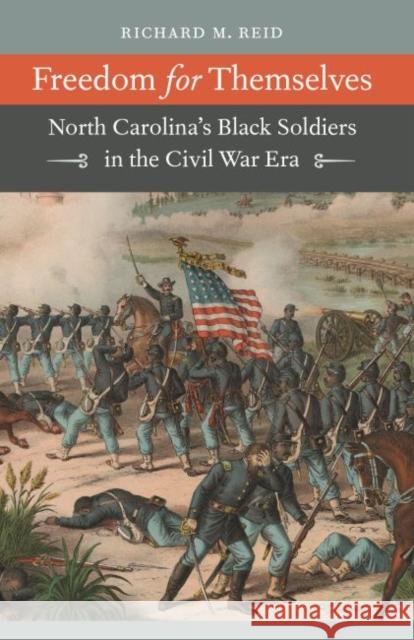
More than 5,000 North Carolina slaves escaped from their white owners to serve in the Union army during the Civil War. In Freedom for Themselves Richard Reid explores the stories of black soldiers from four regiments raised in North Carolina. Constructing a multidimensional portrait of the soldiers and their families, he provides a new understanding of the spectrum of black experience during and aftger the war.
More than 5,000 North Carolina slaves escaped from their white owners to serve in the Union army during the Civil War. In Freedom for Themselves
When Abraham Lincoln issued the Emancipation Proclamation in 1863, he also authorized the U.S. Army to recruit black soldiers for the war effort. Nearly 200,000 men answered the call, and several thousand of them came from Canada. What compelled these men to leave the relative comfort and safety of home to fight in a foreign war? In African Canadians in Union Blue, Richard M. Reid sets out in search of an answer and discovers a group of men whose courage and contributions open a window on the changing understanding of the American Civil War and the ties that held black communities together...
When Abraham Lincoln issued the Emancipation Proclamation in 1863, he also authorized the U.S. Army to recruit black soldiers for the war effort. Near...