< div> For two millennia, the site now known as Blue Creek in northwestern Belize was a Maya community that became an economic and political center that included some 15,000-20,000 people at its height.& nbsp; Fairly well protected from human destruction, the site offers the full range of city components including monumental ceremonial structures, elite and non-elite residences, ditched agricultural fields, and residential clusters just outside the core.& nbsp; Since 1992, a multi-disciplinary, multi-national research team has intensively investigated Blue Creek in an integrated...
< div> For two millennia, the site now known as Blue Creek in northwestern Belize was a Maya community that became an economic and political center th...
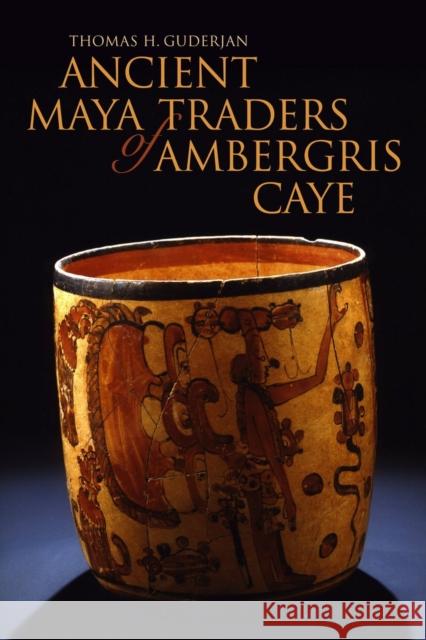
Archaeologists are unsure exactly when the Maya inhabited the coastal areas of Belize, but ample evidence exists to support an extensive maritime trade network along the coast by A.D. 600 This volume focuses on the maritime trade network sites on Ambergris Caye, Belize where excavations have revealed remnants of very small villages, or camps, along the Caribbean coastline.
Archaeologists are unsure exactly when the Maya inhabited the coastal areas of Belize, but ample evidence exists to support an extensive maritime t...
Jade, stone tools, honey and wax, ceramics, rum, land. What gave these commodities value in the Maya world, and how were those values determined? What factors influenced the rise and fall of a commodity's value? The Value of Things examines the social and ritual value of commodities in Mesoamerica, providing a new and dynamic temporal view of the roles of trade of commodities and elite goods from the prehistoric Maya to the present.
Editors Jennifer P. Mathews and Thomas H. Guderjan begin the volume with a review of the theoretical literature related to the "value of things."...
Jade, stone tools, honey and wax, ceramics, rum, land. What gave these commodities value in the Maya world, and how were those values determined? W...