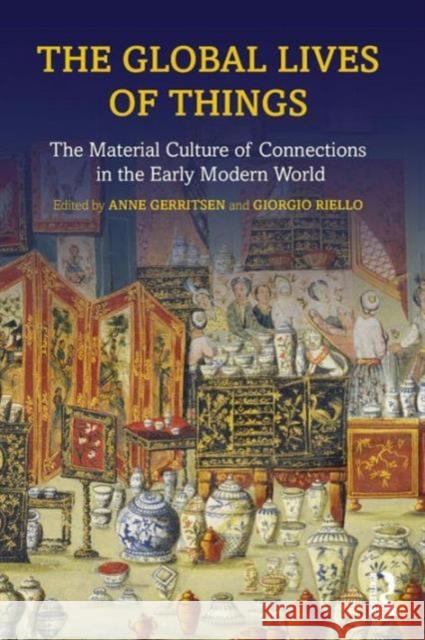
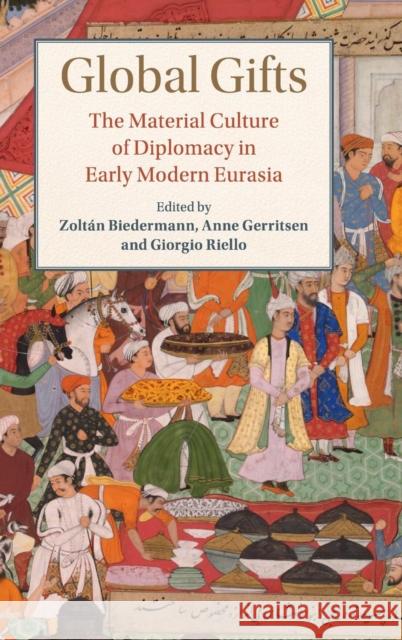
The Global Lives of Things considers the ways in which 'things', ranging from commodities to works of art and precious materials, participated in the shaping of global connections in the period 1400-1800. By focusing on the material exchange between Asia, Europe, the Americas and Australia, this volume traces the movements of objects through human networks of commerce, colonialism and consumption. It argues that material objects mediated between the forces of global economic exchange and the constantly changing identities of individuals, as they were drawn into global circuits. It...
The Global Lives of Things considers the ways in which 'things', ranging from commodities to works of art and precious materials, particip...
The Global Lives of Things considers the ways in which 'things', ranging from commodities to works of art and precious materials, participated in the shaping of global connections in the period 1400-1800. By focusing on the material exchange between Asia, Europe, the Americas and Australia, this volume traces the movements of objects through human networks of commerce, colonialism and consumption. It argues that material objects mediated between the forces of global economic exchange and the constantly changing identities of individuals, as they were drawn into global circuits. It...
The Global Lives of Things considers the ways in which 'things', ranging from commodities to works of art and precious materials, particip...
This volume suggests a new way of doing global history. The resulting micro-spatial history of labour addresses the management and recruitment of labour, its voluntary and coerced spatial mobility, its political perception and representation and the workers' own agency and social networks.
This volume suggests a new way of doing global history. The resulting micro-spatial history of labour addresses the management and recruitment of labo...