Enacted in 1906, the Antiquities Act is one of the most important pieces of conservation legislation in American history and has had a far-reaching influence on the preservation of our nation's cultural and natural heritage. Thanks to the foresight of thirteen presidents, parks as diverse as Acadia, Grand Canyon, and Olympic National Park, along with historic and archaeological sites such as Thomas Edison's Laboratory and the Gila Cliff Dwellings, have been preserved for posterity. A century after its passage, this book presents a definitive assessment of the Antiquities Act and its legacy,...
Enacted in 1906, the Antiquities Act is one of the most important pieces of conservation legislation in American history and has had a far-reaching in...
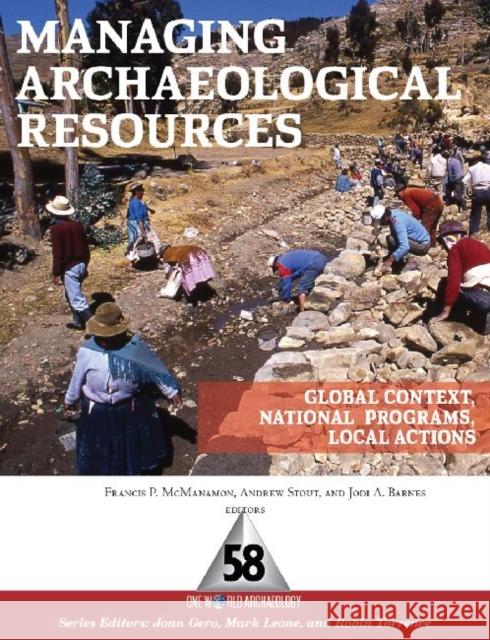
In a snapshot of 21st century archaeological resource management as a global enterprise, these 25 contributors show the range of activities, issues, and solutions undertaken by contemporary managers of heritage sites around the world. They show how the linkages between global archaeology and funding organizations, national policies, practices, and ideologies, and local populations and their cultural and economic interests foster complexity of the issues at all levels. Case materials from five continents introduce common themes of archaeologist relations with descendant groups, public...
In a snapshot of 21st century archaeological resource management as a global enterprise, these 25 contributors show the range of activities, issues, a...
In a snapshot of 21st century archaeological resource management as a global enterprise, these 25 contributors show the range of activities, issues, and solutions undertaken by contemporary managers of heritage sites around the world. They show how the linkages between global archaeology and funding organizations, national policies, practices, and ideologies, and local populations and their cultural and economic interests foster complexity of the issues at all levels. Case materials from five continents introduce common themes of archaeologist relations with descendant groups, public...
In a snapshot of 21st century archaeological resource management as a global enterprise, these 25 contributors show the range of activities, issues, a...
New Perspectives in Cultural Resource Management describes the historic developments, current challenges, and future opportunities presented by contemporary Cultural Resource Management (CRM). CRM is a substantial aspect of archaeology, history, historical architecture, historical preservation, and public policy in the US and other countries. Chapter authors are innovators and leaders in the development and contemporary practice of CRM. Collectively they have conducted thousands of investigations and managed programs at local, state, tribal, and national levels....
New Perspectives in Cultural Resource Management describes the historic developments, current challenges, and future opportunities present...