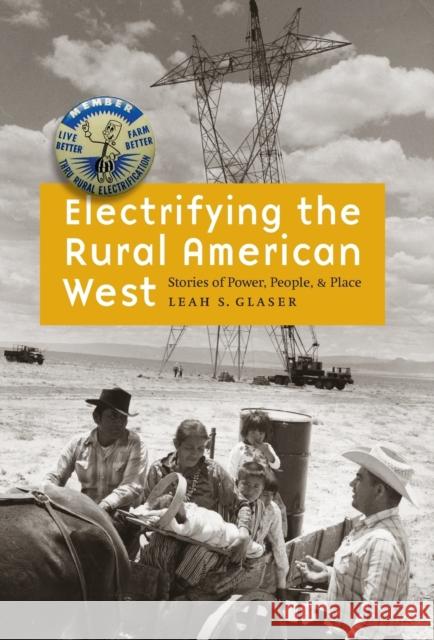
Most Americans consider electricity essential to their lives, but the historic disparity of its distribution and use challenges notions of a democratic lifestyle, economy, and culture. By the beginning of the twentieth century, substations, wires, towers, and poles had followed migrants westward as the industrial era s most prominent symbols of progress and power. When private companies controlled power production, electrical transmission, and distribution without regulation, they argued that it was not economically feasible for many ethnic and rural communities to access the grid. Yet,...
Most Americans consider electricity essential to their lives, but the historic disparity of its distribution and use challenges notions of a democrati...
Experts all agree that human beings can mitigate climate change by changing how we use energy for heat, light, movement, and production. Stewards of heritage sites and collections can engage the public at the grassroots level to raise awareness about the cultural and socioeconomic reasons for past choices that have contributed to climate change. This book will help cultural institutions identify ways to interpret new stories through historic places and resources, especially if staff have made the commitment to “go green.” Without place-based context, discussions about energy focus...
Experts all agree that human beings can mitigate climate change by changing how we use energy for heat, light, movement, and production. Stewards of h...