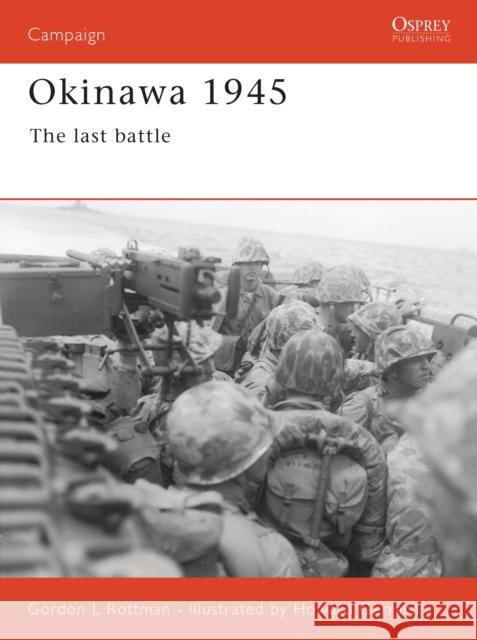
By the spring of 1945 the Allies were sweeping all before them in the Pacific War against Japan, and a series of victories had reclaimed many of the islands and territories seized by the Imperial Japanese forces in the early months of the war. The dark days of humiliating defeat were far behind the unstoppable Allied juggernaut - victory was now assured. The question was where the last battle would be fought. That place was the island of Okinawa. This book details the struggle for the island as US Marines and Army units battled determined Japanese defenders in the last battle of World War II...
By the spring of 1945 the Allies were sweeping all before them in the Pacific War against Japan, and a series of victories had reclaimed many of the i...
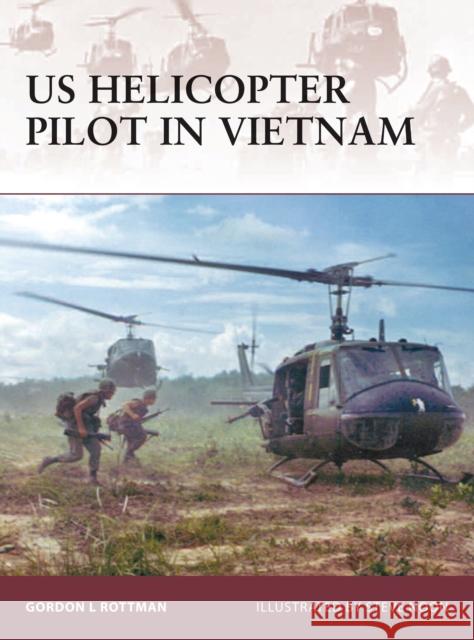
One of the most enduring and vivid images of Vietnam is the helicopter. There is little doubt that the helicopter revolutionized warfare and how the war in Vietnam (1955-1975) was fought. Helicopters lifted troops, supplies, material, equipment, and vehicles. They conducted visual reconnaissance, command and control, medical evacuation, artillery spotting, fire support, and countless administrative tasks. They were aerial weapons platforms and aerial trucks. The 40,000 pilots were the men behind this revolution.
Many helicopter pilots were thrill seekers to some degree. They liked...
One of the most enduring and vivid images of Vietnam is the helicopter. There is little doubt that the helicopter revolutionized warfare and how th...
..".the first-person perspectives offered by Kirby and Kohler put this book on my recommended books list. These personal experiences definitely stirred some interest for me to research more on the design, evolution, and field performance of each of the two tanks.- C. Peter Chen, World War II Database (July 2008)
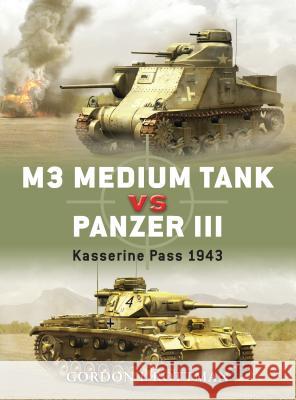
Smarting from their defeat at El Alamein and with directives to save the North African campaign, Rommel's battle-hardened armored divisions confronted a fresh opponent in the form of the newly arrived Americans. This would be a duel between the stalwart of the Wehrmacht...
..".the first-person perspectives offered by Kirby and Kohler put this book on my recommended books list. These personal experiences definitely sti...
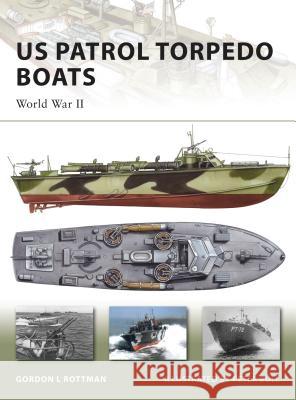
Motor torpedo boat development began in the early 1900s and the vessels were first put into active service during World War I. However, it was not until the late 1930s that the US Navy commenced the development of their Patrol Torpedo or PT boat program. The PT boat, or the -mosquito boat- as they were sometimes known, was originally envisioned for attacking larger warships with torpedoes using its -stealth- ability, high-speed, and small size to launch and survive these attacks. However, they were actually employed more frequently in a wide variety of other missions, many which were...
Motor torpedo boat development began in the early 1900s and the vessels were first put into active service during World War I. However, it was not ...
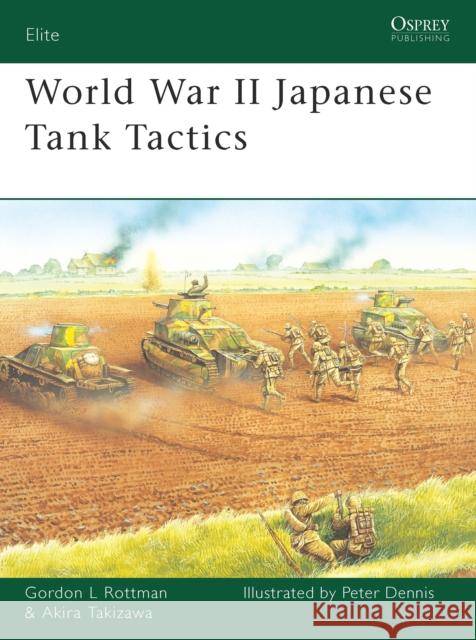
Osprey's examination of Japan's tank figting tactics during World War II (1939-1945). In this book expert author and tactician Gordon L Rottman provides the first English-language study of Japanese Army and Navy tank units, their tactics and how they were deployed in action. The Japanese army made extensive use of its tanks in the campaigns in China in the 1930s, and it was in these early successes that the Japanese began to develop their own unique style of tank tactics. As Japanese tanks battled in Singapore, Malaya and Burma this Japanese vision became clearer as light tanks were...
Osprey's examination of Japan's tank figting tactics during World War II (1939-1945). In this book expert author and tactician Gordon L Rottman pro...
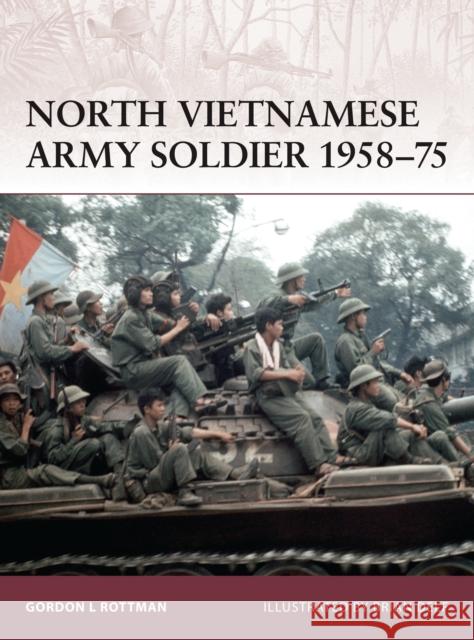
The North Vietnamese Army is often forgotten by the histories of the Vietnam War (1955-1975). Commonly mistaken for the locally raised Viet Cong guerrillas, the NVA was in fact an entirely different force for the Democratic Republic of Vietnam. After first supporting the VC in the Republic of Vietnam in 1958, the NVA entered into their own violent armed struggle as the war escalated. Entire divisions and vast numbers of NVA troops were sent south, conducting large-scale operations in a conventional war fought almost entirely by the NVA, and not the VC, as is often believed. Despite limited...
The North Vietnamese Army is often forgotten by the histories of the Vietnam War (1955-1975). Commonly mistaken for the locally raised Viet Cong guerr...
Booby traps laid by troops in war zones in World War II (1939-1945) are largely neglected in histories and memoirs, and rarely examined in detail. Yet for a soldier, the threat of booby traps was hugely significant and the ability to find and disarm them was essential. This is the first comprehensive study of World War II Axis battlefield sabotage equipment, using information from rare wartime intelligence publications covering both Allied and Axis practice to identify, illustrate and describe the vintage munitions used in World War II. Examining all aspects of this secretive subject, from...
Booby traps laid by troops in war zones in World War II (1939-1945) are largely neglected in histories and memoirs, and rarely examined in detail. Yet...
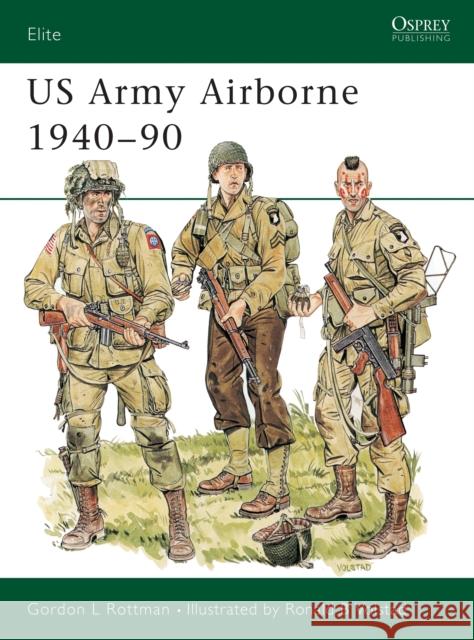
Osprey's examination of the US Army's airborne division in various conflicts, such as World War II (1939-1945) and the Vietnam War (1955-1975). The first 50 years of the US Army airborne arm is a story of continuing battles with the nation's enemies, of battles within the Army's hierarchy, of change, and of adaptation. If there is any single attribute the airborne soldier can claim as his most sterling, it is his uncanny ability to adapt his flexibility. The very nature of a paratrooper demands this ability to adapt. The motivation and esprit de corps it develops within these units is...
Osprey's examination of the US Army's airborne division in various conflicts, such as World War II (1939-1945) and the Vietnam War (1955-1975). The fi...
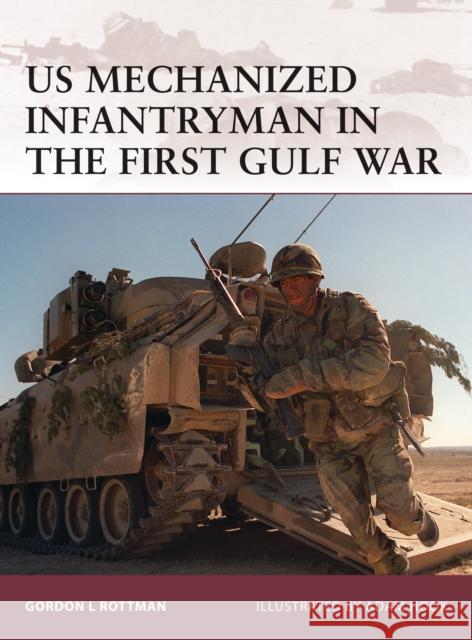
Osprey's examination of the US Mechanized Infantrymen of the First Gulf War (1990-1991), In many ways the end of the Vietnam War left the US army a spent force. Plagued by low morale, drug and race issues, and terrible public relations, the army faced an uphill climb in the effort to rebuild itself. The story of this reconstruction is mirrored in the rise of the Mechanized Infantryman. Deciding that the key to future conflict lay in highly trained and mobile warriors that could be delivered quickly to battle, the army adopted the mechanized infantryman as its frontline troops. This new,...
Osprey's examination of the US Mechanized Infantrymen of the First Gulf War (1990-1991), In many ways the end of the Vietnam War left the US army a...
Described by one soldier as "a metal box designed by a sadist to move soldiers across the water," the Landing Craft, Infantry was a large beaching craft intended to transport and deliver an infantry rifle company to a hostile shore, once the beachhead was secured. The LCI, or as it was more commonly known, "Elsie Item," and its vehicle-delivery counterpart, the Landing Ship, Medium (LSM), were widely used by the allies during amphibious operations during World War II. They were mid-sized beaching craft filling the gap between the much larger LST and the many types of smaller bow-ramped,...
Described by one soldier as "a metal box designed by a sadist to move soldiers across the water," the Landing Craft, Infantry was a large beaching ...