Although individually and collectively Americans have many histories, the dominant view of our national past focuses on the colonial era. The reasons for this are many and complex, touching on stories of the country's origins and of the founding fathers, the privileged position in history granted the thirteen original colonies, and the ways in which the nation has adjusted to change and modernity. But no matter the cause, the result is obvious: images and forms derived from and related to America's colonial past are the single most popular form of cultural expression.
Often conceived...
Although individually and collectively Americans have many histories, the dominant view of our national past focuses on the colonial era. The reaso...
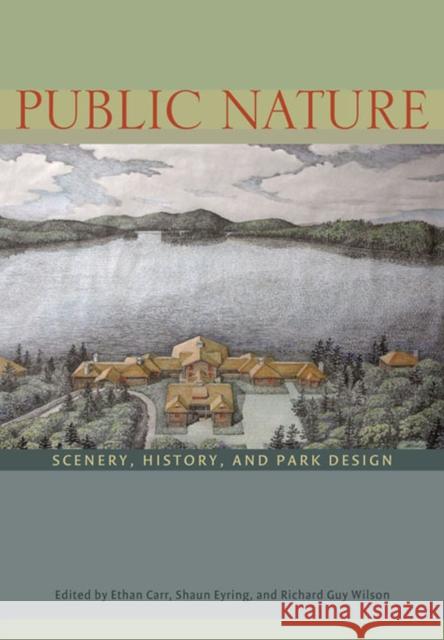
This diverse new collection of essays, written by scholars, practitioners, and public-land managers, considers the history of public park design, as well as the parks themselves as repositories of cultural values.
In exploring the role design has played in these public spaces, the contributors look not only at noticeably planned, often urban, landscapes such as Central Park or Boston's Back Bay Fens but also at parks such as Yosemite with naturally occurring scenic qualities, which require less development. The essays present design as encompassing not simply a park's...
This diverse new collection of essays, written by scholars, practitioners, and public-land managers, considers the history of public park design, a...