Making contemporary theatre reveals how some of the most significant international contemporary theatre is actually made. The book opens with an introductory chapter which contextualises recent trends in approaches to theatre-making. In the ensuing eleven chapters, eleven different writer-observers describe, contextualise and analyse the theatre-making practices of eleven different companies and directors, including Japan's Gekidan Kaitaisha and the Quebecois director Robert Lepage. Each chapter is enriched with extensive illustrations as well as boxed-off 'asides', giving the reader...
Making contemporary theatre reveals how some of the most significant international contemporary theatre is actually made. The book opens with an i...
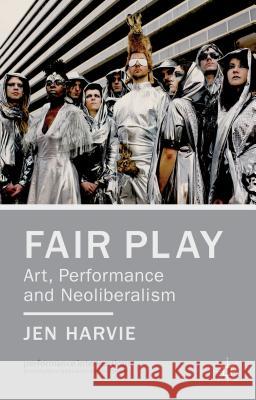
This book asks what is the quality of participation in contemporary art and performance? Has it been damaged by cultural policies which have 'entrepreneurialized' artists, cut arts funding and cultivated corporate philanthropy? Has it been fortified by crowdfunding, pop-ups and craftsmanship? And how can it help us to understand social welfare?
This book asks what is the quality of participation in contemporary art and performance? Has it been damaged by cultural policies which have 'entrepre...
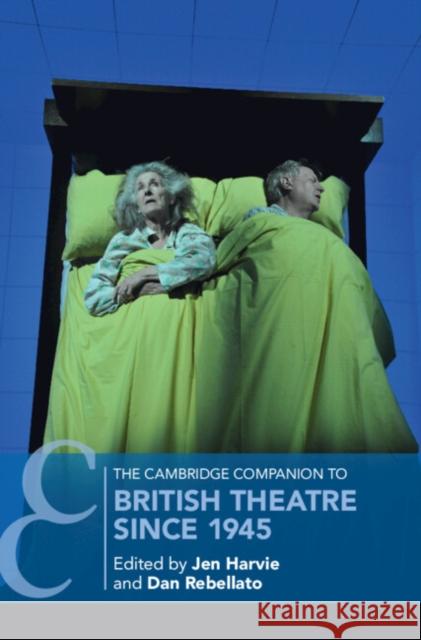
British theatre underwent a vast transformation and expansion in the decades after World War II. This Companion explores the historical, political, and social contexts and conditions that not only allowed it to expand but, crucially, shaped it. Resisting a critical tendency to focus on plays alone, the collection expands understanding of British theatre by illuminating contexts such as funding, unionisation, devolution, immigration, and changes to legislation. Divided into four parts, it guides readers through changing attitudes to theatre-making (acting, directing, writing), theatre sectors...
British theatre underwent a vast transformation and expansion in the decades after World War II. This Companion explores the historical, political, an...
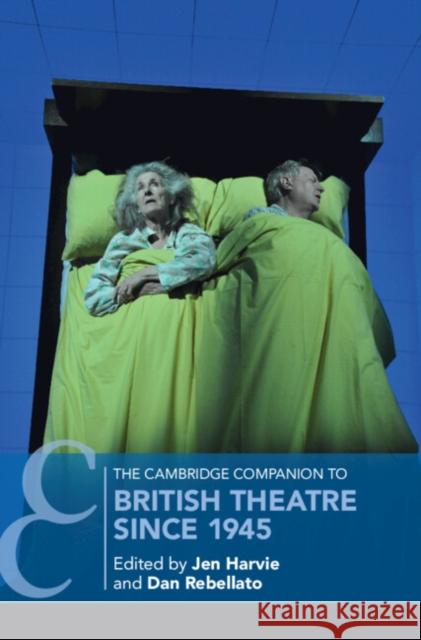
British theatre underwent a vast transformation and expansion in the decades after World War II. This Companion explores the historical, political, and social contexts and conditions that not only allowed it to expand but, crucially, shaped it. Resisting a critical tendency to focus on plays alone, the collection expands understanding of British theatre by illuminating contexts such as funding, unionisation, devolution, immigration, and changes to legislation. Divided into four parts, it guides readers through changing attitudes to theatre-making (acting, directing, writing), theatre sectors...
British theatre underwent a vast transformation and expansion in the decades after World War II. This Companion explores the historical, political, an...