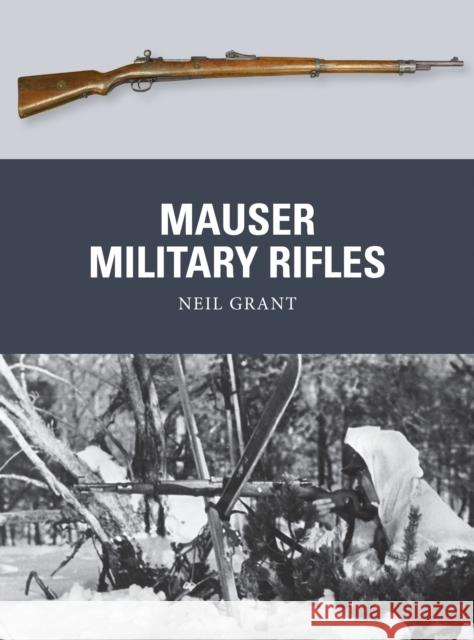
The history of the iconic Mauser family of German bolt-action rifles is told here in extensive detail. Drawing on first-hand accounts of the weapons in combat and fascinating primary sources regarding their mechanical performance, this fully illustrated study charts the Mauser's origins, combat record and lasting influence. It explores the full range of Mauser rifles, beginning with the hugely successful Gew 98, which entered service in the time of the Kaiser, provided the basis for the US Springfield M1093 and equipped combatants as diverse as the South African Boers. It also investigates...
The history of the iconic Mauser family of German bolt-action rifles is told here in extensive detail. Drawing on first-hand accounts of the weapon...
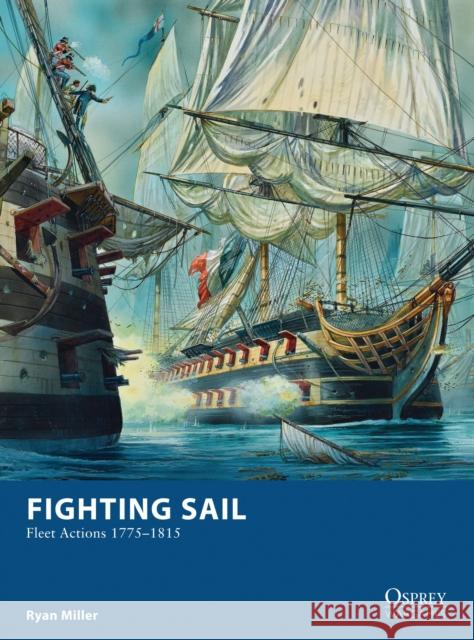
In the years between 1776 and 1815, grand square-rigged sailing ships dominated warfare on the high seas. Fighting Sail is a tabletop wargame of fleet battles in this age of canvas, cannon, and timbers. Players take on the roles of fleet admirals from one of eight different national fleets: America, Britain, France, Spain, The Netherlands, Portugal, Russia and Sweden in battles ranging from the American War of Independence to the Napoleonic Wars and the War of 1812. Each fleet has access to different ships, tactics, and command personalities - each with its own strengths and weaknesses....
In the years between 1776 and 1815, grand square-rigged sailing ships dominated warfare on the high seas. Fighting Sail is a tabletop wargame of fleet...
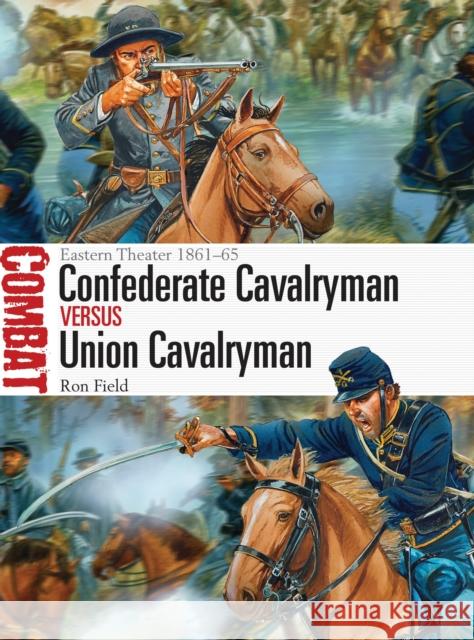
This gripping study offers key insights into the tactics, leadership, combat performance, and subsequent reputations of Union and Confederate mounted units fighting in three pivotal cavalry actions of the Civil War - Second Bull Run/Manassas (1862), Buckland Mills (1863), and Tom's Brook (1864). During the intense, sprawling conflict that was the Civil War, both Union and Confederate forces fielded substantial numbers of cavalry, which carried out the crucial tasks of reconnaissance, raiding, and conveying messages. The perception was that cavalry's effectiveness on the battlefield would...
This gripping study offers key insights into the tactics, leadership, combat performance, and subsequent reputations of Union and Confederate mount...
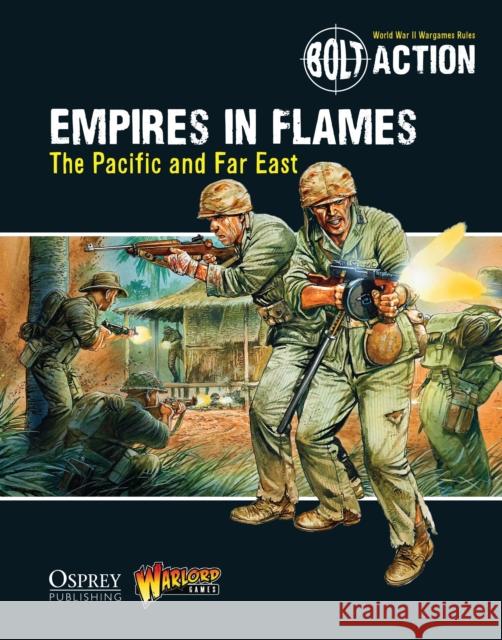
Far from the battlefields of Europe and North Africa, Allied forces fought a very different war against another foe. From the jungles of Burma to the islands of the Pacific and the shores of Australia, this new theater supplement for Bolt Action allows players to command the spearhead of the lightning Japanese conquests in the East or to fight tooth and nail as Chindits, US Marines and other Allied troops to halt the advance and drive them back. Scenarios, special rules and new units give players everything they need to recreate the ferocious battles and campaigns of the Far East, from...
Far from the battlefields of Europe and North Africa, Allied forces fought a very different war against another foe. From the jungles of Burma to the ...
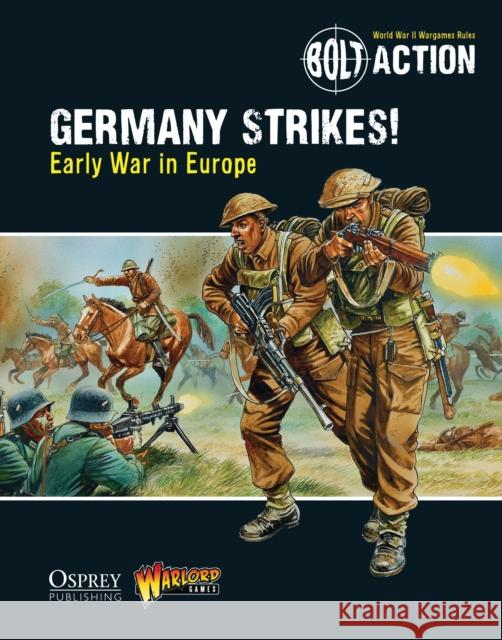
In 1939, Germany shattered the peace of Europe with a lightning-quick strike against Poland. The next year, it captured Denmark and Norway, before launching its famous blitzkrieg against France, Belgium and The Netherlands. In less than two years of fighting, Nazi Germany had become the master of mainland Europe.
This new theater book for Bolt Action allows players to command armies of Germany tanks in WWII driving across the lowlands or to lead the desperate defense of the outgunned allied armies.
In 1939, Germany shattered the peace of Europe with a lightning-quick strike against Poland. The next year, it captured Denmark and Norway, before ...
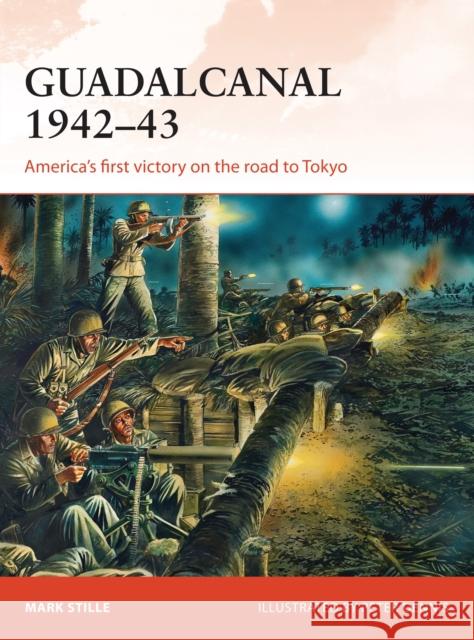
The Guadalcanal campaign began with an amphibious assault in August 1942 - the US's first attempt to take the fight to the Japanese. It quickly escalated into a desperate attritional battle on land, air and sea, and by the time the Japanese had evacuated the last of their forces from the island in 1943, it was clear that the tide of the war had turned. The previously inexorable Japanese advance had been halted, and the myth of Japanese invincibility shattered. The fighting brought into sharp relief several crucial weaknesses of Japanese strategic planning and war economy, while the US was...
The Guadalcanal campaign began with an amphibious assault in August 1942 - the US's first attempt to take the fight to the Japanese. It quickly esc...
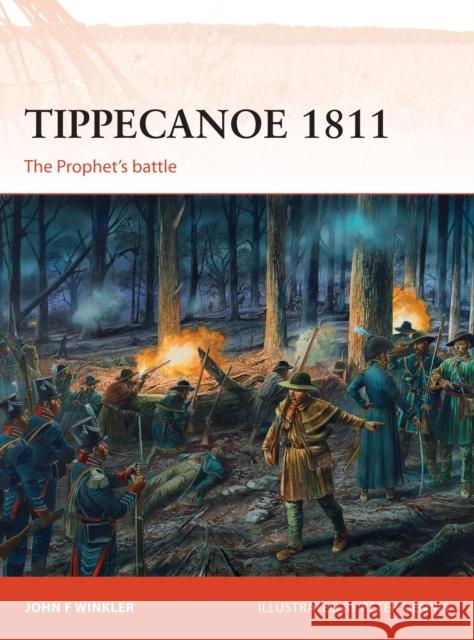
This is the gripping story of the Tippecanoe campaign of 1811: "The prophet's battle." It was a conflict born out of festering tensions inscribed by the 1795 Treaty of Greeneville, which had concluded the Northwestern Indian War and attempted to prevent white settlers' encroachment onto newly-defined Indian territories. For 16 years there had been peace, but in 1811 the number of settlers in the Ohio territory had swollen from 3,000 to 250,000. War was again coming to the North West. Within these pages John F. Winkler explores the dramatic buildup to the war and provides a clear view of the...
This is the gripping story of the Tippecanoe campaign of 1811: "The prophet's battle." It was a conflict born out of festering tensions inscribed by t...
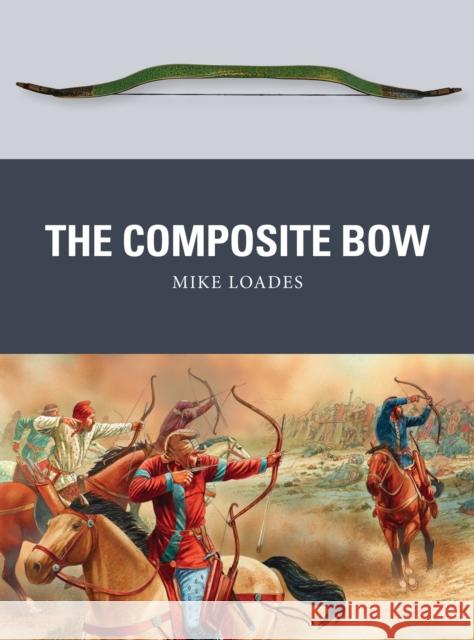
An ancient design, emerging from Central Asia in the second millennium B.C., the composite bow was adopted by a staggering variety of cultures, from nomadic tribal peoples such as the Huns, Turks, and Mongols, to mighty empires such as the Romans, Byzantines, Persians, Arabs, and Chinese. Offering high power and portability, the composite bow was an ideal cavalry weapon, though it was also used by infantry in open battle, and as a siege weapon. In this important study, an expert on Eastern military technology tells the story of this extraordinary piece of military hardware: how it was made...
An ancient design, emerging from Central Asia in the second millennium B.C., the composite bow was adopted by a staggering variety of cultures, from n...
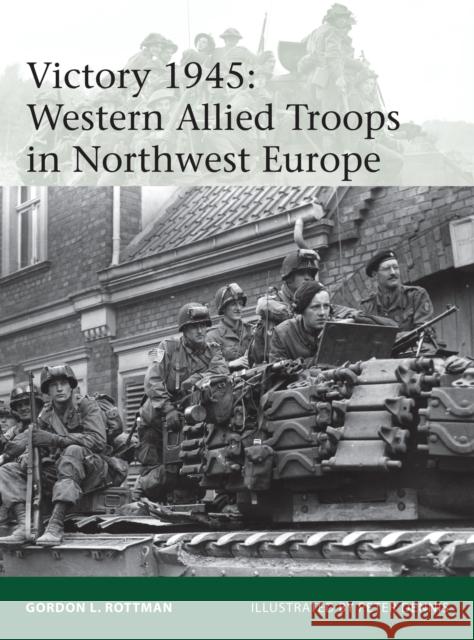
Even when Western Allied troops gained a foothold in Normandy, World War II in Europe was far from over. The route to Germany's interior and the Nazis final surrender was long, arduous and blood-stained. The Wehrmacht's stubborn resistance and the shocking losses suffered by US, British, Canadian and 'Free European' troops meant that the Allies had to adapt and refine small-unit tactics, battle-drills, and their use of weapons and munitions. The troops who finally met up with the Red Army in Germany were a very different fighting force to the one that struggled up the beaches of northern...
Even when Western Allied troops gained a foothold in Normandy, World War II in Europe was far from over. The route to Germany's interior and the Nazis...
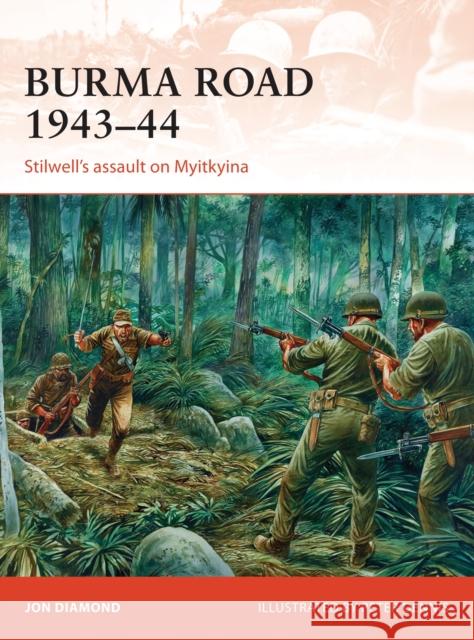
Myitkyina was a vital objective in the Allied re-conquest of Burma in 1943-44 Following the disastrous retreat from Burma in April 1942, China had become isolated from re-supply except for the dangerous air route for US transports over the Himalaya Mountains. The Burma Road, which ran from Lashio (south of Myitkyina) through the mountains to Kunming was closed as a supply route from Rangoon after the Japanese conquest. Without military assistance, China would be forced to surrender and Imperial Japanese Army forces could be diverted to other Pacific war zones.
This is the history of...
Myitkyina was a vital objective in the Allied re-conquest of Burma in 1943-44 Following the disastrous retreat from Burma in April 1942, China had ...