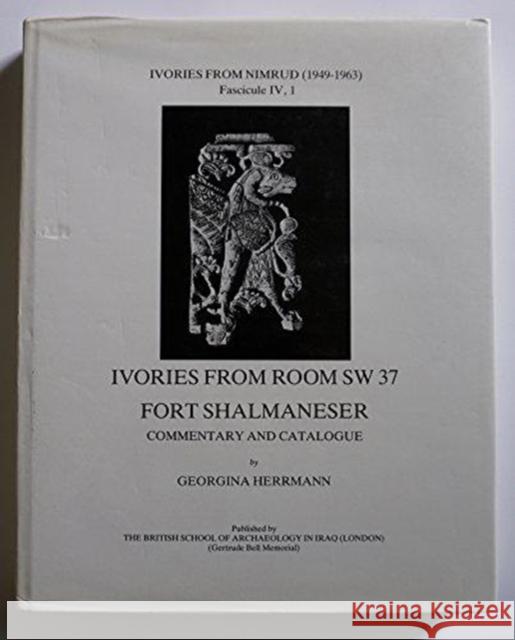
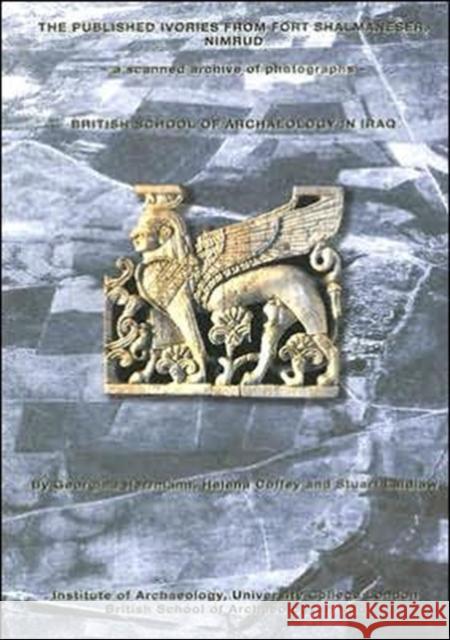
Part of the Ivories From Nimrud series. Fascicule IV is a two volume set on the ivories found in room SW37 at Fort Shalmaneser. Part 1, contains the text while Part 2 contains the plates.
Part of the Ivories From Nimrud series. Fascicule IV is a two volume set on the ivories found in room SW37 at Fort Shalmaneser. Part 1, contains the t...
Nimrud is an exceptionally generous site, and has richly rewarded those that work there. It was first famous for the Assyrian bas reliefs found by the 19th century archaeologist, Austen Henry Layard, but is also famous for the thousands of ivories found during the 19th and 20th centuries. The ivories were mostly imported from the Levantine kingdoms to the west, either as tribute or booty, although there were some in the distinctive local Assyrian style. They were used to embellish furniture, as well as small objects, and are carved in a great variety of styles, but interestingly with a...
Nimrud is an exceptionally generous site, and has richly rewarded those that work there. It was first famous for the Assyrian bas reliefs found by the...
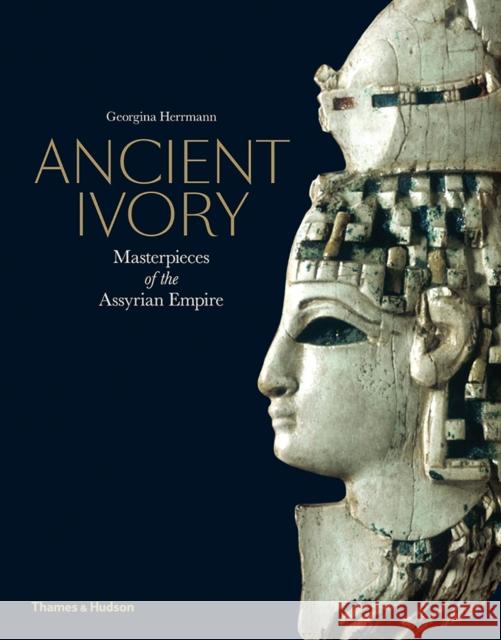
Elephant ivory is a tactile, beautiful, and workable material. It can be made into many different forms and is the strongest material in the animal kingdom. It has been highly prized from the Paleolithic to the present day, and the impact on elephants has been severe--indeed, the Syrian elephant was hunted to extinction. Long ago, during the early first millennium bce--"The Age of Ivory"--literally thousands of carved ivories found their way to the Assyrian capital city of Kalhu, or modern Nimrud, in northern Iraq. The majority were not made there but arrived as gifts, tributes, or booty...
Elephant ivory is a tactile, beautiful, and workable material. It can be made into many different forms and is the strongest material in the animal...