Faced with the prospect of global warming, the anticipated rapid rise in global air temperatures due to the release of gases into the atmosphere, we have two choices of how to respond: adaptation or avoidance. With adaptation we keep burning fossil fuels, let global temperatures rise and make whatever changes this requires: move people from environmentally damaged areas, build sea walls, etc. With avoidance we stop warming from occurring, either by reducing our use of fossil fuels or by using technology such as carbon dioxide recovery after combustion to block the warming effect. Yet each...
Faced with the prospect of global warming, the anticipated rapid rise in global air temperatures due to the release of gases into the atmosphere, ...
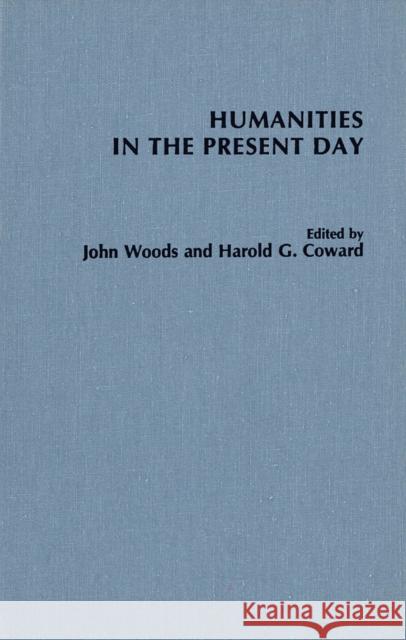
This collection of addresses presented at the Official Inauguration of the Faculty of Humanities, University of Calgary, in February 1978, is edited by the Dean and the Associate Dean of the Faculty. As well as the essays, the collection includes biographies and photographs of the contributors and a comprehensive index. Robertson Davies, in the inaugural address, discusses "The Relevance and Importance of the Humanities in the Present Day." Next, the editors discuss the concept of a "liberal undergraduate education," and Gregory Vlastos, the concept of graduate education. George Grant...
This collection of addresses presented at the Official Inauguration of the Faculty of Humanities, University of Calgary, in February 1978, is edited b...
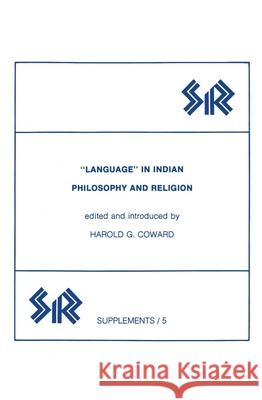
The papers published in this volume were originally read and discussed at a three day seminar sponsored by the Canadian Society for the Study of Religion/Societie Canadienne des Sciences Religieuses at Laval University, Quebec City, Quebec, May 28th to 30th, 1976. This seminar served the important function of bringing together the majority of the Canadian scholars who specialize in Indian Philosophy and Religion. The topic, Language was chosen a year earlier so that advance study on a common theme could be undertaken by all who participated. Some thirty professors, as well as a few senior...
The papers published in this volume were originally read and discussed at a three day seminar sponsored by the Canadian Society for the Study of Re...
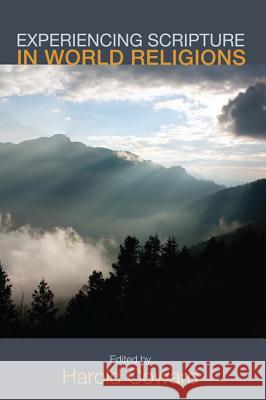
Description: An inside view of how the scriptures of world religions illuminate the lives and experience of their devotees. Endorsements: ""An excellent introduction to how members of major religious traditions experience scripture. The essays are informative, stimulating and engaging, introducing the reader to the variety of ways in which scriptures shape human life."" --Leo D. Lefebure, Fordham University ""A splendid collection of provocative and insightful essays on the significance of scripture, comparatively viewed as spoken and written sacred text for the followers of six major...
Description: An inside view of how the scriptures of world religions illuminate the lives and experience of their devotees. Endorsements: ""An excelle...
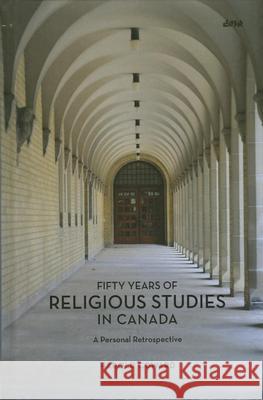
In Canadian universities in the early 1960s, no courses were offered on Hinduism, Buddhism, or Islam. Only the study of Christianity was available, usually in a theology program in a church college or seminary. Today almost every university in North America has a religious studies department that offers courses on Western and Eastern religions as well as religion in general. Harold Coward addresses this change in this memoir of his forty-five-year career in the development of religious studies as a new academic field in Canada. He also addresses the shift from theology classes in...
In Canadian universities in the early 1960s, no courses were offered on Hinduism, Buddhism, or Islam. Only the study of Christianity was available,...
In Canadian universities in the early 1960s, no courses were offered on Hinduism, Buddhism, or Islam. Only the study of Christianity was available, usually in a theology program in a church college or seminary. Today almost every university in North America has a religious studies department that offers courses on Western and Eastern religions as well as religion in general. Harold Coward addresses this change in this memoir of his forty-five-year career in the development of religious studies as a new academic field in Canada. He also addresses the shift from theology classes in...
In Canadian universities in the early 1960s, no courses were offered on Hinduism, Buddhism, or Islam. Only the study of Christianity was available,...