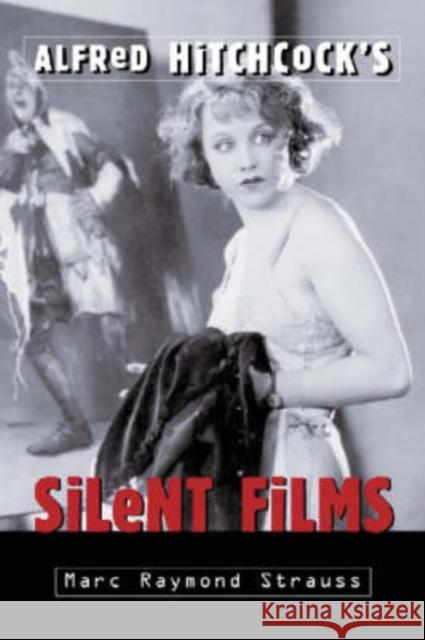
Alfred Hitchcock called the silent the purest form of cinema, and the ten silent films he directed between 1925 and 1929 reveal the young director's mature artistry. Hitchcock's silents have often been characterized as the work of a talented amateur, a young director practicing his craft during a pre-sound era of antiquated instruments and poor film techniques - the director experimented with myriad points of view, unique camera angles and movements, and special affects such as dissolves, blurriness, and violent cuts. These silents, however, contain the first appearances of some of his...
Alfred Hitchcock called the silent the purest form of cinema, and the ten silent films he directed between 1925 and 1929 reveal the young director's m...
Prominent dance critic Arlene Croce wrote for The New Yorker during the 1970s, '80s and '90s. Through more than 200 critiques in that magazine, she confirmed a classical aesthetic framework for dance, influencing the work of numerous contemporary critics as well as the tastes of audiences. This book explores that framework and provides an interpretive analysis of the biographical, professional and historical elements that contributed to the context of Croce's work. Topics include Croce's predecessors in dance criticism, relevant twentieth-century contemporaries and the journalistic...
Prominent dance critic Arlene Croce wrote for The New Yorker during the 1970s, '80s and '90s. Through more than 200 critiques in that magazine,...
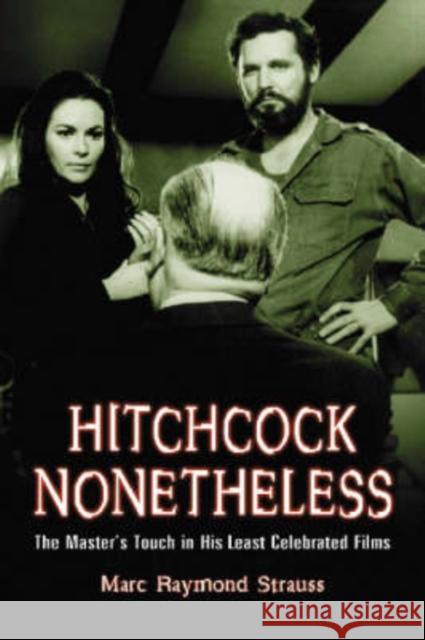
Alfred Hitchcock made many great films, but he also made many that critics and audiences largely dismissed. These least celebrated films, despite their admitted flaws and relative obscurity, offer much to reward the open-minded viewer. This critical study examines and reappraises fifteen such films generally overlooked by scholars and Hitchcock aficionados: Juno and the Paycock, The Skin Game, Waltzes from Vienna, Jamaica Inn, The Paradine Case, Under Capricorn, I Confess, Torn Curtain, Number Seventeen, Rich and Strange, Secret Agent, Mr. and Mrs. Smith, Stage Fright, The Wrong Man, ...
Alfred Hitchcock made many great films, but he also made many that critics and audiences largely dismissed. These least celebrated films, despite thei...
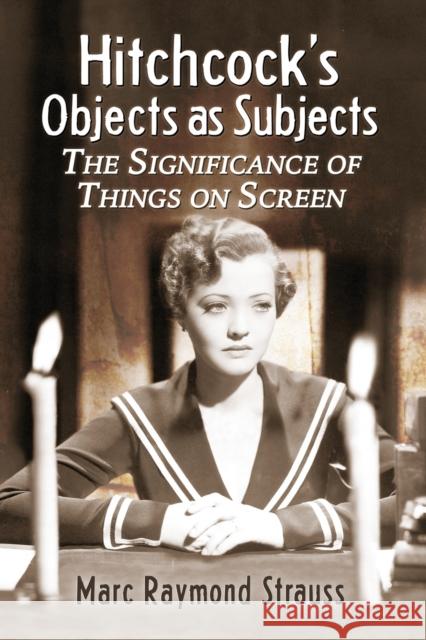
Alfred Hitchcock's imperative was to charge the screen with emotion. Subject matter and acting were, for him, subordinate to "all of the technical aspects that made the audience scream." Focusing on onscreen objects in Hitchcock's films, this study examines staircases, eyeglasses, lamps, doors, candles, cigarettes, buildings, monuments, statues and dozens of other props that the director treated as subjective protagonists, their roles nearly equal to the actors'. Examining each of the director's 52 extant films, this book provides a comprehensive exploration of Hitchcock's treatment of...
Alfred Hitchcock's imperative was to charge the screen with emotion. Subject matter and acting were, for him, subordinate to "all of the technical asp...