Walls of Algiers examines the historical processes that transformed Ottoman Algiers, the "Bulwark of Islam," into "Alger la blanche," the colonial urban showpiece - and, after the outbreak of revolution in 1954 - counter-model of France's global empire. In this volume, the city of Algiers serves as a case study for the analysis of the proactive and reactive social, political, technical, and artistic forces that generate a city's form. Visual sources - prints, photographs, paintings, architectural drawings, urban designs, and film - are treated as primary evidence that complements...
Walls of Algiers examines the historical processes that transformed Ottoman Algiers, the "Bulwark of Islam," into "Alger la blanche," the co...
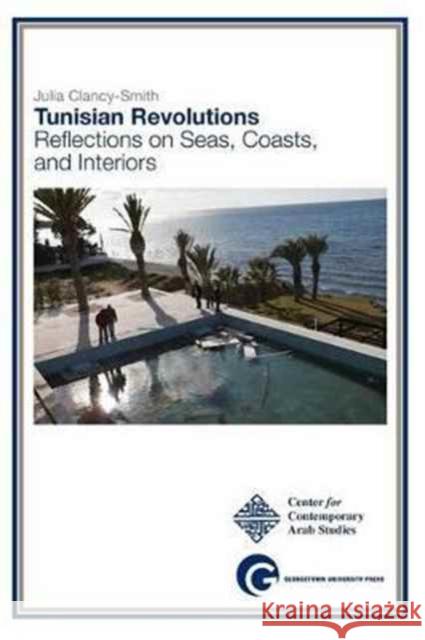
In December 2010 an out-of-work Tunisian merchant, Mohamed Bouazizi, set himself on fire and precipitated the Arab Spring. Popular interpretations of Bouazizi's self-immolation viewed economic and political despair as the root of the Tunisian revolution, but as Julia Clancy-Smith points out Tunisia's long history of revolutions and protest movements presents a far more complicated set of causes. Proposing a conceptual framework of "coastalization" v. "interiorization," Clancy-Smith examines Tunisia's last two centuries and demonstrates how geographical and environmental and social factors...
In December 2010 an out-of-work Tunisian merchant, Mohamed Bouazizi, set himself on fire and precipitated the Arab Spring. Popular interpretations of ...