For almost a millennium, a modest wooden ship lay underwater off the coast of Serce Limani, Turkey, filled with evidence of trade and objects of daily life. The ship, now excavated by the Institute of Nautical Archaeology at Texas A&M University, trafficked in both the Byzantine and Islamic worlds of its time. The ship is known as "the Glass Wreck" because its cargo included three metric tons of glass cullet, including broken Islamic vessels, and eighty pieces of intact glassware. In addition, it held glazed Islamic bowls, red-ware cooking vessels, copper cauldrons and buckets, wine...
For almost a millennium, a modest wooden ship lay underwater off the coast of Serce Limani, Turkey, filled with evidence of trade and objects of daily...
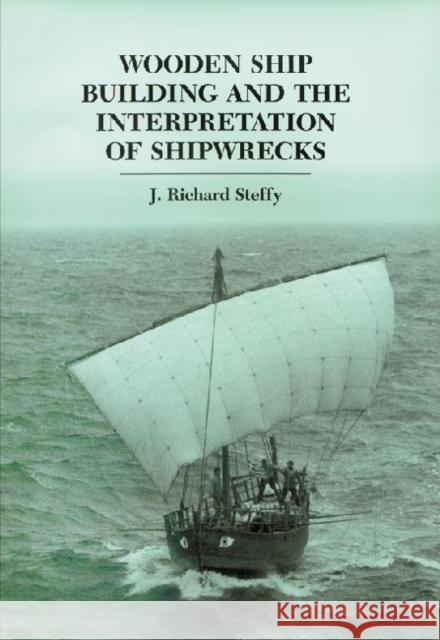
This book is a guide to the study of the most marvelous structures ever built by humankind-wooden ships and boats. It is intended for nautical archaeologists and for anyone charged with documenting and interpreting the remains of wrecked or abandoned vessels. It will also be of value to historians, authors, model builders, and others interested in the design and construction of wooden watercraft of the past. The text is divided into three parts. The first introduces the discipline and presents enough basic information to permit the untrained reader to understand the analysis of ship and boat...
This book is a guide to the study of the most marvelous structures ever built by humankind-wooden ships and boats. It is intended for nautical archaeo...