The clash between King Richard I 'The Lionheart' of England and Saladin has become legendary. Throughout the ages, military enthusiasts have been fascinated by the strategy of the resolute, heavily armed Anglo-Saxon army versus their more lightly armed opponents. Richard's inability to recapture Jerusalem was disappointing, but it proved to the crusaders that Saladin was not invincible. This book describes the struggle of the Crusades (1095-1291) that has evolved into a mythic campaign for the Holy City of Jerusalem, providing an in-depth look at the battle, the personalities involved and the...
The clash between King Richard I 'The Lionheart' of England and Saladin has become legendary. Throughout the ages, military enthusiasts have been fasc...
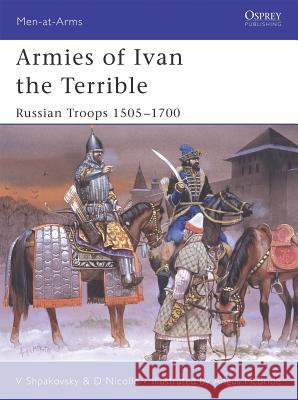
It is generally assumed that the military reforms which propelled Russia into the modern world were due solely to the genius of Peter the Great. In fact, his reforms were built upon changes that had taken place during the previous 200 years, since the creation in 1550 of Russia's first full-time military force (the streltsi) by Ivan IV the Terrible. This account traces Russia's armies from that beginning, through the creation of paid regular regiments from1630, up to the reign of Peter the Great. It is illustrated with rare early drawings, photos of surviving artifacts, and dazzling colour...
It is generally assumed that the military reforms which propelled Russia into the modern world were due solely to the genius of Peter the Great. In fa...
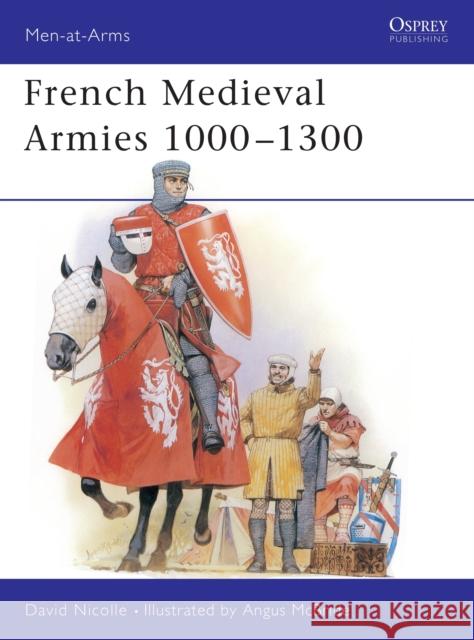
By the 11th century the French King had lost control of border regions, while local warfare had grown alarmingly frequent. In fact the energies of the French military elite were now focused on petty internal squabbles and external adventures like the Norman conquest of England. Nevertheless, the population and economy both expanded, although it was not until the 12th century that the crown rebuilt its power-base. Despite its slow start when compared with neighbours like England, the Kingdom of France had, by the 13th century, risen to become the most powerful state in Western Europe. This...
By the 11th century the French King had lost control of border regions, while local warfare had grown alarmingly frequent. In fact the energies of the...
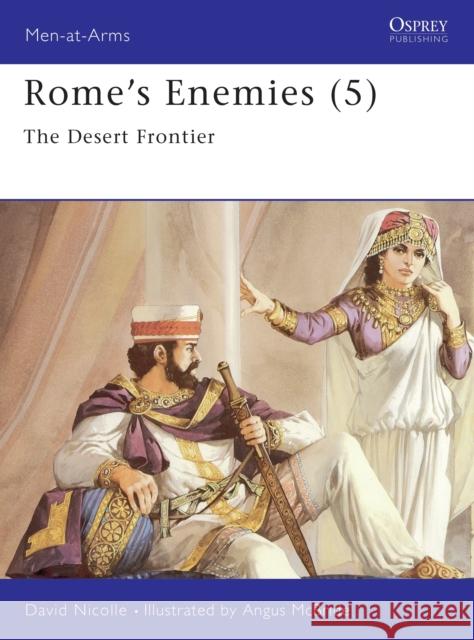
Rome's desert frontier was one where the Empire faced few dangers, for here relations were generally based on a mutual interest in trade across the frontier. Yet when Rome did clash with desert peoples, particularly those of Syria and Arabia, the mobility, fighting skills and ability to withdraw into an arid wilderness often gave the Arabs, Berbers and Sudanese an extra edge. This fascinating volume by David Nicolle explores the history and armies of Rome's enemies of the desert frontier. The author's fine text is accompanied by a wealth of illustrations and photographs, including eight...
Rome's desert frontier was one where the Empire faced few dangers, for here relations were generally based on a mutual interest in trade across the fr...
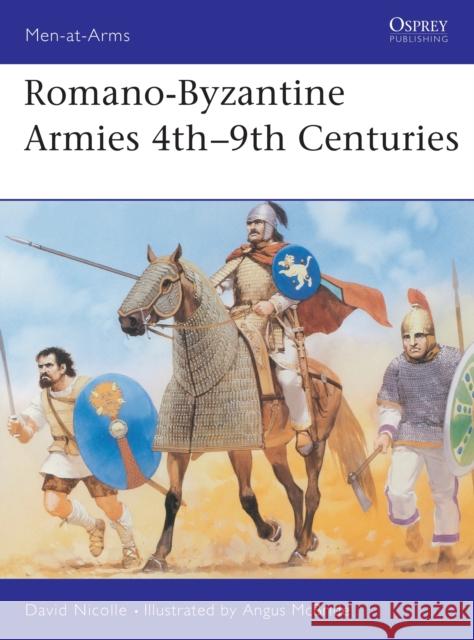
Although the Byzantine Empire was a continuation of the Roman Empire and faced similar military problems, its solutions were very different. In North Africa, for example, Rome's large army concentrated on securing main roads and urban centres. Byzantium's smaller army built more fortifications and took a defensive stance. The most striking characteristic of later Byzantine military thinking was, however, the theme or provincial army system, which owed nothing to ancient Roman tradition. With eight superb full colour plates by Angus McBride, and many other illustrations, David Nicolle examines...
Although the Byzantine Empire was a continuation of the Roman Empire and faced similar military problems, its solutions were very different. In North ...
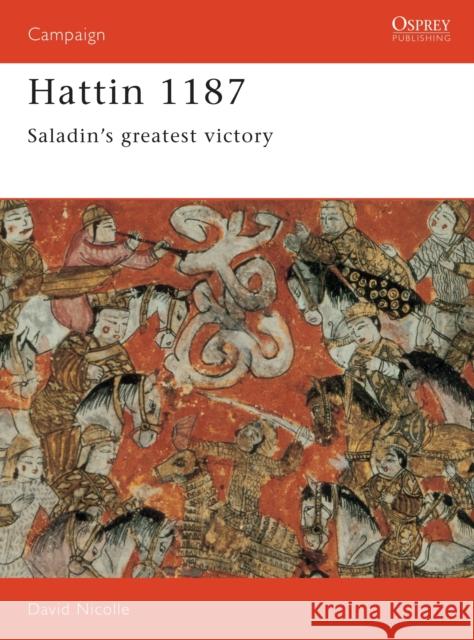
In 1187, Christian Europe was shaken by events in the Middle East. This volume tells the story of those momentous months - the campaign leading to the Muslim capture of Jerusalem after the disastrous Crusader defeat at Hattin where, in a two day running battle on the waterless plateau between Saffuriya and Tiberias, beneath a burning sun, Saladin's troops destroyed the Christian army. The disaster at Hattin resulted in the collapse of the kingdom of Jerusalem and sparked off the Third Crusade under Richard I 'Coeur de Lion'. This book examines Hattin in detail and looks at the consequences of...
In 1187, Christian Europe was shaken by events in the Middle East. This volume tells the story of those momentous months - the campaign leading to the...
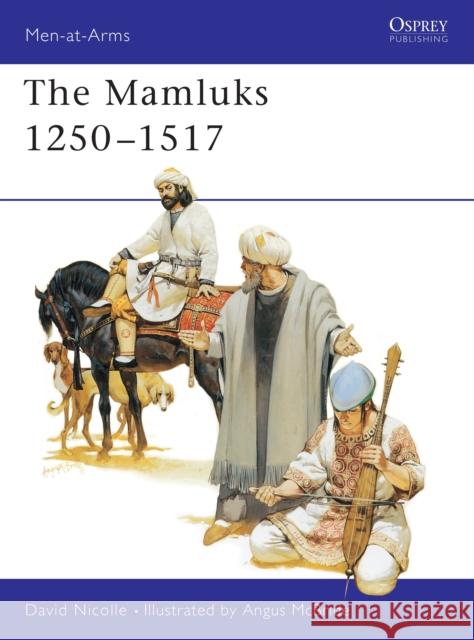
In Europe the Mamluks of Egypt are remembered as so-called 'Slave Kings' who drove out the Crusaders from the Holy Land; but they were far more than that. Though its frontiers barely changed, the Mamluk Sultanate remained a 'great power' for two and a half centuries. Its armies were the culmination of a military tradition stretching back to the 8th century, and provided a model for the early Ottoman Empire, whose own armies reached the gates of Vienna only twelve years after the Mamluks were overthrown. This absorbing text by David Nicolle explores the organisation and tactics of these...
In Europe the Mamluks of Egypt are remembered as so-called 'Slave Kings' who drove out the Crusaders from the Holy Land; but they were far more than t...
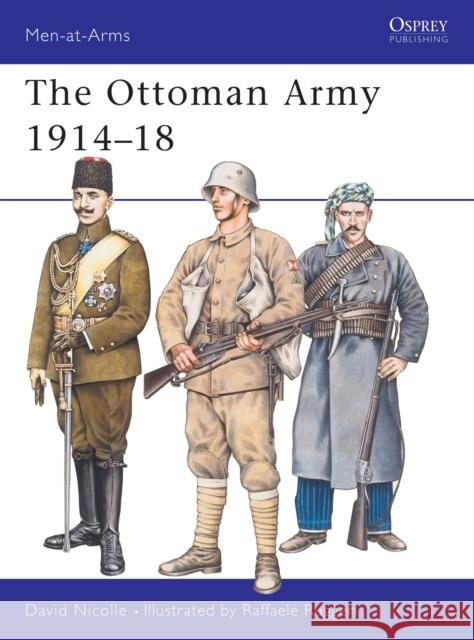
The Ottoman Turkish Empire was one of the leading protagonists of World War I, and the stolid courage of the individual Ottoman soldier was recognised by all. Yet the army in which he served is, like the Ottoman empire itself, generally little understood. Over the four years of the Great War, the Ottoman Army, Navy and two tiny air services fought on five major fronts, as well as seeing troops serve in many other war zones. This title takes a close look at the organisation, uniforms and equipment of the Ottoman Army during this period, and dispels the numerous myths that have surrounded the...
The Ottoman Turkish Empire was one of the leading protagonists of World War I, and the stolid courage of the individual Ottoman soldier was recognised...
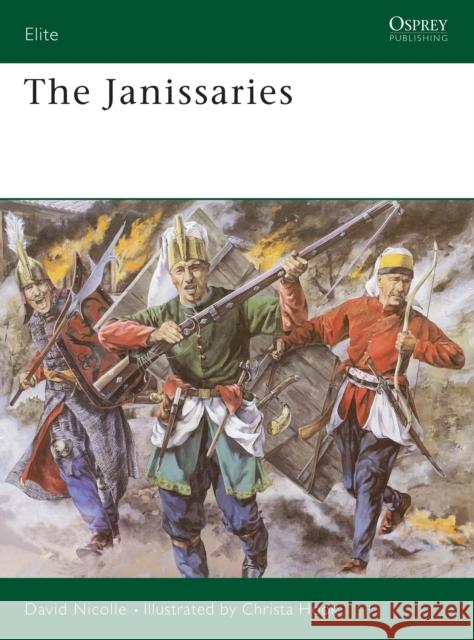
The Janissaries comprised an elite corps in the service of the Ottoman Empire. It was composed of war captives and Christian youths pressed into service; all of whom were converted to Islam and trained under the strictest discipline. In many ways, Jannisaries reflected Ottoman society, which was itself dominated by a military elite and where there was much greater social mobility than in Europe. On top of this, the Turks looked upon Europe much as the early Americans viewed the Western Frontier - as a land of adventure, mission and opportunity. David Nicolle examines the history,...
The Janissaries comprised an elite corps in the service of the Ottoman Empire. It was composed of war captives and Christian youths pressed into servi...
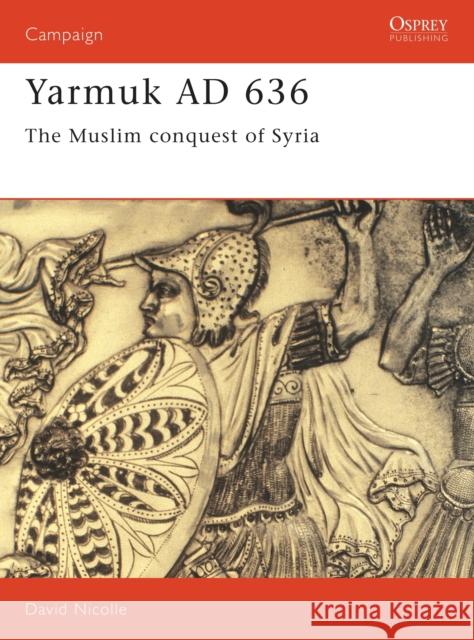
Osprey's Campaign title for one of the battles in which Muslims attempted to overtake Syria. In 636 AD, after protracted skirmishing and minor engagements the Arab and Byzantine armies faced each other on the banks of the Yarmuk river. The Byzantines were initially successful, driving back the Arab right wing. Finally, though, the Arab counter-attacks broke the Byzantine lines and the subsequent pursuit became a rout. The awful fate of the fleeing Byzantine soldiers was remembered for several generations until it was recorded in early Islamic histories. David Nicolle not only looks at the...
Osprey's Campaign title for one of the battles in which Muslims attempted to overtake Syria. In 636 AD, after protracted skirmishing and minor engagem...