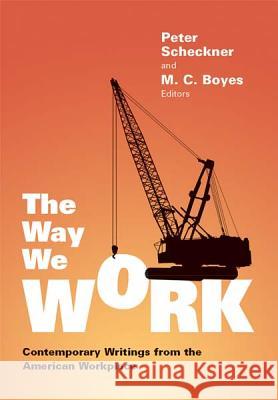
The Way We Work reveals that a seismic change has occurred in the workplace since the appearance in 1974 of Studs Terkel's Working. Terkel's subjects, despite their alienation, had a sense of themselves as workers and felt that in the workplace they were part of a community.The people Terkel interviewed were highly class conscious in a way that today seems radical and even anachronistic. By contrast, while some of the narrators in The Way We Work feel passionate about their work, others are barely conscious that they are -workers.- In transit from one job to another, some...
The Way We Work reveals that a seismic change has occurred in the workplace since the appearance in 1974 of Studs Terkel's Working. Terk...
The Way We Work reveals that a seismic change has occurred in the workplace since the appearance in 1974 of Studs Terkel's Working. Terkel's subjects, despite their alienation, had a sense of themselves as workers and felt that in the workplace they were part of a community.The people Terkel interviewed were highly class conscious in a way that today seems radical and even anachronistic. By contrast, while some of the narrators in The Way We Work feel passionate about their work, others are barely conscious that they are -workers.- In transit from one job to another, some...
The Way We Work reveals that a seismic change has occurred in the workplace since the appearance in 1974 of Studs Terkel's Working. Terk...
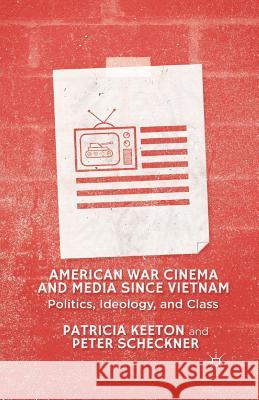
No other cinematic genre more sharply illustrates the contradictions of American society - notions about social class, politics, and socio-economic ideology - than the war film. This book examines the latest cycle of war films to reveal how they mediate and negotiate the complexities of war, class, and a military-political mission largely gone bad.
No other cinematic genre more sharply illustrates the contradictions of American society - notions about social class, politics, and socio-economic id...