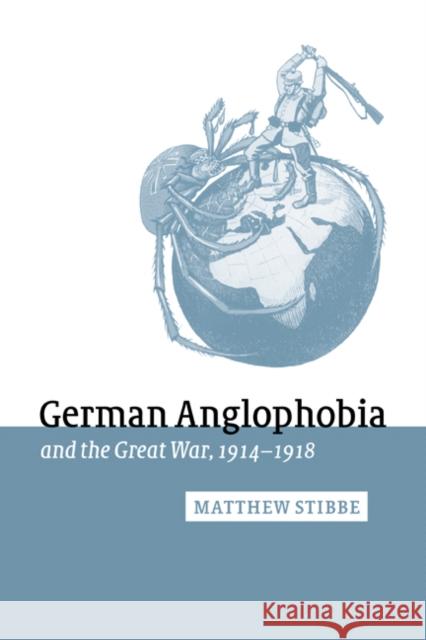
This major study of German attitudes toward England during the Great War, 1914-18, continues the story of Anglo-German antagonism where previous studies have ended. It shows how German propaganda sought to portray Britain as the main enemy of the German people, and focuses on the decision to launch unrestricted submarine warfare against Britain in January 1917, thus bringing the United States into the conflict. The book concludes by examining the contribution of anti-English feeling to the growth of right wing extremism in Germany after the war.
This major study of German attitudes toward England during the Great War, 1914-18, continues the story of Anglo-German antagonism where previous studi...
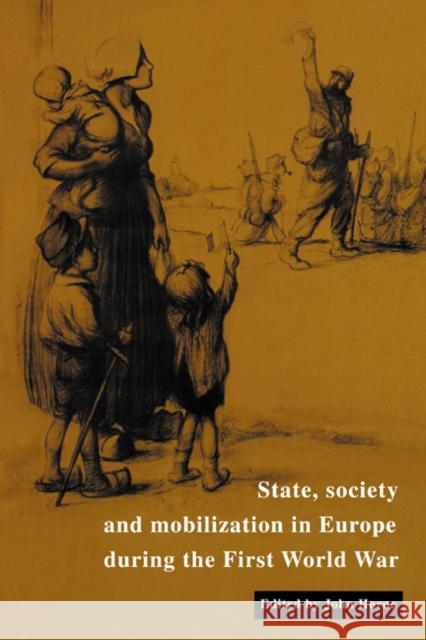
This is a volume of comparative essays on the First World War that focuses on one central feature: the political and cultural "mobilization" of the populations of the main belligerent countries in Europe behind the war. It explores how and why they supported the war for so long (as soldiers and civilians), why that support weakened in the face of the devastation of trench warfare, and why states with a stronger degree of political support and national integration (such as Britain and France) were ultimately successful.
This is a volume of comparative essays on the First World War that focuses on one central feature: the political and cultural "mobilization" of the po...
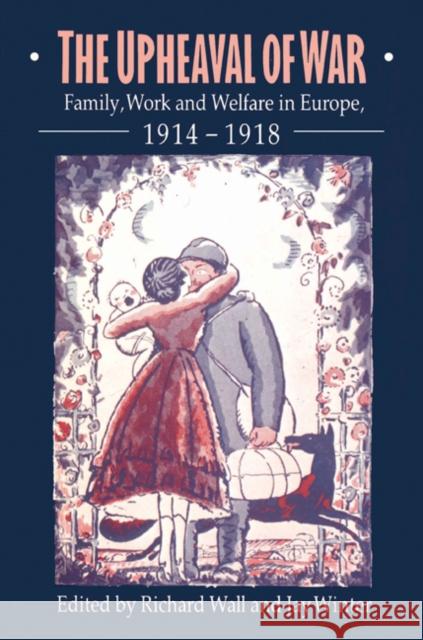
In a fully comparative, European context, this book offers a unique examination of the effects of the First World War on family life. The contributory essays, written by sixteen scholars in the field, focus primarily on the social, economic and ideological repercussions of the war. After a detailed study of living standards in wartime Europe, attention then turns to the ways in which the war affected women's work and how it affected the state's attitude to the family and encouraged the pro-natalist movements. The final section also considers broader speculations about the impact of war on...
In a fully comparative, European context, this book offers a unique examination of the effects of the First World War on family life. The contributory...
This is a volume of comparative essays on the First World War that focuses on one central feature: the political and cultural "mobilization" of the populations of the main belligerent countries in Europe behind the war. It explores how and why they supported the war for so long (as soldiers and civilians), why that support weakened in the face of the devastation of trench warfare, and why states with a stronger degree of political support and national integration (such as Britain and France) were ultimately successful.
This is a volume of comparative essays on the First World War that focuses on one central feature: the political and cultural "mobilization" of the po...
The years 1936-1945 in Spain saw catastrophic civil war followed by fierce repression and economic misery. Families were torn apart and social relations were disrupted by death, exile and defeat. This study attempts to show how the Civil War was understood and absorbed, particularly by those who could claim themselves as "the victors," during and in the immediate aftermath of the conflict, taking as its main focus the repression and violence of the period, and the role of Catholic and Fascist ideology.
The years 1936-1945 in Spain saw catastrophic civil war followed by fierce repression and economic misery. Families were torn apart and social relatio...
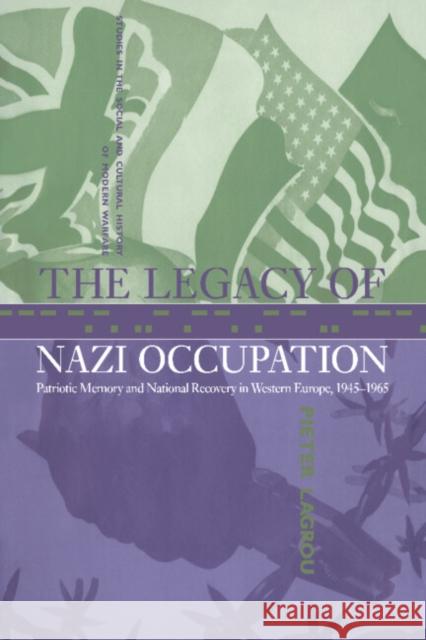
This book offers a comparative analysis of how postwar society dealt with the disruptive legacy of Nazi occupation in France, Belgium, and the Netherlands. It examines the postwar trajectories of resistance fighters, labor conscripts employed in Nazi Germany and victims of Nazi persecution and genocide. Their experiences were often incompatible with the patriotic narratives, aimed at restoring national pride and with the international context, requiring reconciliation with West Germany. In the conflict between memories of the war and the contingencies of the postwar political agenda lies a...
This book offers a comparative analysis of how postwar society dealt with the disruptive legacy of Nazi occupation in France, Belgium, and the Netherl...
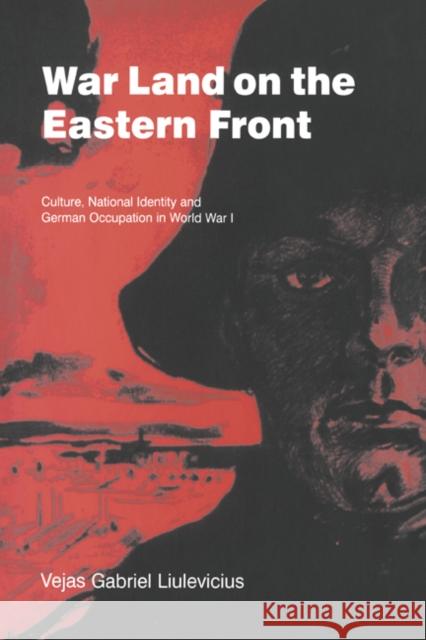
Vejas Gabriel Liulevicius presents a study of a hidden legacy of World War I: the experience of German soldiers on the Eastern front and the long-term effects of this encounter. Using hitherto neglected sources from both occupiers and occupied, official documents, propaganda, memoirs, and novels, he reveals how German views of the East changed during total war, and how these views affected the return of German armies under the Nazis. This persuasive and compelling study fills a yawning gap in the literature of the Great War.
Vejas Gabriel Liulevicius presents a study of a hidden legacy of World War I: the experience of German soldiers on the Eastern front and the long-term...
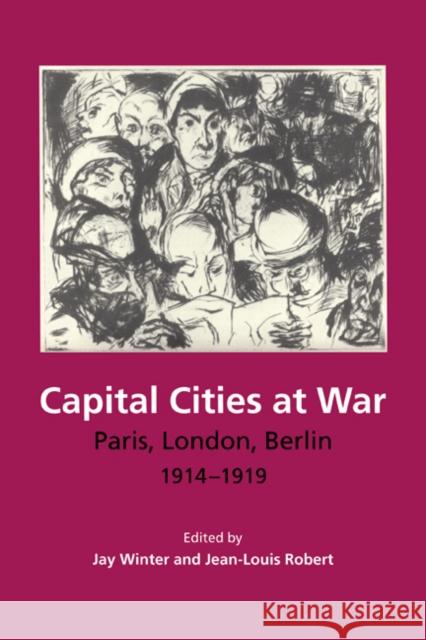
This ambitious volume marks a huge step in our understanding of the social history of the Great War. The authors have compiled a vast array of data and have drawn an original and coherent portrait of European cities at war. Contributors from several fields bring an interdisciplinary approach to the book, and represent the best of recent scholarship. One of the few truly comparative works on the Great War, this volume will transform social studies of the conflict and is likely to become a model for research.
This ambitious volume marks a huge step in our understanding of the social history of the Great War. The authors have compiled a vast array of data an...
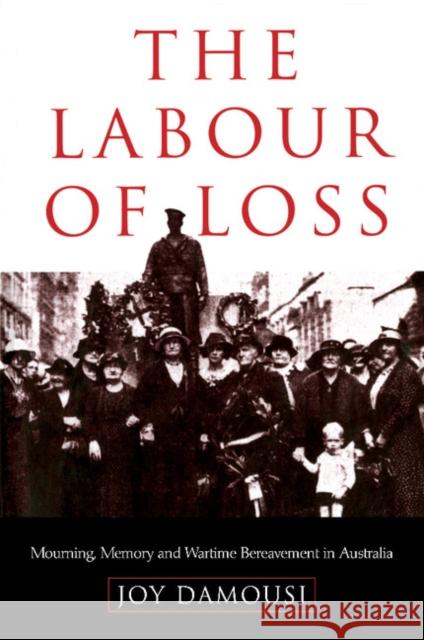
The Labour of Loss explores how mothers, fathers, widows, relatives and friends dealt with their experiences of grief and loss during and after the First and Second World Wars. Based on an examination of private loss through letters and diaries, this study makes a significant contribution to understanding how people came to terms with the deaths of friends and family. Unlike other studies in this area, The Labour of Loss considers how mourning affected men and women in different ways, and analyzes the gendered dimensions of grief.
The Labour of Loss explores how mothers, fathers, widows, relatives and friends dealt with their experiences of grief and loss during and after the Fi...
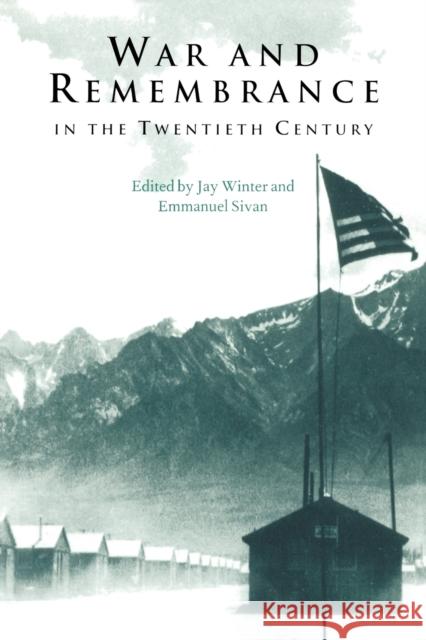
Drawing on material from Europe, America and the Middle East, leading scholars of twentieth century history address the issue of how wars, and the loss of life in wars, have been remembered collectively in the aftermath of conflicts such as the First and Second World Wars, the Spanish Civil War and the Algerian War. However, rather than focus on whole societies or ruling groups alone, this volume adopts a "social agency" approach to highlight the behavior of small groups and individuals who do the work of remembrance.
Drawing on material from Europe, America and the Middle East, leading scholars of twentieth century history address the issue of how wars, and the los...