Reference librarians are no longer expected to know much about the information they find; they are merely expected to find it. Technological competency rather than knowledge has become the order of the day. In many respects, reference service has become a matter of typing search terms into a library's online catalog or a web search engine and providing the patron with the results of the search. Calling for a re-intellectualization of reference librarianship, this book suggests another approach to providing quality reference service - reading. The authors surveyed both academic reference...
Reference librarians are no longer expected to know much about the information they find; they are merely expected to find it. Technological competenc...
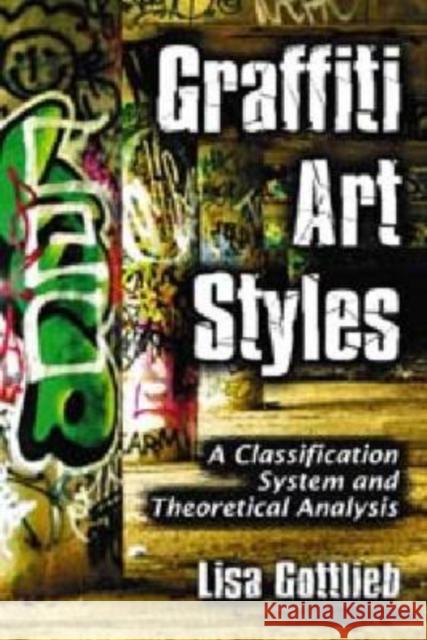
This book presents a classification system for graffiti art styles that reflects the expertise of graffiti writers and the work of art historian Erwin Panofsky. Based on Panofsky's theories of iconographical analysis, the classification model is designed to identify the style of a graffiti art piece through its visual characteristics. Tested by image cataloguers in archives, libraries, and museums, the system assists information professionals in identifying the iconic styles of graffiti art pieces. It also demonstrates the power of Panofsky's theories to provide access to non-representational...
This book presents a classification system for graffiti art styles that reflects the expertise of graffiti writers and the work of art historian Erwin...