A comprehensive account of the rise and fall of one of the major shapers of American foreign policy
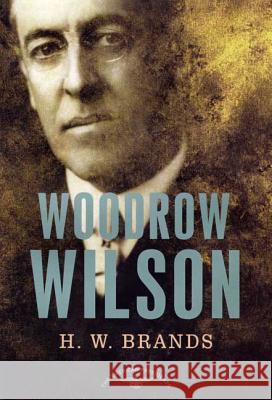
On the eve of his inauguration as President, Woodrow Wilson commented, "It would be the irony of fate if my administration had to deal chiefly with foreign affairs." As America was drawn into the Great War in Europe, Wilson used his scholarship, his principles, and the political savvy of his advisers to overcome his ignorance of world affairs and lead the country out of isolationism. The product of his efforts--his vision of the United States as a nation uniquely suited for...
A comprehensive account of the rise and fall of one of the major shapers of American foreign policy
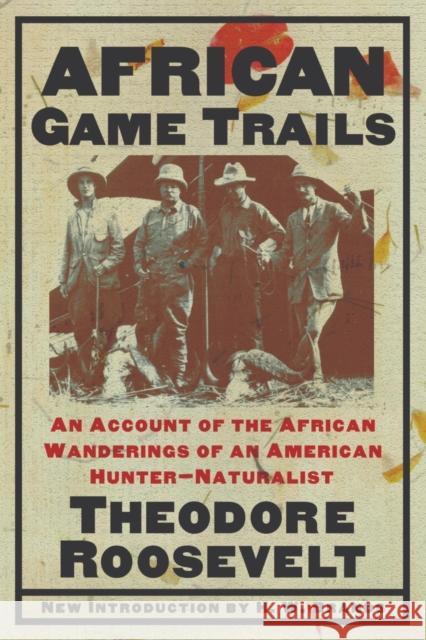
Ex-President and explorer Theodore Roosevelt recalls in his journal of a hunting trip in Africa the many animals he stalked and killed for the Smithsonian institution, and his meetings with East Africans.
Ex-President and explorer Theodore Roosevelt recalls in his journal of a hunting trip in Africa the many animals he stalked and killed for the Smithso...
American political scholarship has so focused on Vietnam that little attention has been paid to Johnson's foreign policy in other regions of the world. Recently some scholars have moved beyond Vietnam to examine other aspects of American dealings with the world during the Johnson years. In this volume, H. W. Brands has gathered the work of some of the most important of these scholars, not only addressing regions other than Vietnam but also asking important analytic questions about Johnson's foreign policies. - Robert Dallek, a Johnson biographer, evaluates the president as a world leader....
American political scholarship has so focused on Vietnam that little attention has been paid to Johnson's foreign policy in other regions of the world...
Rhetoric and history intersected dramatically during the Cold War, which was, above all else, a war of words. This volume, which combines the work of historians and communication scholars, examines the public discourse in Cold War America from a number of perspectives including how rhetoric shaped history and policies and how rhetorical images invited interpretations of history. The book opens with Norman Graebner's wideranging analysis of the rhetorical background of the Cold War. Frank Costigliola then parses Stalin's speech of February, 1946, an address that many in the West took as a...
Rhetoric and history intersected dramatically during the Cold War, which was, above all else, a war of words. This volume, which combines the work of ...
The end of the Cold War created a near-euphoria that nations might resort less to military force and that the Doomsday nuclear clock might stop short of midnight. Events soon dashed the higher of these hopes, but the nature of military force and the uses to which it might be put "did" appear to be changing. In this volume eleven leading scholars apply their particular expertise to understanding what (if anything) has changed and what has not, why the patterns are as they are, and just what the future might bring. Together, the authors address political, moral, and military factors in...
The end of the Cold War created a near-euphoria that nations might resort less to military force and that the Doomsday nuclear clock might stop short ...
The world runs on the U.S. dollar. From Washington to Beijing, governments, businesses, and individuals rely on the dollar to conduct commerce and invest profitably and safely--even after the global financial meltdown in 2008 revealed the potentially catastrophic cost of the dollar's hegemony. But how did the greenback achieve this planetary dominance a mere century and a half after President Lincoln issued the first currency backed only by the credit--and credibility--of the federal government?
In Greenback Planet, acclaimed historian H. W. Brands charts the dollar's...
The world runs on the U.S. dollar. From Washington to Beijing, governments, businesses, and individuals rely on the dollar to conduct commerce and ...
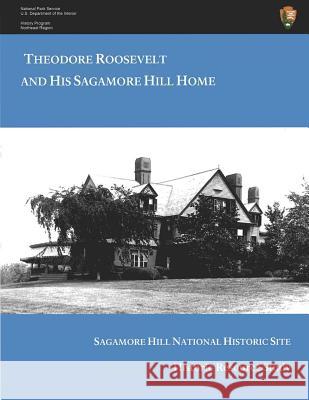
Sagamore Hill was the home of Theodore Roosevelt, 26th President of the United States, from 1885 until his death in 1919. During Roosevelt's time in office, his "Summer White House" was the focus of international attention. Sagamore Hill is a unit of the National Park System. This historic resource study focuses on Roosevelt's life at Sagamore Hill.
Sagamore Hill was the home of Theodore Roosevelt, 26th President of the United States, from 1885 until his death in 1919. During Roosevelt's time in o...