The original research papers in the volume provide a broad review of current approaches to the study of lithic technology from the Palaeolithic to the present. The contributions address both with analytical techniques and interpretive issues. Collectively, they increase our understanding of issues such as tool function, means of production, raw material sourcing and exchange systems, and the evolution of human cognition, social organization and symbolic behavior.
The original research papers in the volume provide a broad review of current approaches to the study of lithic technology from the Palaeolithic to the...
Whether done by Stone Age hunters or artisans in ancient civilizations, the transformation of resistant stone into useful implements required skills with a high level of sophistication. Because stone tools are durable, today we have a lithic record to explain past behavior and the evolution of culture over long spans. Interpretive and analytical approaches to the study of stone tools, however, are often treated as independent, disconnected specialties. "Works in Stone "provides a broad look at the field of lithic analysis by bringing together a cross section of recent research. Scholars...
Whether done by Stone Age hunters or artisans in ancient civilizations, the transformation of resistant stone into useful implements required skills w...
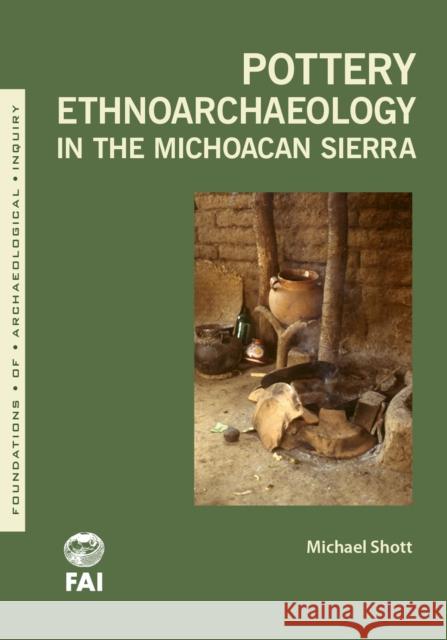
Although most ceramic studies describe vessel production and use, the causes and rates of pottery discard are often neglected in archaeological studies. Michael Shott presents analytical methods for determining pottery use life and demonstrates why use life should not be overlooked.
Although most ceramic studies describe vessel production and use, the causes and rates of pottery discard are often neglected in archaeological studie...