On a spring morning in 1914, in the stark foothills of southern Colorado, members of the United Mine Workers of America clashed with guards employed by the Rockefeller family, and a state militia beholden to Colorado's industrial barons. When the dust settled, nineteen men, women, and children among the miners' families lay dead. The strikers had killed at least thirty men, destroyed six mines, and laid waste to two company towns.
Killing for Coal offers a bold and original perspective on the 1914 Ludlow Massacre and the "Great Coalfield War." In a sweeping story of...
On a spring morning in 1914, in the stark foothills of southern Colorado, members of the United Mine Workers of America clashed with guards employe...
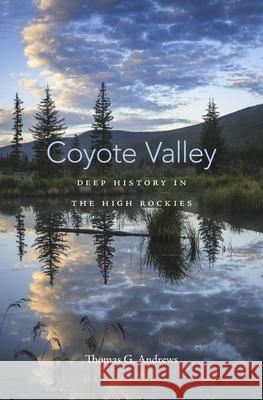
What can we learn from a high-country valley tucked into an isolated corner of Rocky Mountain National Park? In this pathbreaking book, Thomas Andrews offers a meditation on the environmental and historical pressures that have shaped and reshaped one small stretch of North America, from the last ice age to the advent of the Anthropocene and the latest controversies over climate change.
Large-scale historical approaches continue to make monumental contributions to our understanding of the past, Andrews writes. But they are incapable of revealing everything we need to know about the...
What can we learn from a high-country valley tucked into an isolated corner of Rocky Mountain National Park? In this pathbreaking book, Thomas Andr...