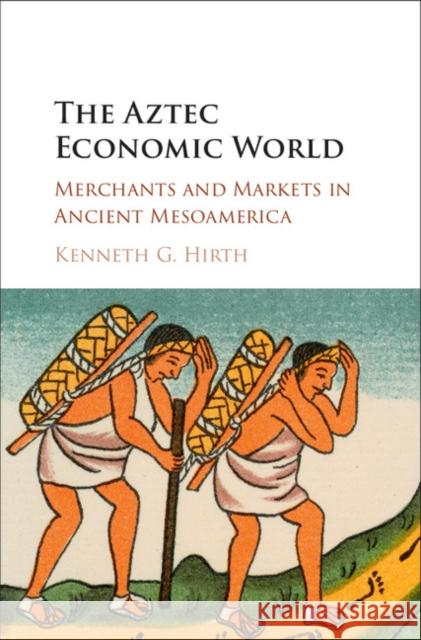
Any overview of prehispanic society in the Americas would identify its obsidian core-blade production as a unique and highly inventive technology. Normally termed prismatic blades, these long, parallel-sided flakes are among the sharpest cutting tools ever produced by humans. Their standardized form permitted interchangeable use, and such blades became the cutting tool of choice throughout Mesoamerica between 600 800 B.C. Because considerable production skill is required, increased demand may have stimulated the appearance of craft specialists who played an integral role in Mesoamerican...
Any overview of prehispanic society in the Americas would identify its obsidian core-blade production as a unique and highly inventive technology. ...
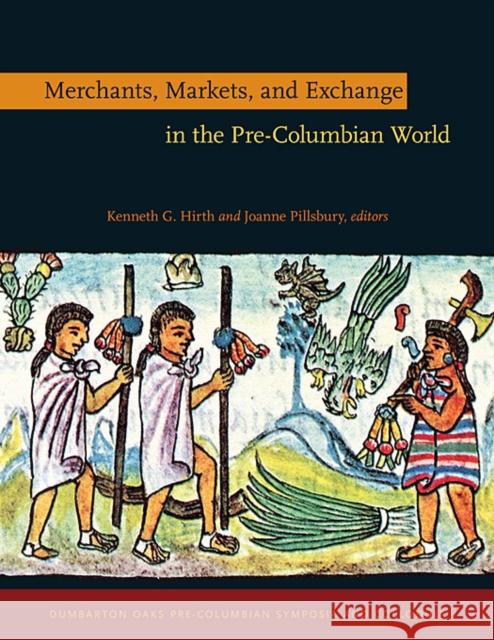
"Merchants, Markets, and Exchange in the Pre-Columbian World" examines the structure, scale, and complexity of economic systems in the pre-Hispanic Americas, with a focus on the central highlands of Mexico, the Maya Lowlands, and the central Andes. Civilization in each region was characterized by complex political and religious institutions, highly skilled craft production, and the long-distance movement of finished goods. Scholars have long focused on the differences in economic organization between these civilizations. Societies in the Mexican highlands are recognized as having a highly...
"Merchants, Markets, and Exchange in the Pre-Columbian World" examines the structure, scale, and complexity of economic systems in the pre-Hispanic Am...