The earliest Roman activity was associated with the Cad 50 establishment of the main road. Contemporary quarries and boundary ditches. Activity declined in the later Roman period and five 4th-century burials cut into a disused secondary road.
The earliest Roman activity was associated with the Cad 50 establishment of the main road. Contemporary quarries and boundary ditches. Activity declin...
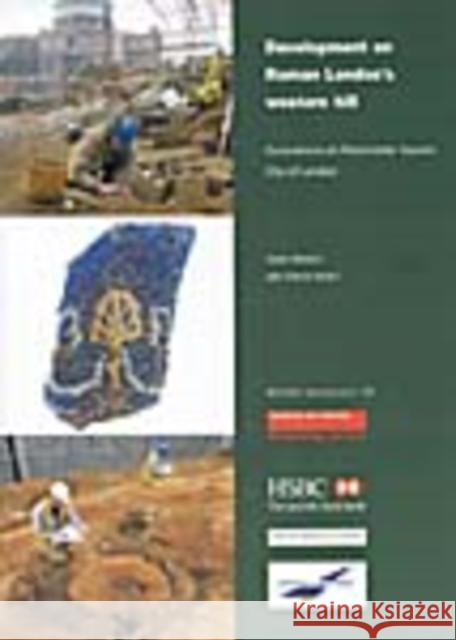
Two adjacent excavations in the City of London revealed new information about Roman and later development of an area which lay within the west part of the Roman town, directly north of the main east-west road (beneath modern Cheapside). The earliest Roman buildings may pre-date the Boudican fire of AD 60/61, although most date to the Flavian period, and were ranged along the street to the south. In the north of the study area, stone foundations may represent larger domestic properties located near the amphitheater. A subsidiary road built here consolidated the local infrastructure and a large...
Two adjacent excavations in the City of London revealed new information about Roman and later development of an area which lay within the west part of...
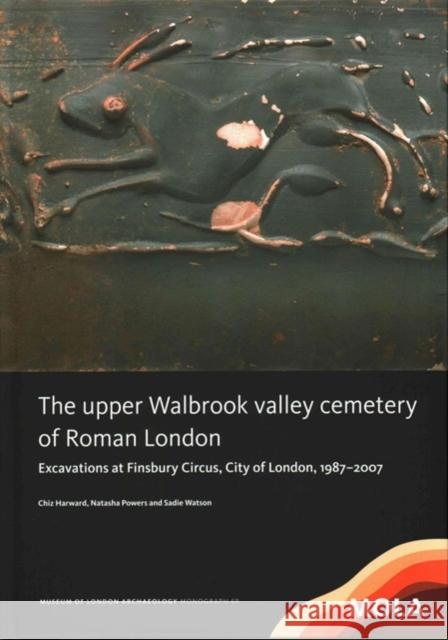
Six excavations (1987 2007) at Finsbury Circus on the north side of the City of London uncovered over 130 Romano-British burials, part of the upper Walbrook cemetery, to the west of the better-known northern cemetery (around Bishopsgate). Set within an area of marginal land, traversed by meandering tributary streams of the Walbrook, the cemetery provides intriguing insights into the management of burial space and attitudes to the dead, and a solution to one of the most intriguing problems of London s Roman archaeology the origin of the Walbrook skulls . The cemetery was in use by the end of...
Six excavations (1987 2007) at Finsbury Circus on the north side of the City of London uncovered over 130 Romano-British burials, part of the upper Wa...