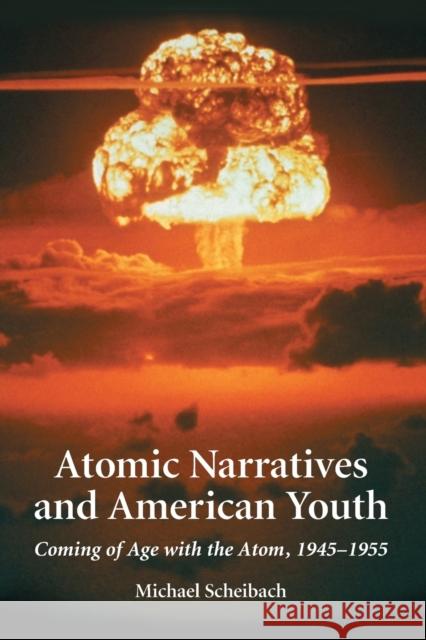
Following the atomic bombings of Hiroshima and Nagasaki, numerous atomic narratives - books, newspapers, magazines, textbooks, movies and television programs-addressed the implications of the bomb. Post-World War II youth encountered atomic narratives in their daily lives at school, at home and in their communities, and were profoundly affected by what they read and saw. This multidisciplinary study examines the exposure of American youth to atomic narratives during the ten years following World War II. In addition, it examines the broader social narrative of the atom, which included...
Following the atomic bombings of Hiroshima and Nagasaki, numerous atomic narratives - books, newspapers, magazines, textbooks, movies and television p...
With the very real possibility of nuclear war looming on the horizon from 1945 to the early 1960s, both federal and local governments took on the responsibility of educating Americans on how to survive the expected blasts, residual fallout, and radiation poisoning. Duck and cover drills, bomb shelters, and evacuation plans became an integral part of every citizen's daily life. This book provides a sampling of civil defense publications issued by government agencies and organizations during this era. Arranged thematically, the book includes sections covering the impact and power of the atomic...
With the very real possibility of nuclear war looming on the horizon from 1945 to the early 1960s, both federal and local governments took on the resp...
After the August 1945 atomic bombings of Hiroshima and Nagasaki and Japan's unconditional surrender, America's educational community quickly focused on preparing the younger generation for the atomic age. With the support of the federal government, elementary and secondary schools developed a curriculum known as "atomics," emphasizing the bomb's destructive power, peaceful applications of the atom and, most important, the need to control nuclear research. By the 1950s, with the Soviet Union's acquiring of the bomb, "atomics" expanded to include civil defense topics and activities, such as...
After the August 1945 atomic bombings of Hiroshima and Nagasaki and Japan's unconditional surrender, America's educational community quickly focused o...