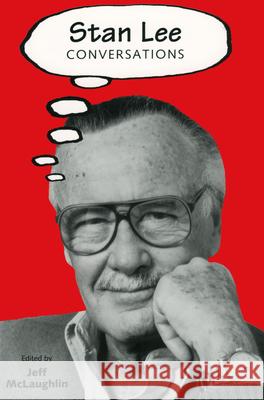
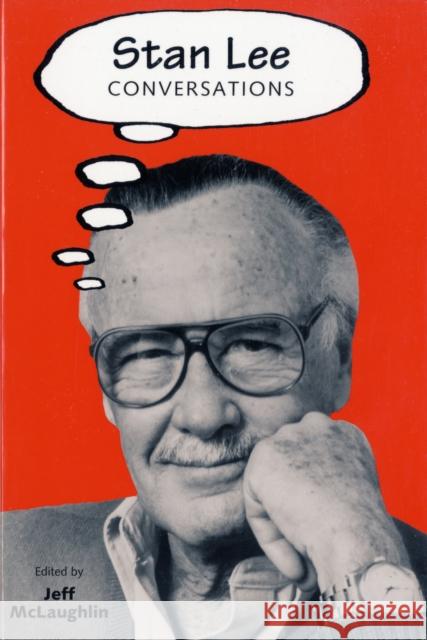
Stan Lee (b. 1922), cocreator of the Amazing Spider-Man, the Fantastic Four, the Incredible Hulk, and the Uncanny X-Men, is one of the most successful writers and publishers of comics. During the 1960s and 1970s, he wrote superhero adventures for Marvel Comics. His storylines imbued the genre with angst and contemporary politics and focused as much on the personal lives of his characters as on heroics. His work, in collaboration with cartoonists such as Jack Kirby and Steve Ditko, remains deeply influential. His role as a spokesperson and impresario for Marvel paved the way for the...
Stan Lee (b. 1922), cocreator of the Amazing Spider-Man, the Fantastic Four, the Incredible Hulk, and the Uncanny X-Men, is one of the most success...
Stan Lee (b. 1922), co-creator of The Amazing Spider-Man, The Fantastic Four, The Incredible Hulk, and The Uncanny X-Men, is one of the most successful writers and publishers of comics. During the 1960s and 1970s, he wrote superhero adventures for Marvel Comics. His storylines imbued the genre with angst and contemporary politics and focused as much on the personal lives of his characters as on heroics. His work, in collaboration with cartoonists such as Jack Kirby and Steve Ditko, remains deeply influential. His role as a spokesperson and impresario for Marvel...
Stan Lee (b. 1922), co-creator of The Amazing Spider-Man, The Fantastic Four, The Incredible Hulk, and The Uncanny X-Men
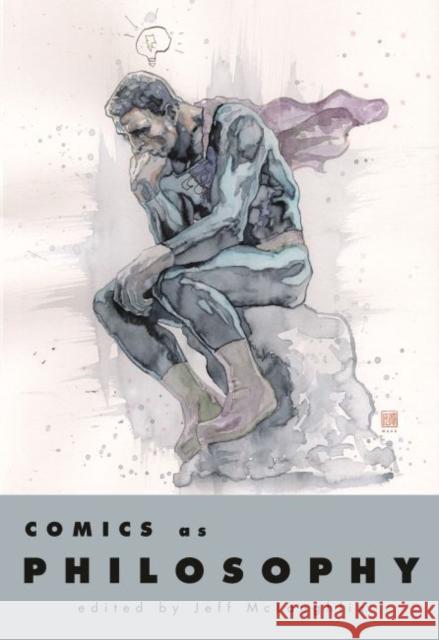
Through the combination of text and images, comic books offer a unique opportunity to explore deep questions about aesthetics, ethics, and epistemology in nontraditional ways. The essays in this collection focus on a wide variety of genres, from mainstream superhero comics, to graphic novels of social realism, to European adventure classics.
Included among the contributions are essays on existentialism in Daniel Clowes's graphic novel Ghost World, ecocriticism in Paul Chadwick's long-running Concrete series, and political philosophies in Herge's perennially popular The...
Through the combination of text and images, comic books offer a unique opportunity to explore deep questions about aesthetics, ethics, and epistemo...
Presented in a two-fold format, this book features the poignant stories of individuals who were transported to Theresienstadt, a ghetto and concentration camp used by the Nazis, as related by Holocaust survivor Vera Schiff, whose family was sent to the camp in 1942. Following each narrative, Schiff engages in a wide-ranging discussion with ethics professor Jeff McLaughlin regarding the events of the story.
Presented in a two-fold format, this book features the poignant stories of individuals who were transported to Theresienstadt, a ghetto and concentrat...
Contributions by Eric Bain-Selbo, Jeremy Barris, Maria Botero, Manuel "Mandel" Cabrera Jr., David J. Leichter, Ian MacRae, Alfonso Munoz-Corcuera, Corry Shores, and Jarkko S. Tuusvuori
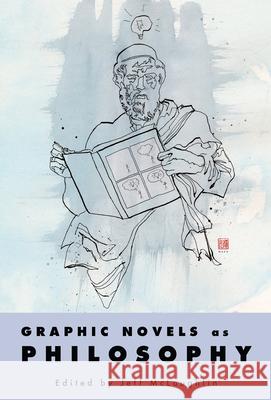
In a follow-up to Comics as Philosophy, international contributors address two questions: Which philosophical insights, concepts, and tools can shed light on the graphic novel? And how can the graphic novel cast light on the concerns of philosophy? Each contributor ponders a well-known graphic novel to illuminate ways in which philosophy can untangle particular combinations of image and written word...
Contributions by Eric Bain-Selbo, Jeremy Barris, Maria Botero, Manuel "Mandel" Cabrera Jr., David J. Leichter, Ian MacRae, Alfonso Munoz-Corcuera, ...