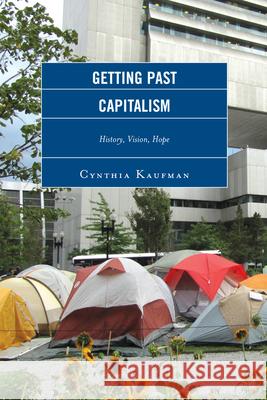
Getting Past Capitalism begins with a critique of the impacts of capitalism on human society and the environment. It looks in new ways at what capitalism is and at how it is reproduced. That investigation opens the door to fresh ways of looking at how to challenge it. Cynthia Kaufman looks at some fundamental questions about how capitalism comes to look like a system that is unbeatable, and how people come to have desires that work to reinforce capitalism. Kaufman uses this analysis to develop ideas about how to challenge capitalism. She argues that rather than looking for the fulcrum point...
Getting Past Capitalism begins with a critique of the impacts of capitalism on human society and the environment. It looks in new ways at what capital...
Exploring a wide range of political traditions including Marxism, anarchism, anti-imperialism, postmodernism, feminism, critical race theory, and environmentalism Cynthia Kaufman acknowledges the strengths and weaknesses of a variety of political movements and the ideologies inspired by or generated through them. Kaufman offers a coherent analysis without pretending to offer the final word on complex issues. Instead, she helps orient a critical understanding of the social world and a glimpse of the excitement and rewards of serious intellectual engagement with political ideas. Fully updated...
Exploring a wide range of political traditions including Marxism, anarchism, anti-imperialism, postmodernism, feminism, critical race theory, and envi...
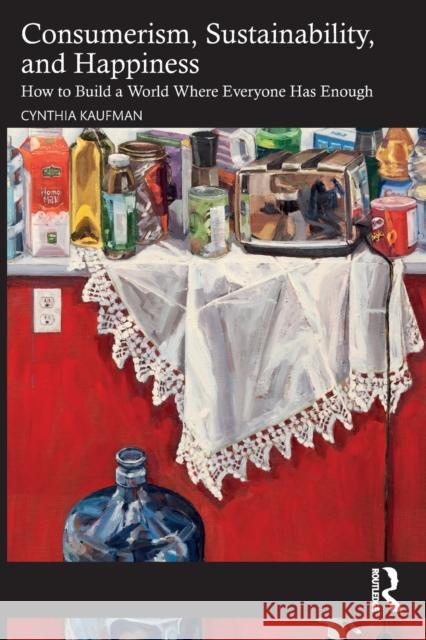
What would it take to have a world where everyone had enough? How can we eliminate poverty, leave enough for non-human nature, and increase wellbeing? This book explores ways the reader can live their life, engage with cultural change, and engage with policy making, to build that world.
What would it take to have a world where everyone had enough? How can we eliminate poverty, leave enough for non-human nature, and increase wellbeing?...
What would it take to have a world where everyone had enough? How can we eliminate poverty, leave enough for non-human nature, and increase wellbeing? This book explores ways the reader can live their life, engage with cultural change, and engage with policy making, to build that world.
What would it take to have a world where everyone had enough? How can we eliminate poverty, leave enough for non-human nature, and increase wellbeing?...