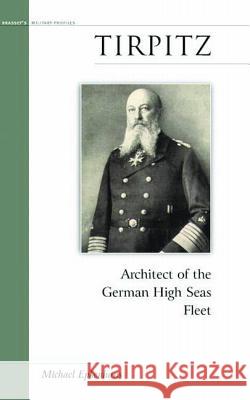
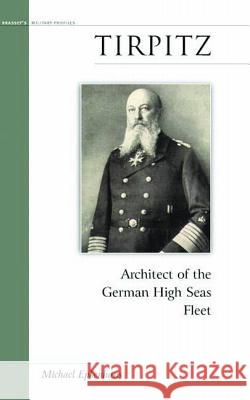
Alfred von Tirpitz (1849-1930), who joined the Prussian Navy in 1865 as a midshipman, was chiefly responsible for rapidly developing and enlarging the German Navy, especially the High Seas Fleet, from 1897 until the years immediately prior to the First World War. Epkenhans uses newly discovered documents to provide a fresh treatment of this important naval leader.
In 1897, Tirpitz became the Secretary of State of the Imperial Navy Department. In four major building acts of 1898, 1900, 1908, and 1912, and, in working closely with Kaiser Wilhelm II, Tirpitz expanded the Imperial...
Alfred von Tirpitz (1849-1930), who joined the Prussian Navy in 1865 as a midshipman, was chiefly responsible for rapidly developing and enlarging the...
Alfred von Tirpitz (1849-1930), who joined the Prussian Navy in 1865 as a midshipman, was chiefly responsible for rapidly developing and enlarging the German Navy, especially the High Seas Fleet, from 1897 until the years immediately prior to the First World War. Epkenhans uses newly discovered documents to provide a fresh treatment of this important naval leader.
In 1897, Tirpitz became the Secretary of State of the Imperial Navy Department. In four major building acts of 1898, 1900, 1908, and 1912, and, in working closely with Kaiser Wilhelm II, Tirpitz expanded the Imperial...
Alfred von Tirpitz (1849-1930), who joined the Prussian Navy in 1865 as a midshipman, was chiefly responsible for rapidly developing and enlarging the...
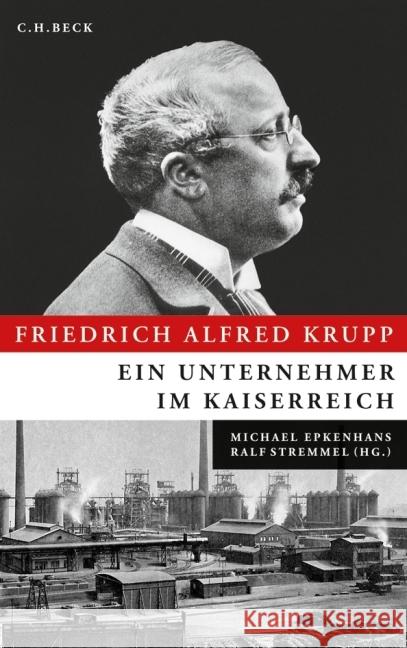
Friedrich Alfred Krupp war der bedeutendste deutsche Industrielle an der Wende vom 19. zum 20. Jahrhundert und der reichste Mann Deutschlands. Gleichwohl hat er bis heute keinen Biographen gefunden. Dieses Buch geht dem Leben des Unternehmers nach, seiner Rolle in Politik, Wirtschaft und Rüstung, aber auch seiner Tätigkeit als Mäzen und Stifter sowie seiner Arbeit als Naturwissenschaftler. §Wer war dieser Mann, der meist nur als "unglücklicher" Sohn Alfred Krupps wahrgenommen wird oder als egoistischer "Händler des Todes", der seine Beziehungen zu Kaiser Wilhelm II. ausnutzte, um...
Friedrich Alfred Krupp war der bedeutendste deutsche Industrielle an der Wende vom 19. zum 20. Jahrhundert und der reichste Mann Deutschlands. Gleichw...
Am 31. Mai 1916 trafen vor dem Skagerrak die deutsche Hochseeflotte und die britische Grand Fleet aufeinander. Gemessen an eingesetztem Personal und Material sollte die sich bis in den 1. Juni hineinziehende Schlacht zu der grossten konventionellen Seeschlacht werden, bis heute allenfalls ubertroffen durch die See-Luftschlachten wahrend des Zweiten Weltkrieges. Ungeachtet des von beiden Seiten aufgebotenen gewaltigen Potenzials beeinflussten weder Schlachtgeschehen noch Remis als Ergebnis den Verlauf des Ersten Weltkrieges. Vielmehr bestatigte der Ausgang der Schlacht die seit Kriegsbeginn...
Am 31. Mai 1916 trafen vor dem Skagerrak die deutsche Hochseeflotte und die britische Grand Fleet aufeinander. Gemessen an eingesetztem Personal und M...
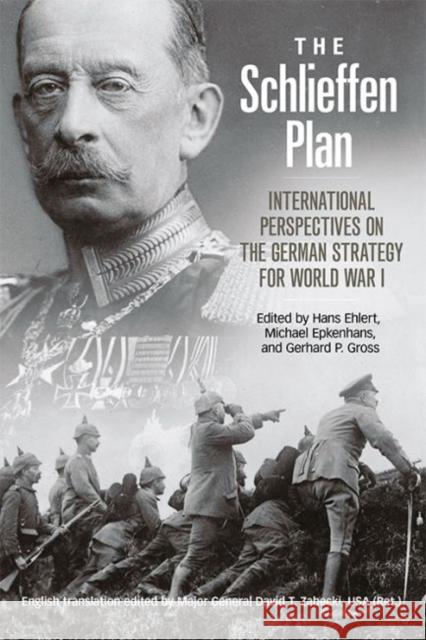
With the creation of the Franco-Russian Alliance and the failure of the Reinsurance Treaty in the late nineteenth century, Germany needed a strategy for fighting a two-front war. In response, Field Marshal Count Alfred von Schlieffen produced a study that represented the apex of modern military planning. His Memorandum for a War against France, which incorporated a mechanized cavalry as well as new technologies in weaponry, advocated that Germany concentrate its field army to the west and annihilate the French army within a few weeks. For generations, historians have considered...
With the creation of the Franco-Russian Alliance and the failure of the Reinsurance Treaty in the late nineteenth century, Germany needed a strateg...
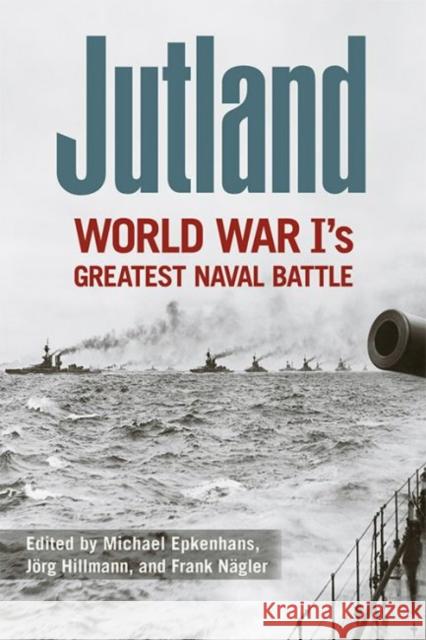
During the first two years of World War I, Germany struggled to overcome a crippling British blockade of its mercantile shipping lanes. With only sixteen dreadnought-class battleships compared to the renowned British Royal Navy's twenty-eight, the German High Seas Fleet stood little chance of winning a direct fight. The Germans staged raids in the North Sea and bombarded English coasts in an attempt to lure small British squadrons into open water where they could be destroyed by submarines and surface boats. After months of skirmishes, conflict erupted on May 31, 1916, in the North Sea...
During the first two years of World War I, Germany struggled to overcome a crippling British blockade of its mercantile shipping lanes. With only s...