In 1941, Franklin Delano Roosevelt identified -four essential human freedoms.- Three of these--freedom from fear, freedom of speech, and freedom of religion--had long been understood as defining principles of liberalism. Roosevelt's fourth freedom--freedom from want--was not. Indeed, classic liberals had argued that the only way to guarantee this freedom would be through an illiberal redistribution of wealth. In Freedom from Want, Kathleen G. Donohue describes how, between the 1880s and the 1940s, American intellectuals transformed classical liberalism into its modern American...
In 1941, Franklin Delano Roosevelt identified -four essential human freedoms.- Three of these--freedom from fear, freedom of speech, and freedom of...
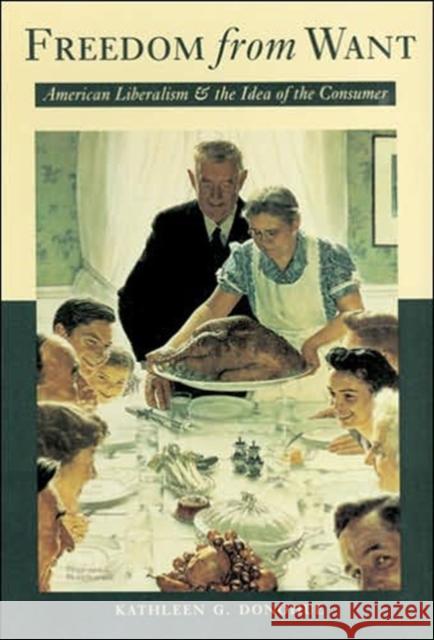
In 1941, Franklin Delano Roosevelt identified -four essential human freedoms.- Three of these--freedom from fear, freedom of speech, and freedom of religion--had long been understood as defining principles of liberalism. Roosevelt's fourth freedom--freedom from want--was not. Indeed, classic liberals had argued that the only way to guarantee this freedom would be through an illiberal redistribution of wealth. In Freedom from Want, Kathleen G. Donohue describes how, between the 1880s and the 1940s, American intellectuals transformed classical liberalism into its modern American...
In 1941, Franklin Delano Roosevelt identified -four essential human freedoms.- Three of these--freedom from fear, freedom of speech, and freedom of...