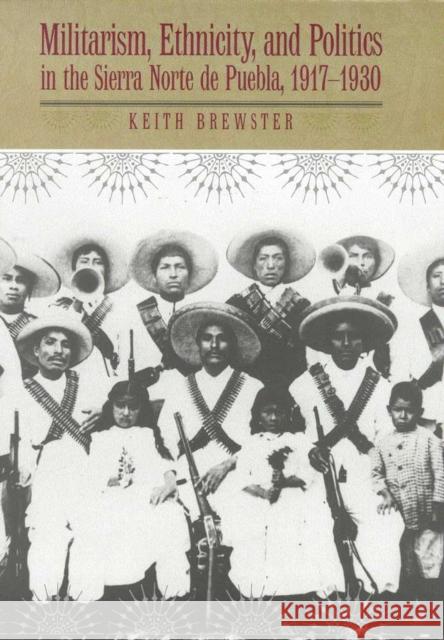
In the wake of the Mexican Revolution, citizens in many parts of Mexico experienced turbulent and uncertain times. This book tells the story of how the people of the Sierra Norte de Puebla emerged from those traumatic years and came to terms with the many challenges facing them in the decade that followed. It also examines the phenomenon of caciquismo in the postrevolutionary period as seen in the career of one powerful individual.
Gabriel Barrios Cabrera, leader of the Brigada Serrana, rose from rural obscurity in the tiny village of Cuacuila to a position of unprecedented...
In the wake of the Mexican Revolution, citizens in many parts of Mexico experienced turbulent and uncertain times. This book tells the story o...
Mexico City's staging of the 1968 Olympic Games should have been a pinnacle in Mexico's post-revolutionary development: a moment when a nation at ease with itself played proud host to a global celebration of youthful vigour. Representing the Nation argues, however, that from the moment that the city won the bid, the Mexican elite displayed an innate lack of trust in their countrymen. Beautification of the capital city went beyond that expected of a host. It included the removal of undesirables from sight and the sponsorship of public information campaigns designed to teach...
Mexico City's staging of the 1968 Olympic Games should have been a pinnacle in Mexico's post-revolutionary development: a moment when a nation at e...