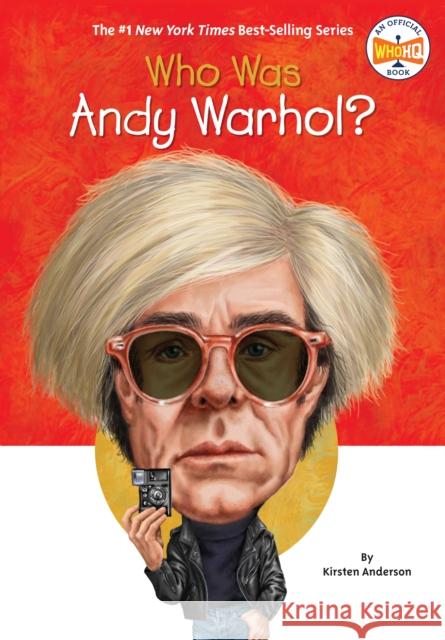
Best known for his screen prints of soup cans and movie stars, this shy young boy from Pittsburgh shot to fame with his radical ideas of what "art" could be. Working in the aptly named "Factory," Warhol's paintings, movies, and eccentric lifestyle blurred the lines between pop culture and art, ushering in the Pop Art movement and, with it, a national obsession. Who Was Andy Warhol? tells the story of an enigmatic man who grew into a cultural icon.
Best known for his screen prints of soup cans and movie stars, this shy young boy from Pittsburgh shot to fame with his radical ideas of what "art" co...
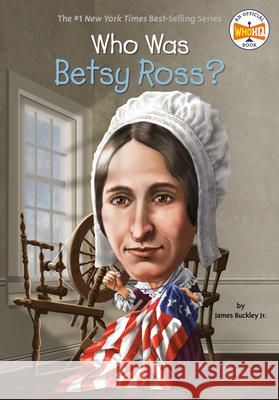
Born the eighth of seventeen children in Philadelphia, Betsy Ross lived in a time when the American colonies were yearning for independence from British rule. Ross worked as a seamstress and was eager to contribute to the cause, making tents and repairing uniforms when the colonies declared war. By 1779 she was filling cartridges for the Continental Army. Did she sew the first flag? That's up for debate, but Who Was Betsy Ross? tells the story of a fierce patriot who certainly helped create the flag of a new nation.
Born the eighth of seventeen children in Philadelphia, Betsy Ross lived in a time when the American colonies were yearning for independence from Briti...
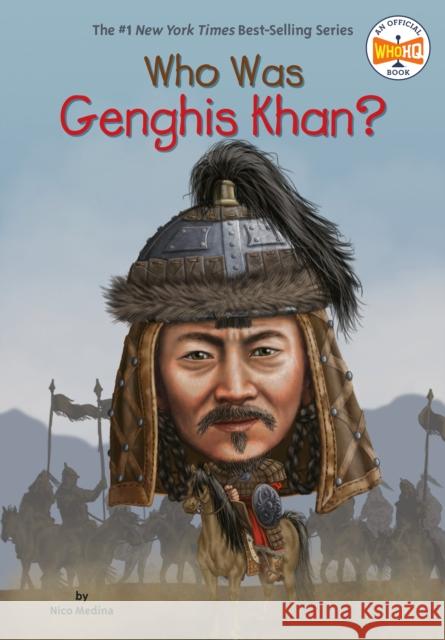
Named Temujin at birth by his nomadic family in early Mongolia, the great Genghis Khan used his skill and cunning to create the Mongol Empire and conquer almost the entire continent of Asia. As ruler of the largest empire in human history, he was as respected as he was feared. Learn more about the man and the legend in Who Was Genghis Khan?
Named Temujin at birth by his nomadic family in early Mongolia, the great Genghis Khan used his skill and cunning to create the Mongol Empire and conq...
Patricia Brennan Demuth John O'Brien Nancy Harrison
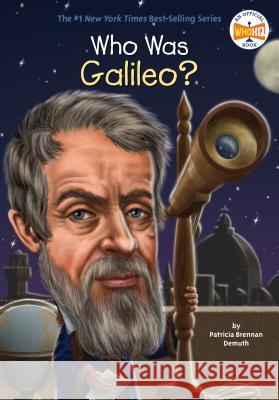
Galileo is another Renaissance great known just by his first name. A name that is synonymous with scientific achievement. Born in Italy, in the sixteenth century, Galileo contributed to the era's great rebirth of knowledge. He invented a telescope with which he was able to observe the heavens.
Galileo is another Renaissance great known just by his first name. A name that is synonymous with scientific achievement. Born in Italy, in the sixtee...
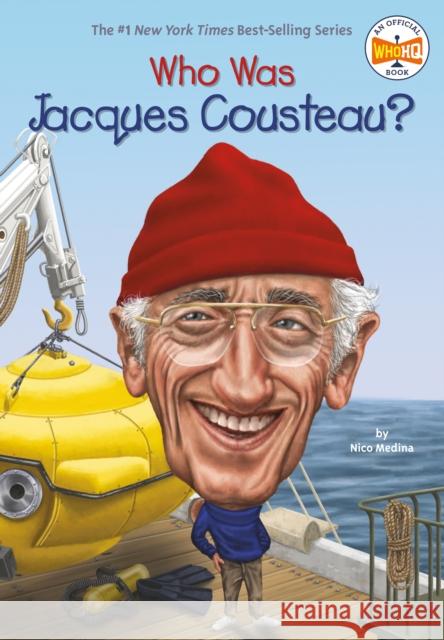
Jacques Cousteau is the most famous and beloved name in the world of deep-sea exploration. Cousteau discovered his passion in 1938, when he first used a pair of goggles to dive off the coast of France. During his time as a French naval officer, he carried out many deep-sea experiments and improved upon early diving equipment. Soon, Cousteau began filming his underwater excursions and offering the world a glimpse below the surface. The documentary television series The Undersea World of Jacques Cousteau made the man, his work, and his red cap famous throughout the world.
Jacques Cousteau is the most famous and beloved name in the world of deep-sea exploration. Cousteau discovered his passion in 1938, when he first used...
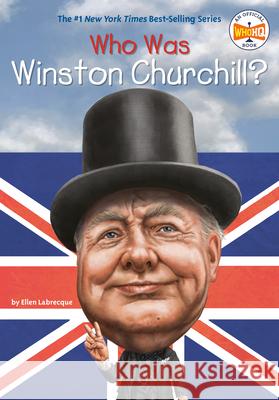
Born into aristocracy, Churchill cut his teeth as a young army officer in British India, the Sudan, and the Second Boer War. He rose in the ranks to First Lord of the Admiralty and was a staunch opponent of the encroaching German Nazis. Churchill served as Prime Minister of the United Kingdom from 1940 to 1945 and again from 1951 to 1955. Widely regarded as one of the greatest wartime leaders of the 20th century, Churchill was also a historian, a writer, and an artist. He is the only British Prime Minister to have won the Nobel Prize in Literature, and was the first person to be made an...
Born into aristocracy, Churchill cut his teeth as a young army officer in British India, the Sudan, and the Second Boer War. He rose in the ranks to F...
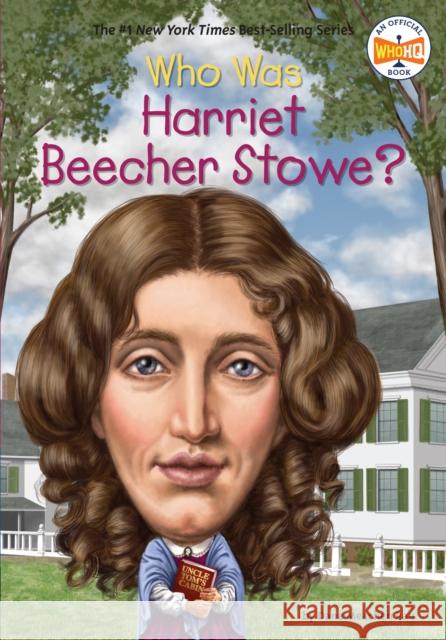
Born in Connecticut in 1811, Harriet Beecher Stowe was an abolitionist, author, and playwright. Slavery was a major industry in the American South, and Stowe worked with the Underground Railroad to help escaped slaves head north towards freedom. The publication of her book, Uncle Tom's Cabin, a scathing anti-slavery novel, fanned the flames that started the Civil War. The book's emotional portrayal of the impact of slavery captured the nation's attention. A best-seller in its time, Uncle Tom's Cabin sealed Harriet Beecher Stowe's reputations as one of the most influential...
Born in Connecticut in 1811, Harriet Beecher Stowe was an abolitionist, author, and playwright. Slavery was a major industry in the American South, an...
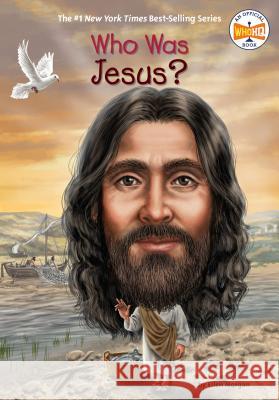
This fascinating addition to the best-selling Who Was...? series does not settle questions of theology. Instead, it presents young readers with a biography that covers what is known historically about Jesus and places in his life in the context of his world when Jerusalem was part of the Roman Empire. In an even-handed and easy-to-read narrative, this title--illustrated with eighty black-and-white drawings--also explains the early origins of Christianity and how it became a major religion.
This fascinating addition to the best-selling Who Was...? series does not settle questions of theology. Instead, it presents young readers with a biog...
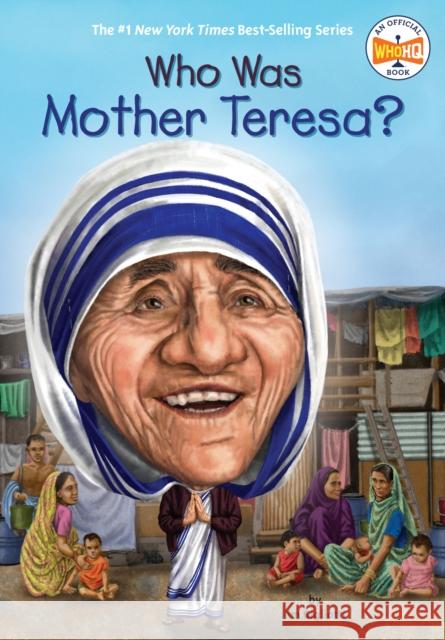
Born a humble girl in what is now Albania, Agnes Bojaxhiu lived a charitable life. She pledged herself to a religious order at the age of 18 and chose the name Sister Teresa, after the patron saint of missionaries. While teaching in India, where famine and violence had devastated the poor, Teresa shed her habit and walked the streets of Calcutta tending to the needs of the destitute. Her charity work soon expanded internationally, and her name remains synonymous with compassion and devotion to the poor.
Born a humble girl in what is now Albania, Agnes Bojaxhiu lived a charitable life. She pledged herself to a religious order at the age of 18 and chose...
Born into wealth in 1860's London, Beatrix Potter always had a vivid imagination. Her early interests included natural history and archaeology, and Potter delighted in sketching fossils and fungi. After briefly illustrating Christmas cards with her brother, Bertram, Potter wrote and illustrated her well-known book, The Tale of Peter Rabbit. The book was rejected by several publishes until Frederick Warne eventually took a risk and published the story in 1902 - a risk that paid off. Peter Rabbit was a huge success and readers loved hearing about Peter's mischevious adventures in...
Born into wealth in 1860's London, Beatrix Potter always had a vivid imagination. Her early interests included natural history and archaeology, and Po...