The state of being called nostalgia has a history fraught with ambiguity and poetical connotation. In the late 17th century, nostalgic reminiscences were thought to be the symptoms of a deadly disease that shook one's mind and body. Today, we view nostalgia not as a medical condition, but as a bittersweet recollection of one's past joys and sorrows--the memories and treasures of an earlier self. And yet, there remains a category of individuals for whom such recollection can be seriously problematic: immigrants. In Yesterday's Self, Andreea Ritivoi explores the philosophical and historical...
The state of being called nostalgia has a history fraught with ambiguity and poetical connotation. In the late 17th century, nostalgic reminiscences w...
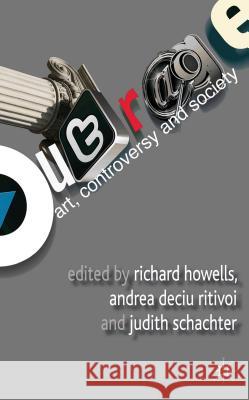
Richard Howells Andreea Deciu Ritivoi Judith Schachter
A study of controversy in the arts, and the extent to which such controversies are socially rather than just aesthetically conditioned. The collection pays special attention to the vested interests and the social dynamics involved, including class, religion, culture, and - above all - power.
A study of controversy in the arts, and the extent to which such controversies are socially rather than just aesthetically conditioned. The collection...
Hannah Arendt, Herbert Marcuse, Alexander Solzhenitsyn, and Edward Said each steered major intellectual and political schools of thought in American political discourse after World War II, yet none of them was American, which proved crucial to their ways of arguing and reasoning both in and out of the American context. In an effort to convince their audiences they were American enough, these thinkers deployed deft rhetorical strategies that made their cosmopolitanism feel acceptable, inspiring radical new approaches to longstanding problems in American politics. Speaking like natives, they...
Hannah Arendt, Herbert Marcuse, Alexander Solzhenitsyn, and Edward Said each steered major intellectual and political schools of thought in American p...