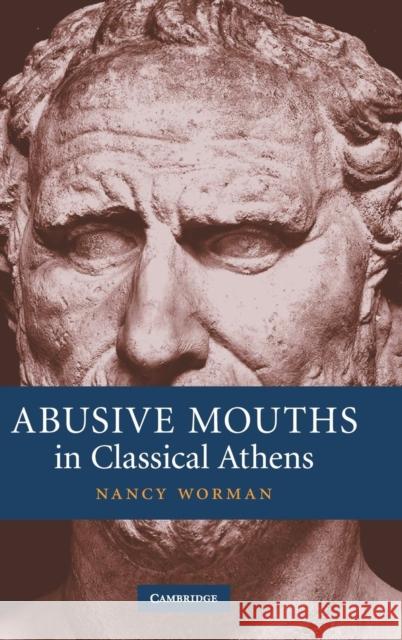
This study of the language of insult charts abuse in classical Athenian literature that centres on the mouth and its appetites, especially talking, eating, drinking, and sexual activities. Attic comedy, Platonic dialogue, and fourth-century oratory often deploy insulting depictions of the mouth and its excesses in order to deride professional speakers as sophists, demagogues, and women. Although the patterns of imagery explored are very prominent in ancient invective and later western literary traditions, this is the first book to discuss this phenomenon in classical literature. It responds...
This study of the language of insult charts abuse in classical Athenian literature that centres on the mouth and its appetites, especially talking, ea...
Well before Aristotle's Rhetoric elucidated the elements of verbal style that give writing its persuasive power, Greek poets and prose authors understood the importance of style in creating compelling characters to engage an audience. And because their works were composed in predominantly oral settings, their sense of style included not only the characters' manner of speaking, but also their appearance and deportment. From Homeric epic to classical tragedy and oratory, verbal and visual cues work hand-in-hand to create distinctive styles for literary characters.
In this...
Well before Aristotle's Rhetoric elucidated the elements of verbal style that give writing its persuasive power, Greek poets and prose...
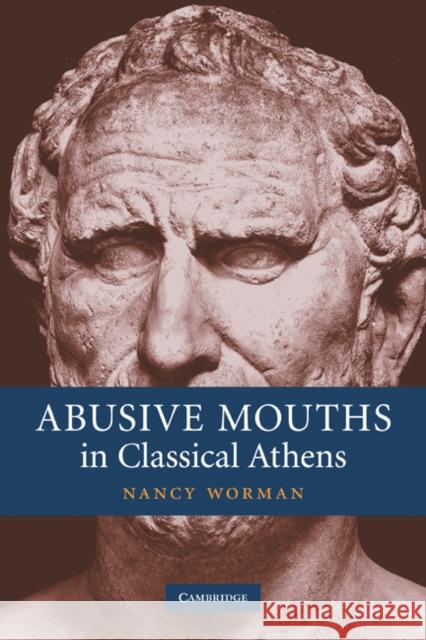
This study of the language of insult charts abuse in classical Athenian literature that centres on the mouth and its appetites, especially talking, eating, drinking, and sexual activities. Attic comedy, Platonic dialogue, and fourth-century oratory often deploy insulting depictions of the mouth and its excesses in order to deride professional speakers as sophists, demagogues, and women. Although the patterns of imagery explored are very prominent in ancient invective and later western literary traditions, this is the first book to discuss this phenomenon in classical literature. It responds...
This study of the language of insult charts abuse in classical Athenian literature that centres on the mouth and its appetites, especially talking, ea...
Landscape and place are currently important topics in the study of classical literature. This volume examines how ancient Greeks of the archaic and classical period used geography in literary contexts, and how the representation of place in texts can be linked to contemporary social practices. The contributors explore how the Greeks related to the spaces and places around them and how they invested these places with meaning. They use examples from key texts in ancient Greek literature and treat a variety of textual places, from the intimate to the expansive, including the bedroom, ritual...
Landscape and place are currently important topics in the study of classical literature. This volume examines how ancient Greeks of the archaic and cl...