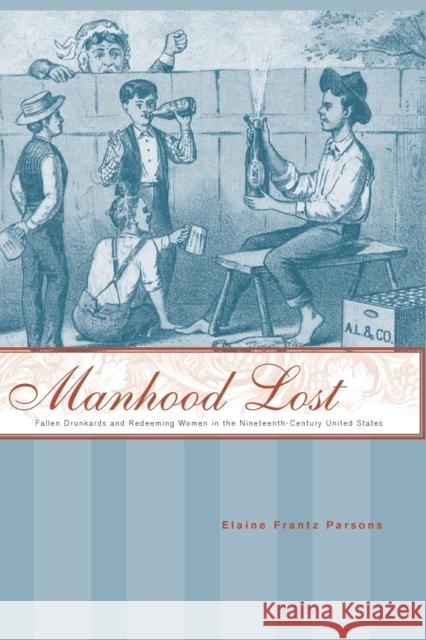
In fiction, drama, poems, and pamphlets, nineteenth-century reformers told the familiar tale of the decent young man who fell victim to demon rum: Robbed of his manhood by his first drink, he slid inevitably into an abyss of despair and depravity. In its discounting of the importance of free will, argues Elaine Frantz Parsons, this story led to increased emphasis on environmental influences as root causes of drunkenness, poverty, and moral corruption--thus inadvertently opening the door to state intervention in the form of Prohibition.
Parsons also identifies the emergence of a...
In fiction, drama, poems, and pamphlets, nineteenth-century reformers told the familiar tale of the decent young man who fell victim to demon rum: ...
The first comprehensive examination of the nineteenth-century Ku Klux Klan since the 1970s, Ku-Klux pinpoints the group's rise with startling acuity. Shedding new light on the ideas that motivated the Klan, Parsons book offers the definitive account of the rise of the Ku Klux Klan during Reconstruction.
The first comprehensive examination of the nineteenth-century Ku Klux Klan since the 1970s, Ku-Klux pinpoints the group's rise with startling acuity. ...