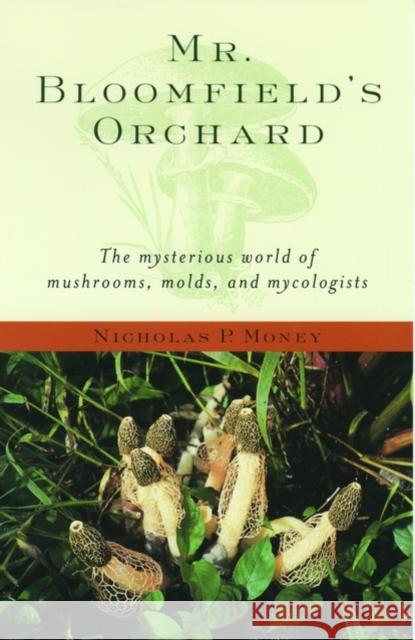
Stinkhorns, puffballs, the "corpse finder," deadly Galerina, Satan's bolete, birch conks, black mold, the old man of the woods--the world of fungi is infinitely varied and not a little weird. Now, in Mr. Bloomfield's Orchard, Nicholas Money introduces readers to a dazzling array of fungi, from brewer's yeast and Penicillium to the highly lethal death cap. We learn of Madurella, which can erode bones until they look moth-eaten; Cordyceps, which wracks insects with convulsions, kills them, then sends a stalk out of the insect's head to release more infectious spores; and Claviceps, the...
Stinkhorns, puffballs, the "corpse finder," deadly Galerina, Satan's bolete, birch conks, black mold, the old man of the woods--the world of fungi is ...
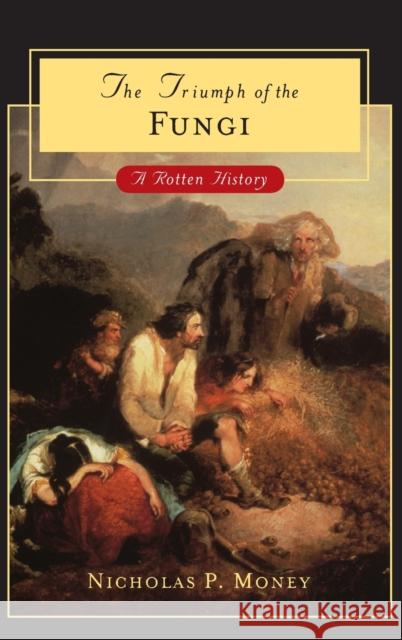
Concerned with the most devastating fungal diseases in history, this book focuses on the biology of the well- and lesser-known diseases, and also tells the stories of the scientists involved in their study, and of the people directly impacted by the loss of forest trees like the chestnut, and cash crops such as coffee and cacao.
Concerned with the most devastating fungal diseases in history, this book focuses on the biology of the well- and lesser-known diseases, and also tell...
A cup of seawater contains 100 million cells, which are preyed upon by billions of viruses. Fifty million tons of fungal spores are released into the atmosphere every year. And the human gut is home to somewhere between 500 and 1,000 species of bacteria. The more we learn about microbial biodiversity, the clearer it becomes that the vast majority of life has long gone unseen, and unobserved. The flowering of microbial science is revolutionizing biology and medicine in ways unimagined only a few years ago, and is inspiring a new view of what it means to be alive. In The Amoeba in the...
A cup of seawater contains 100 million cells, which are preyed upon by billions of viruses. Fifty million tons of fungal spores are released into the ...