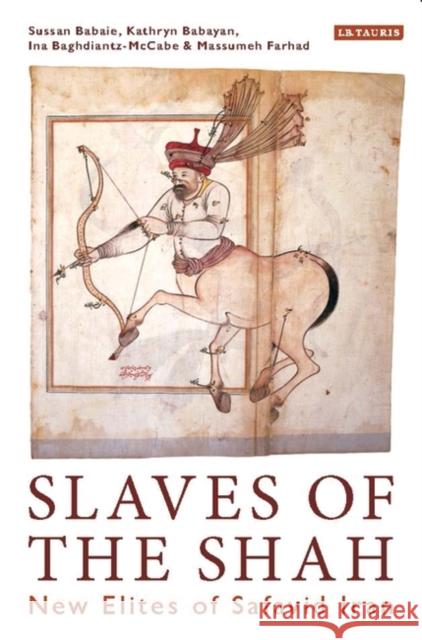
The Safavid dynasty represented the pinnacle of Iran's power and influence in its early modern history. The evidence of this - the creation of a nation state, military expansion and success, economic dynamism, and the exquisite art and architecture of the period - is well-known. What is less understood is the extent to which the Safavid success depended on an elite originating from outside Iran: the slaves of Caucasian descent and the Armenian merchants of Isfahan. This book describes how these elites, following their conversion to Islam, helped to transform Isfahan's urban, artistic and...
The Safavid dynasty represented the pinnacle of Iran's power and influence in its early modern history. The evidence of this - the creation of a natio...
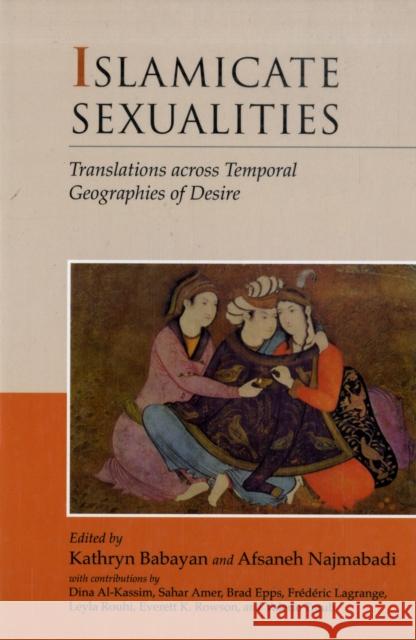
"Islamicate Sexualities: Translations across Temporal Geographies of Desire" explores different genealogies of sexuality and questions some of the theoretical emphases and epistemic assumptions affecting current histories of sexuality. Concerned with the dynamic interplay between cultural constructions of gender and sexuality, the anthology moves across disciplinary fields, integrating literary criticism with social and cultural history, and establishes a dialogue between historians (Kathryn Babayan, Frederic Lagrange, Afsaneh Najmabadi, and Everett Rowson), comparative literary scholars...
"Islamicate Sexualities: Translations across Temporal Geographies of Desire" explores different genealogies of sexuality and questions some of the the...