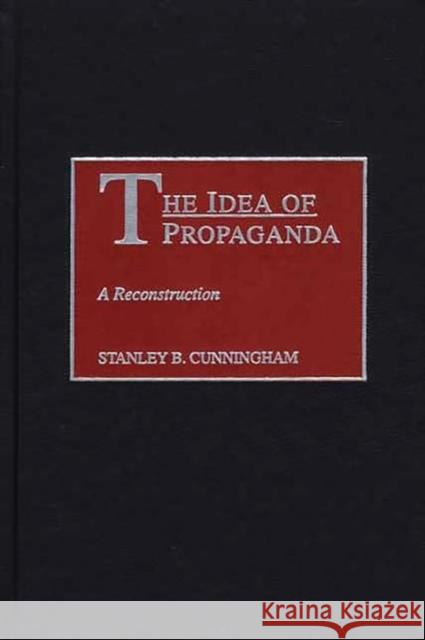
To understand properly the use of propaganda, it is necessary to move beyond the conventional, largely descriptive treatments that have been the scholarly norm, and to move deeply into a sustained theoretical analysis of the concept in terms of its primary cognitive and ethical deficits. Through a sequential consideration of the epistemology, ethics, and metaphysics of propaganda--that is, one that emerges from a historical review of theories and definitions of the subject--author Stanley B. Cunningham provides a radical new window on a much-discussed discipline. He aims to secure a...
To understand properly the use of propaganda, it is necessary to move beyond the conventional, largely descriptive treatments that have been the sc...
This work provides a comprehensive analysis of the moral philosophy of Albert the Great. It also fills in a major lacuna in both the history of medieval philosophy and the wider history of moral theory.
This work provides a comprehensive analysis of the moral philosophy of Albert the Great. It also fills in a major lacuna in both the history of mediev...
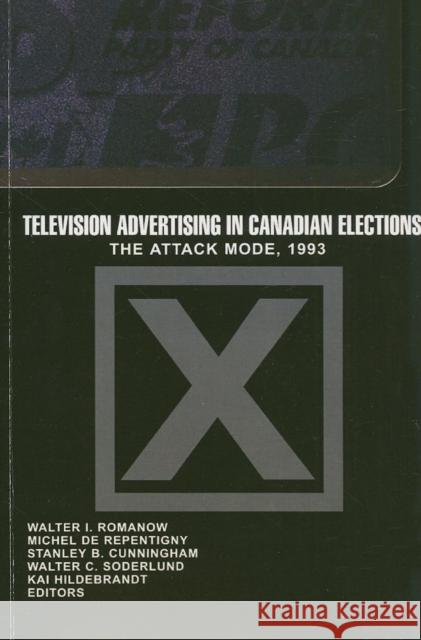
Can the strategy of negative political advertising developed in the United States succeed in Canada, or does this kind of advertising do more harm than good?
The year 1988 saw elections in both the United States and Canada. It also saw a turning point in the tenor of television campaign advertising. By the early 1990s there was a growing reliance upon negative political images and symbols.
This book is about that growing reliance. While focusing on the use of attack ads, "Television Advertising in Canadian Elections" provides a historical overview of the growth of negative...
Can the strategy of negative political advertising developed in the United States succeed in Canada, or does this kind of advertising do more harm...