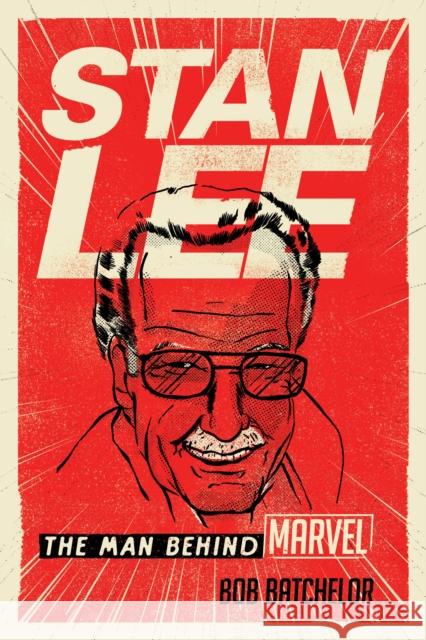
The Amazing Spider-Man. The Incredible Hulk. The Invincible Iron Man. These are just a few of the iconic superheroes to emerge from the mind of Stan Lee. From the mean streets of Depression-era New York City to recipient of the National Medal of Arts, Lee's life has been almost as remarkable as the thrilling adventures he spun for decades. From millions of comic books fans of the 1960s through billions of moviegoers around the globe, Stan Lee has touched more people than almost any person in the history of popular culture. In Stan Lee: The Man behind Marvel, Bob Batchelor offers an...
The Amazing Spider-Man. The Incredible Hulk. The Invincible Iron Man. These are just a few of the iconic superheroes to emerge from the mind of Stan L...
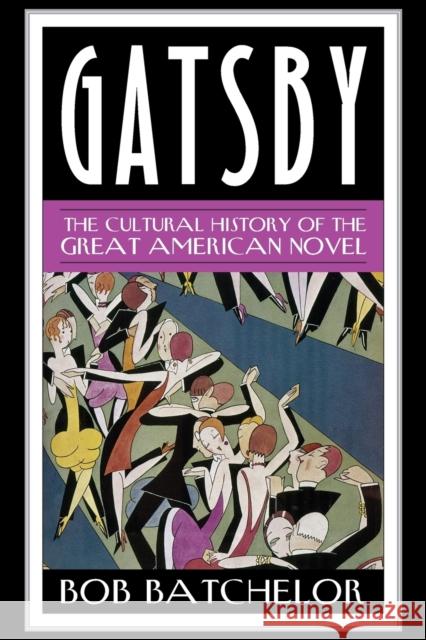
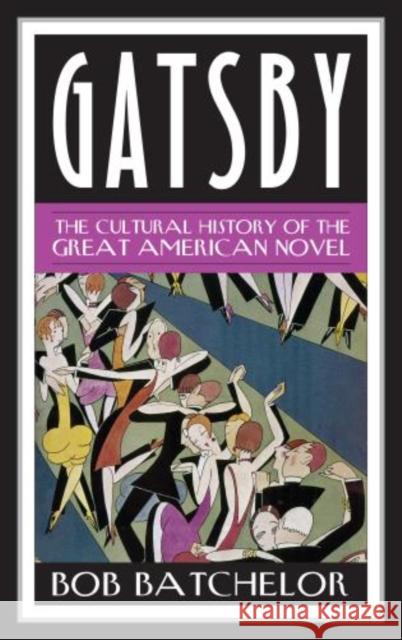
In 1925, F. Scott Fitzgerald produced his third novel, a slim work for which he had high expectations. Despite such hopes, the novel received mixed reviews and lackluster sales. Over the decades, however, the reputation of The Great Gatsby has grown and millions of copies have been sold. One of the bestselling novels of all time, it is also considered one of the most significant achievements in twentieth-century fiction. But what makes Gatsby great? Why do we still care about this book more than eighty-five years after it was published? And how does Gatsby help us make sense of our own lives...
In 1925, F. Scott Fitzgerald produced his third novel, a slim work for which he had high expectations. Despite such hopes, the novel received mixed re...
Despite the growing importance of heroines across literary culture--and sales figures that demonstrate both young adult and adult females are reading about heroines in droves, particularly in graphic novels, comic books, and YA literature--few scholarly collections have examined the complex relationships between the representations of heroines and the changing societal roles for both women and men. In Heroines of Comic Books and Literature: Portrayals in Popular Culture, editors Maja Bajac-Carter, Norma Jones, and Bob Batchelor have selected essays by award-winning contributors that offer a...
Despite the growing importance of heroines across literary culture--and sales figures that demonstrate both young adult and adult females are reading ...
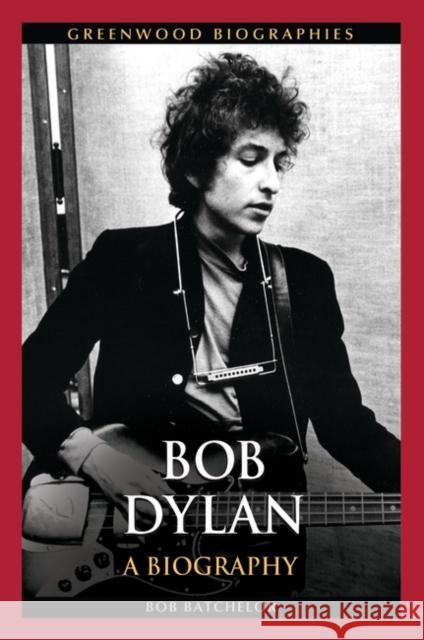
In this thematically organized biography, cultural historian and prolific biographer Bob Batchelor examines one of the most important yet elusive figures in modern history. Rather than taking an exhaustive and cumbersome chronological approach to Bob Dylan's 50-plus year career, the author focuses on the most significant aspects of his life and accomplishments.
This work examines the musician's life and career by placing him in the context of contemporary American history and culture. Dylan's music and lyrics are at the center of the analysis, while attention is also paid to...
In this thematically organized biography, cultural historian and prolific biographer Bob Batchelor examines one of the most important yet elusive f...
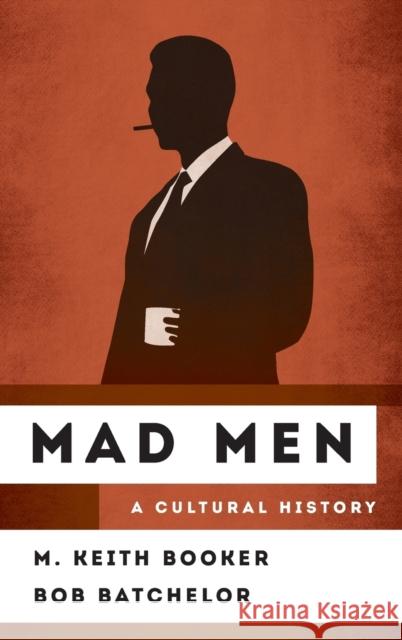
From the opening credits that feature a silhouette falling among skyscrapers, Mad Men transcended its role as a series about the Madison Avenue advertising industry to become a modern classic. For seven seasons, Mad Men asked viewers to contemplate the 1960s anew, reassessing the tumultuous era s stance on women s rights, race, war, politics, and family relationships that comprise the American Dream. Set in the heart of the twentieth century, the show brought to light how deeply we still are connected to that age. The result is a show that continually asks us to rethink our own families,...
From the opening credits that feature a silhouette falling among skyscrapers, Mad Men transcended its role as a series about the Madison Avenue advert...
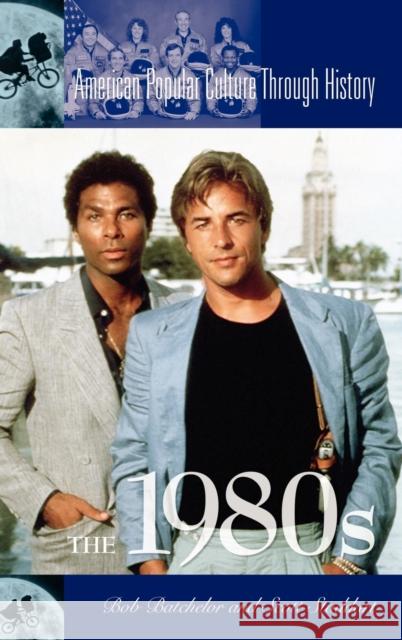
The eighties are seen by many as a time of excess and extremes. From Boy George to Madonna, metal heads to valley girls, and workout clothes to shoulder pads, many pushed the boundaries of what was was conventional. After a decade of war, disillusionment of the government, advances in civil rights, and disco, Americans became status seekers and shopaholics and the Me generation was born. Twelve narrative chapters describe the decade of decedence and its impact on popular culture including: the AIDS epidemic, preppies, Miami Vice, the Rubik's Cube, E.T., hair bands, the advent of the...
The eighties are seen by many as a time of excess and extremes. From Boy George to Madonna, metal heads to valley girls, and workout clothes to sho...
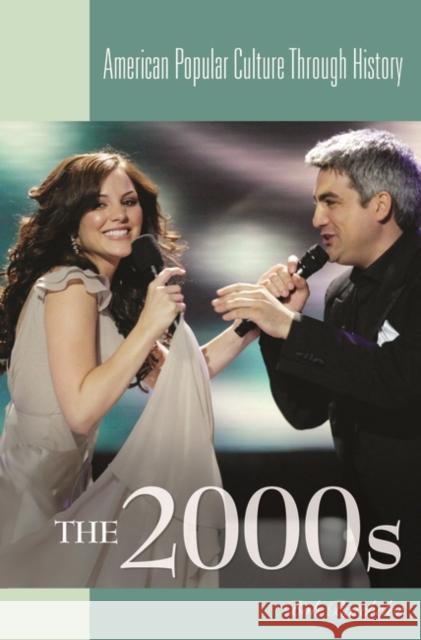
Welcome to Pop Culture 2.0. In the 2000s, Generation eXposure, emerged from the marriage of new technology and the nation's obsession with celebrity. Social media technology, such as MySpace, YouTube, Facebook, and countless blogs, gave everyman a voice and a public persona that they could share with friends across the street or around the world. Suddenly, it was not enough to imitate Britney Spears or Paris Hilton, technology gave everyone a platform to launch their own 15 minutes of fame. The fixation on self and celebrity acted as a diversion from more serious challenges the nation...
Welcome to Pop Culture 2.0. In the 2000s, Generation eXposure, emerged from the marriage of new technology and the nation's obsession with celebrit...
Widely considered "America's Man of Letters," John Updike is a prolific novelist and critic with an unprecedented range of work across more than 50 years. No author has ever written from the variety of vantages or spanned topics like Updike did. Despite being widely recognized as one of the nation's literary greats, scholars have largely ignored Updike's vast catalog of work outside the Rabbit tetralogy. This work provides the first detailed examination of Updike's body of criticism, poetry, and journalism, and shows how that work played a central role in transforming his novels. The book...
Widely considered "America's Man of Letters," John Updike is a prolific novelist and critic with an unprecedented range of work across more than 50...
In 1925, F. Scott Fitzgerald produced his third novel, a slim work for which he had high expectations. Despite such hopes, the novel received mixed reviews and lackluster sales. Over the decades, however, the reputation of The Great Gatsby has grown and millions of copies have been sold. One of the bestselling novels of all time, it is also considered one of the most significant achievements in twentieth-century fiction. But what makes Gatsby great? Why do we still care about this book more than eighty-five years after it was published? And how does Gatsby help us make sense of our own lives...
In 1925, F. Scott Fitzgerald produced his third novel, a slim work for which he had high expectations. Despite such hopes, the novel received mixed re...
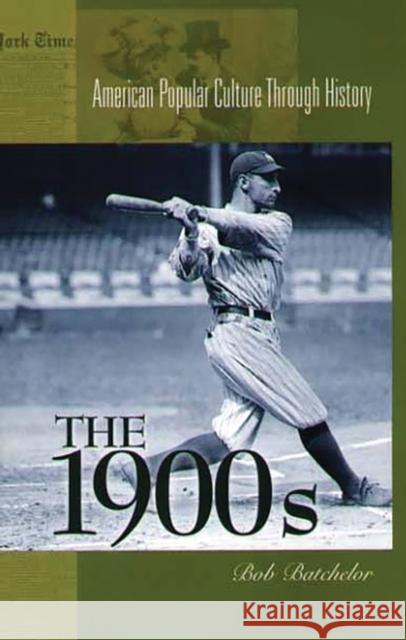
the so-called quiet decade of 1900-1910 was anything but quiet. Spurred by the energy and progressive attitude of President Theodore Roosevelt and millions of immigrants flooding into our cities, American life saw tremendous cultural and technological change. A healthy economy gave workers more spending money and leisure time to enjoy hobbies, travel, and pastimes, including a new and revolutionary entertainment-the movies.
Providing an exciting picture of American life at the dawn of the 20th century, this volume covers:
- Innovations in technology, such as the...
the so-called quiet decade of 1900-1910 was anything but quiet. Spurred by the energy and progressive attitude of President Theodore Roosevelt and ...