Images from the ancient Near East are an important though generally underutilized source of data for interpreting the Hebrew Bible and the cultural context from which it emerged. The essays in this volume highlight the ways that ancient Near Eastern iconography can inform exegesis. This aim is accomplished through case studies in iconographic exegesis that exhibit sound methodologies for relating images and texts.
Since the 1970s, biblical scholars have been turning increasingly to iconography as a source for understanding the religion, history and literature of the ancient Near...
Images from the ancient Near East are an important though generally underutilized source of data for interpreting the Hebrew Bible and the cultural...
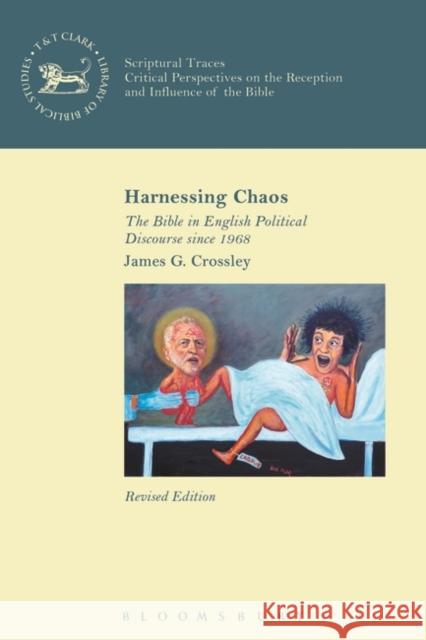
Harnessing Chaos: The Bible in English Political Discourse Since 1968 (2014) looked at the shifts in political understandings of the Bible in the aftermath of the social and economic changes of the 1960s. The book examined the decline of the Radical bible (i.e. the Bible roughly equated with socialism) in parliamentary politics and the victory of (a modified form of) Thatcher's re-reading of the Liberal Bible tradition, which equated the Bible with rule of law, democracy and tolerance. This showed how Thatcher's Bible was developed by politicians and the significance of Tony Blair's...
Harnessing Chaos: The Bible in English Political Discourse Since 1968 (2014) looked at the shifts in political understandings of the Bible in the a...
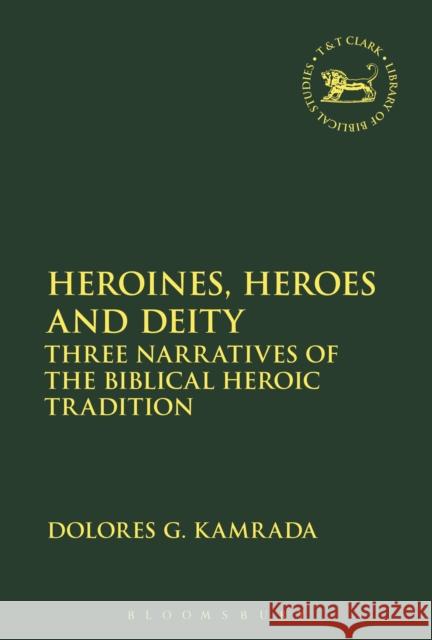
Kamrada's study analyses three narratives concerning the greatest heroic figures of the biblical tradition: Jephthah's daughter, Samson and Saul, and includes a consideration of texts about King David. All three characters are portrayed as the greatest and most typical and exemplary heroes of the heroic era. All three heroes have an exceptionally close relationship with the deity all die a traditionally heroic, tragic death. Kamrada argues that within the Book of Judges and the biblical heroic tradition, Jephthah's daughter and Samson represent the pinnacle of female and male heroism...
Kamrada's study analyses three narratives concerning the greatest heroic figures of the biblical tradition: Jephthah's daughter, Samson and Saul, and ...
Benjamin is portrayed in Chronicles differently from how he is portrayed in the Deuteronomic History. In the latter, Benjamin's relation to Judah is shown as varied and complex, incorporating both highs and lows. The Chronicler, by contrast, smooths over these difficulties by emphasizing the historically close relationship between the two tribes.
Benjamin D. Giffone sees in this evidence that the Judah-Benjamin relationship reflects the socio-political situation of late Persian Yehud, in which the relatively poor Jerusalem cult struggled to maintain material support from landed...
Benjamin is portrayed in Chronicles differently from how he is portrayed in the Deuteronomic History. In the latter, Benjamin's relation to Judah i...
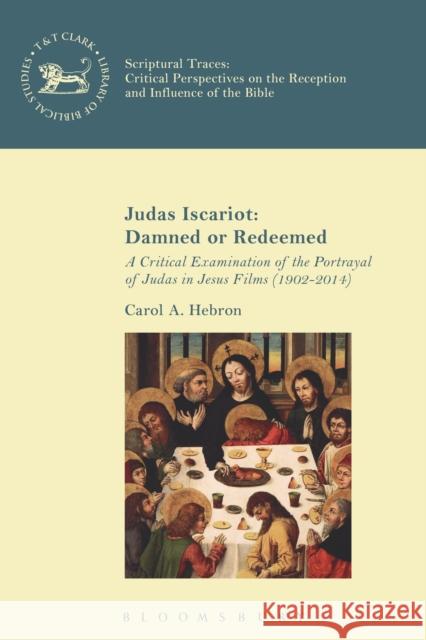
At the beginning of the 20th century, Judas was characterised in film as the epitome of evil: the villainous Jew. Film-makers cast Judas in this way because this was the Judas that audiences had come to recognize and even expect. But in the following three decades, film-makers - as a result of critical biblical study - were more circumspect about accepting the alleged historicity of the Gospel accounts. Carol A. Hebron examines the figure of Judas across film history to show how the portrayal becomes more nuanced and more significant, even to the point where Judas becomes the protagonist...
At the beginning of the 20th century, Judas was characterised in film as the epitome of evil: the villainous Jew. Film-makers cast Judas in this wa...
In the first half of the 20th century there was immense scholarly interest in the biography of the prophet Jeremiah as the background for understanding the development of the book of Jeremiah. Around the turn of the century this interest disappeared, but it has now resurfaced in a transformed configuration as work seeking to analyze the creation of the literary persona, Jeremiah the prophet.
This volume examines the construction of Jeremiah in the prophetic book and its afterlife, presenting a wide range of scholarly approaches spanning the understanding of Jeremiah from Old...
In the first half of the 20th century there was immense scholarly interest in the biography of the prophet Jeremiah as the background for understan...
Guided by the metaphor of the art form known as a mosaic, this book advocates a pluralistic approach to biblical studies. Rees argues that the text itself can be described as a 'mosaic', with each new reading adding to the mosaic. Interpretation is therefore both observation and invention, or contribution.When re]reading the text, one cannot but be aware of what has been seen before, even if it at first may seem unfamiliar. He thus rejects the idea of a definitive reading.
Examining Numbers 25, Rees argues that the various methods employed to interpret this text (narrative,...
Guided by the metaphor of the art form known as a mosaic, this book advocates a pluralistic approach to biblical studies. Rees argues that the text...
In part one of this book Joshua L. Harper is able to demonstrate the following aspects of the Barberini version: when compared with the other Greek versions, it appears that the Barberini version was originally independent of the Septuagint but has been influenced by it in transmission. The Barberini version was probably translated no earlier than the later books of the Septuagint (that is, around the first century BC), and no later than the mid-third century AD. The style, methods of translation, and exegetical affinities suggest that the translator was primarily concerned with producing...
In part one of this book Joshua L. Harper is able to demonstrate the following aspects of the Barberini version: when compared with the other Greek...
This book contributes to the theory and practice of Biblical interpretation by engaging in an interpretation of Psalm 24 inspired by a particular understanding of Brevard Childs' "canonical approach" an understanding centred on the concept of "theological substance."
Sumpter shows how the literary, historical, and theological dimensions of Psalm 24 cohere into a single vision by reading the text according to the previously discussed dialectic. An initial "synchronic" analysis of the psalm's poetic structure related to a "diachronic" reconstruction of the tradition history that lead...
This book contributes to the theory and practice of Biblical interpretation by engaging in an interpretation of Psalm 24 inspired by a particular u...
April Westbrook explores the intentional inclusion of woman stories (those displaying significant female presence) within the David narrative in the books of Samuel. These stories are made prominent by the surprisingly high number of their occurrences as well as the sequentially progressive literary pattern in which they occur in the larger narrative. Westbrook shows that the dramatic and detailed accounts within the story repeatedly challenge the reader to consider the experiences of women and their contribution to the purpose of the larger narrative. When viewed collectively, these woman...
April Westbrook explores the intentional inclusion of woman stories (those displaying significant female presence) within the David narrative in th...






![[Re]reading Again: A Mosaic Reading of Numbers 25 Rees, Anthony 9780567671813 T & T Clark International](/9780567671813_re_reading_again_a_mosaic_reading_of_numbers_25.jpg "[Re]reading Again: A Mosaic Reading of Numbers 25")