Maimonides and the Hermeneutics of Concealment demonstrates the type of hermeneutic that the medieval Jewish philosopher Moses Maimonides (1138-1204) engaged in throughout his treatise, The Guide of the Perplexed. By comprehensively analyzing Maimonides' use of rabbinic and scriptural sources, James Arthur Diamond argues that, far from being merely prooftexts, they are in fact essential components of Maimonides' esoteric stratagem. Diamond's close reading of biblical and rabbinic citations in the Guide not only penetrates its multilayered structure to arrive at its core meaning, but also...
Maimonides and the Hermeneutics of Concealment demonstrates the type of hermeneutic that the medieval Jewish philosopher Moses Maimonides (1138-1204) ...
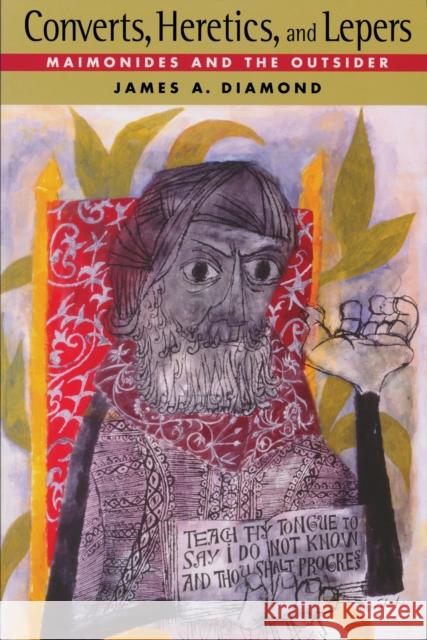
James Diamond's new book consists of a series of studies addressing Moses Maimonides' (1138 1204) appropriation of marginal figures lepers, converts, heretics, and others normally considered on the fringes of society and religion. Each chapter focuses on a type or character that, in Maimonides' hands, becomes a metaphor for a larger, more substantive theological and philosophical issue. Diamond offers a close reading of key texts, such as the "Guide of the Perplexed" and the "Mishneh Torah, "demonstrating the importance of integrating Maimonides' legal and philosophical writings."Converts,...
James Diamond's new book consists of a series of studies addressing Moses Maimonides' (1138 1204) appropriation of marginal figures lepers, convert...