In The Tribute of Blood Peter M. Beattie analyzes the transformation of army recruitment and service in Brazil between 1864 and 1945, using this history of common soldiers to examine nation building and the social history of Latin America s largest nation. Tracing the army s reliance on coercive recruitment to fill its lower ranks, Beattie shows how enlisted service became associated with criminality, perversion, and dishonor, as nineteenth- and early-twentieth-century Brazilian officials rounded up the dishonorable poor including petty criminals, vagrants, and sodomites and forced...
In The Tribute of Blood Peter M. Beattie analyzes the transformation of army recruitment and service in Brazil between 1864 and 1945, using thi...
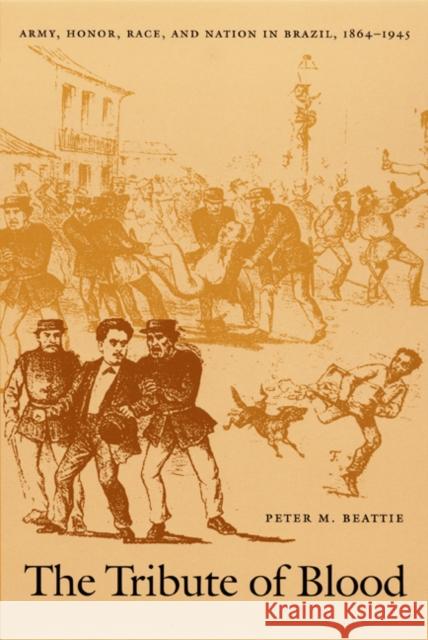
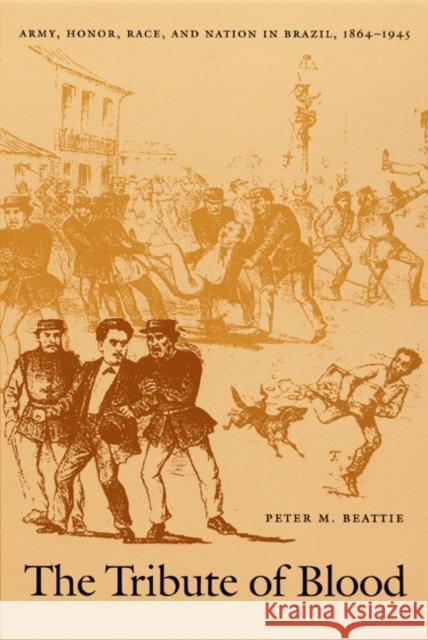
In The Tribute of Blood Peter M. Beattie analyzes the transformation of army recruitment and service in Brazil between 1864 and 1945, using this history of common soldiers to examine nation building and the social history of Latin America s largest nation. Tracing the army s reliance on coercive recruitment to fill its lower ranks, Beattie shows how enlisted service became associated with criminality, perversion, and dishonor, as nineteenth- and early-twentieth-century Brazilian officials rounded up the dishonorable poor including petty criminals, vagrants, and sodomites and forced...
In The Tribute of Blood Peter M. Beattie analyzes the transformation of army recruitment and service in Brazil between 1864 and 1945, using thi...
The Human Tradition in Modern Brazil makes the last two centuries of Brazilian history come alive through the stories of mostly non-elite individuals. The pieces in this lively collection address how people experienced historical continuities and changes by exploring how they related to the rise of Brazilian national identity and the emergence of a national state. By including a broad array of historical actors from different regions, ethnicities, occupations, races, genders, and eras, The Human Tradition in Modern Brazil brings a human dimension to major economic, political, cultural, and...
The Human Tradition in Modern Brazil makes the last two centuries of Brazilian history come alive through the stories of mostly non-elite individuals....
Throughout the nineteenth century the idyllic island of Fernando de Noronha, which lies two hundred miles off Brazil's northeastern coast, was home to Brazil's largest forced labor penal colony. In Punishment in Paradise Peter M. Beattie uses Noronha as a case study to understand nineteenth-century Brazil's varied social and cultural values, especially in relation to justice, class, color, civil condition, human rights and labor. As Brazil's slave population declined after 1850, the use of colonial-era disciplinary practices at Noronha--such as flogging and forced labor--stoked...
Throughout the nineteenth century the idyllic island of Fernando de Noronha, which lies two hundred miles off Brazil's northeastern coast, was home to...
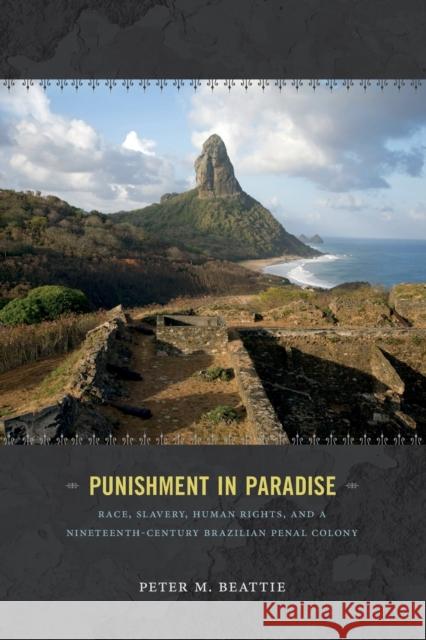
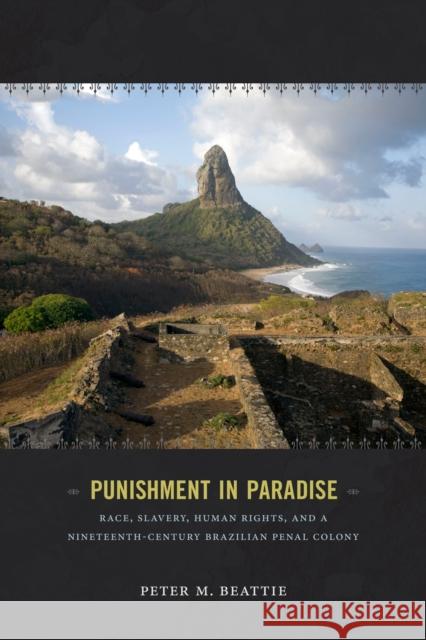
Throughout the nineteenth century the idyllic island of Fernando de Noronha, which lies two hundred miles off Brazil's northeastern coast, was home to Brazil's largest forced labor penal colony. In Punishment in Paradise Peter M. Beattie uses Noronha as a case study to understand nineteenth-century Brazil's varied social and cultural values, especially in relation to justice, class, color, civil condition, human rights and labor. As Brazil's slave population declined after 1850, the use of colonial-era disciplinary practices at Noronha--such as flogging and forced labor--stoked...
Throughout the nineteenth century the idyllic island of Fernando de Noronha, which lies two hundred miles off Brazil's northeastern coast, was home to...