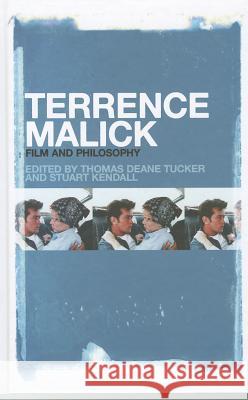
Terrence Malick's four feature films have been celebrated by critics and adored as instant classics among film aficionados, but the body of critical literature devoted to them has remained surprisingly small in comparison to Malick's stature in the world of contemporary film.
Each of the essays in Terrence Malick: Film and Philosophy is grounded in film studies, philosophical inquiry, and the emerging field of scholarship that combines the two disciplines. Malick's films are also open to other angles, notably phenomenological, deconstructive, and Deleuzian approaches to film, all of...
Terrence Malick's four feature films have been celebrated by critics and adored as instant classics among film aficionados, but the body of critica...
The Ends of Art and Design" proposes a new way to think about the relationship between design and culture as well as new roles for design education within the Humanities and for the Humanities within design education. 108 pp.
The Ends of Art and Design" proposes a new way to think about the relationship between design and culture as well as new roles for design education wi...
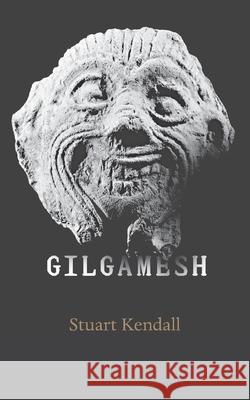
Composed over 2,500 years, lost in the deserts of Iraq for 2,000 more, Gilgamesh presents a palimpsest of ancient Middle Eastern cultic and courtly lyrics and lore. The story of a visionary journey beyond the limits of human experience, Gilgamesh is a tale of friendship, adventure, mortality, and loss. The legends it collects ultimately informed Greek and Egyptian myths, Hebrew Scriptures, and Islamic literature. Scholarly translations of Gilgamesh often dilute the expressive force of the material through overzealous erudition. Popular versions of the poem frequently gloss over gaps in the...
Composed over 2,500 years, lost in the deserts of Iraq for 2,000 more, Gilgamesh presents a palimpsest of ancient Middle Eastern cultic and courtly ly...
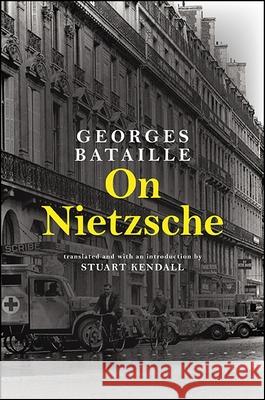
Georges Bataille wrote On Nietzsche in the final months of the Nazi occupation of France in order to cleanse the German philosopher of the "stain of Nazism." More than merely a treatise on Nietzsche, the book is as much a work of ethics in which thought is put to the test of experience and experience pushed to its limits. At once personal and political, it was written as an act of war, its publication contingent upon the German retreat. The result is a poetic and philosophical--and occasionally harrowing--record of life during wartime. Following Inner Experience and...
Georges Bataille wrote On Nietzsche in the final months of the Nazi occupation of France in order to cleanse the German philosopher of the "sta...
Terrence Malick's four feature films have been celebrated by critics and adored as instant classics among film aficionados, but the body of critical literature devoted to them has remained surprisingly small in comparison to Malick's stature in the world of contemporary film.
Each of the essays in Terrence Malick: Film and Philosophy is grounded in film studies, philosophical inquiry, and the emerging field of scholarship that combines the two disciplines. Malick's films are also open to other angles, notably phenomenological, deconstructive, and Deleuzian approaches to film, all of...
Terrence Malick's four feature films have been celebrated by critics and adored as instant classics among film aficionados, but the body of critica...
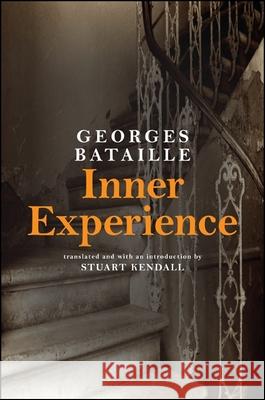
Originally published in 1943, Inner Experience is the single most significant work by one of the twentieth century's most influential writers. It outlines a mystical theology and experience of the sacred founded on the absence of god. Bataille calls Inner Experience a "narrative of despair," but also describes it as a book wherein "profundity and passion go tenderly hand in hand." Herein, he says, "The mind moves in a strange world where anguish and ecstasy take shape." Bataille's search for experience begins where religion, philosophy, science, and literature leave off,...
Originally published in 1943, Inner Experience is the single most significant work by one of the twentieth century's most influential writers. ...
Originally published in Algiers in 1943, Joseph Kessel's Army of Shadows is one of the first books to have been written about the French Resistance. Now available in paperback, Contra Mundum Press is proud to present the first new translation in over 70 years, and the first edition since Jean-Pierre Melville's iconic 1969 film.
"What, then, when it comes to recounting the story of France, an obscure, secret France, which is new to its friends, its enemies, and new especially to itself? France no longer has bread, wine, fire. But mainly it no longer has any laws....
Originally published in Algiers in 1943, Joseph Kessel's Army of Shadows is one of the first books to have been written about the French R...