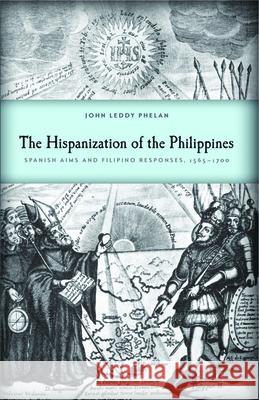
After conquest of the Philippine archipelago in the late sixteenth century, Spanish colonizers launched a sweeping social program designed to bring about dramatic religious, political, and economic changes. But the limitations of Spanish colonial resources, together with the reactions of Filipinos themselves, combined to shape the outcome of that effort in unique and unexpected ways, argues John Leddy Phelan. With no wealth in the islands to attract conquistadores, conquest was accomplished largely by missionaries scattered among isolated native villages. Native chieftains served as...
After conquest of the Philippine archipelago in the late sixteenth century, Spanish colonizers launched a sweeping social program designed to bring ab...
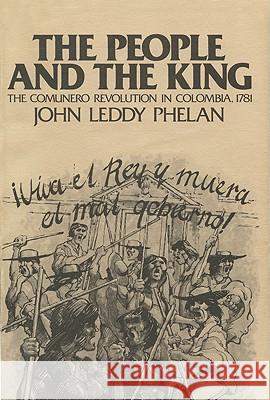
In The People and the King, John Leddy Phelan reexamines a well-known but long misunderstood event in eighteenth-century Colombia. When the Spanish colonial bureaucratic system of conciliation broke down, indigenous groups resorted to armed revolt to achieve their political ends. As Phelan demonstrates in these pages, the crisis of 1781 represented a constitutional clash between imperial centralization and colonial decentralization. Phelan argues that the Comunero revolution was not, as it has often been portrayed, a precursor of political independence, nor was it a frustrated...
In The People and the King, John Leddy Phelan reexamines a well-known but long misunderstood event in eighteenth-century Colombia. When the ...