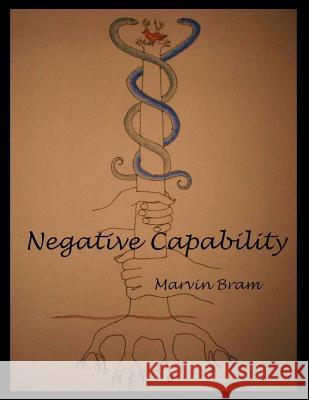
The term "negative capability" was coined early in the nineteenth century by John Keats to describe a state of mind. To be in the state of negative capability is to "become" other persons, other entities of many kinds, and to live inside those others, in so doing enlarging one's own consciousness. It is preeminently the state in which poetry is possible. NEGATIVE CAPABILITY begins with a play, "Keats at Thirty." John Keats died at twenty-five without beginning his life as Shakespeare's true successor and without the love of a woman worthy of him. "Keats at Thirty" gives him his first great...
The term "negative capability" was coined early in the nineteenth century by John Keats to describe a state of mind. To be in the state of negative ca...
POLYSEMY introduces a poetry that stands to traditional unilinear poetry as a Bach fugue stands to a simple melody. In the case of a Bach fugue, more music than is notated in its score is experienced by the listener; in the case of this new poetic form, more meaning than is contained in its written words is experienced by the reader.
POLYSEMY introduces a poetry that stands to traditional unilinear poetry as a Bach fugue stands to a simple melody. In the case of a Bach fugue, more ...
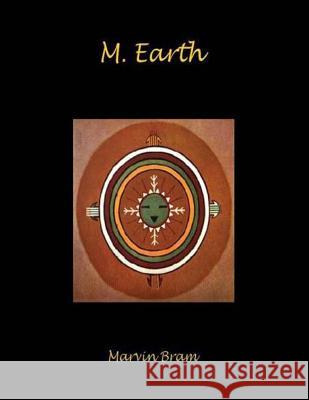
Most of us have a conception of "civilization." It usually includes hierarchical political and economic institutions and cultural activities like writing and reading books. We have a hazier conception of "precivilization," of the world before hierarchical states, corporations, and books. Our picture of human beings before the advent of civilization often shows them to live diminished lives. Finally, we tend not to think very much about the relationship between our five thousand years of civilization and the at-least thirty thousand years of precivilization. M. Earth takes up the two great...
Most of us have a conception of "civilization." It usually includes hierarchical political and economic institutions and cultural activities like writ...