The enslaved population of Clifton Plantation was an early 19th-century cultural melange including native Africans, island-born Creoles, and African-American slaves brought by the owners from the American South as part of the Loyalist resettlement.This study of the multi-ethnic African community explores the diverse ways that members of this single plantation community navigated the circumstances of enslavement and negotiated the construction of New World identities within their families and with their neighbors. Focusing on the household and community levels of social integration at Clifton...
The enslaved population of Clifton Plantation was an early 19th-century cultural melange including native Africans, island-born Creoles, and African-A...
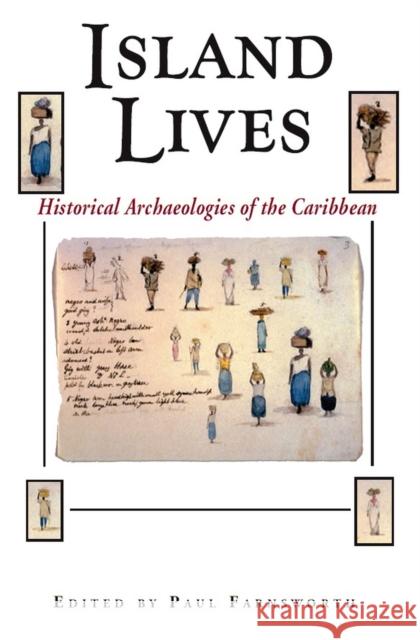
This comprehensive study of the historical archaeology of the Caribbean provides sociopolitical context for the ongoing development of national identities.
Long before the founding of Jamestown in 1607, there were Spanish forts, bustling towns, sugar plantations, and sea trade flourishing in the Caribbean. While richer nations, particularly the United States, may view the Caribbean today as merely a place for sun and fun, the island colonies were at one time far more important and lucrative to their European empire countries than their North American counterparts. From the...
This comprehensive study of the historical archaeology of the Caribbean provides sociopolitical context for the ongoing development of national ...